




The Long, Lonely Walk
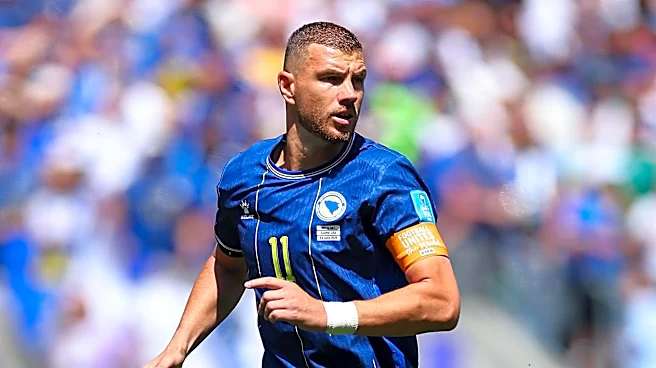
It starts the moment the referee points to the spot. While one team celebrates, one player detaches from the chaos. Their walk from midfield to the penalty spot is a public display of isolation. Watch their pace. Are they walking briskly, exuding confidence?
Or are they taking their time, maybe too much time, allowing the pressure to build? Research shows that players who rush their routine after the whistle blows can have a significantly lower success rate. This walk is a mental battle before the physical one even begins, with the weight of millions of fans on their shoulders.
Placing the Ball, Setting the Stage
The simple act of placing the ball on the penalty spot is a revealing moment. Does the player meticulously place it, maybe give it a little spin to find the perfect lie? This can be a calming ritual, a way to control the environment. Or do they just drop it and back away? Notice the goalkeeper during this time. They're not just a spectator. Many will try to delay the kick by cleaning their boots, getting a drink of water, or having a word with the referee—anything to get inside the kicker's head and disrupt their rhythm. It's all part of the psychological warfare.
The Kicker’s Mind Games
As the kicker steps back, the real mind games begin. Where do they look? Many coaches advise kickers not to look at the goalkeeper, as it can increase anxiety. Instead, they should focus on their target. But some elite players use their eyes as a weapon, glancing at one corner to sell a fake to the keeper. The run-up itself is a signature. Some players, like Italy's Jorginho, use a distinctive hop or stutter-step, designed to force the keeper to commit to a dive early. Others prefer a straightforward, powerful approach, prioritizing speed over deception. Each style tells you something about the player's strategy: power, placement, or pure trickery.
The Goalkeeper’s Dance
The goalkeeper isn't a passive participant; they're an active disruptor. The odds are against them—roughly 70-85% of penalties are scored—so they have to use every tool at their disposal. Watch them on the line. Do they dance back and forth, making themselves appear larger? Do they stand slightly off-center, trying to bait the kicker into shooting at the more open side? According to the rules, the keeper must have at least part of one foot on or in line with the goal line when the ball is kicked, but they can move laterally all they want. Their pre-shot movements are a calculated attempt to plant a seed of doubt in the kicker's mind.
Power vs. Placement
Finally, the kick itself. This is the culmination of all the preceding drama. In the split second of the strike, the player makes a final choice: power or placement. A powerful shot is harder for the keeper to react to, but it can be less accurate. A placed shot, aimed for the corners, is harder to save but carries a higher risk of missing the goal entirely if mis-hit. The highest percentage shots, statistically, are aimed high into the goal, as they are nearly impossible for a diving keeper to reach. However, this also carries the highest risk of sending the ball over the crossbar. It's the ultimate risk-reward calculation played out in a fraction of a second.