



A Global Party in America's Backyard
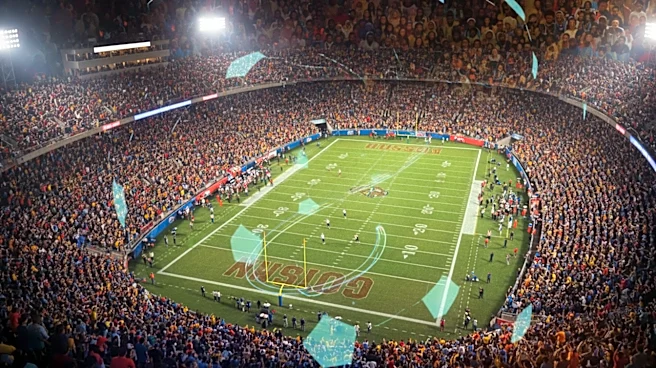
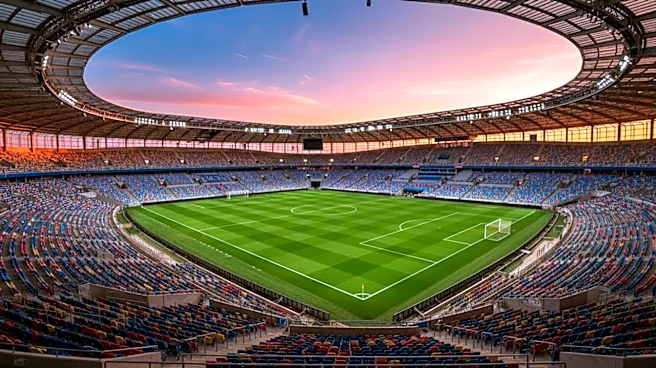
For many Americans, past World Cups were distant television events. This summer is different. With matches in 11 U.S. cities, the tournament has transformed from something you watch to something you experience. Streets in places like Seattle and Los Angeles
have become international festivals, with free fan zones, watch parties, and cultural events making the global spectacle feel local. It’s one thing to see passionate fans from around the world on TV; it’s another to stand next to them, sharing in the universal drama of a 90-minute match. Unlike in 1994, when the U.S. was cautiously introducing itself to soccer, the 2026 tournament is amplifying a passion that already exists, turning cities into vibrant, multicultural hubs of excitement.
A U.S. Team That Was Easy to Love
Every great sports story needs a protagonist, and this USMNT’s “golden generation” played the part perfectly. Featuring established European stars like Christian Pulisic, Weston McKennie, and Tyler Adams, this squad entered the tournament with immense pressure to perform on home soil. And for weeks, they delivered, playing with a flair and confidence that captured the nation's imagination. Their journey through the group stage and into the knockouts provided a compelling narrative that was easy for even the most casual observer to get behind. While their run may have ended sooner than fans hoped, they provided a series of unforgettable moments that made millions of Americans believe. For the first time in a generation, the men's national team became a unifying force, their games appointment viewing from coast to coast.
More Teams, More Drama, More Fun
This World Cup was the largest in history, expanding from 32 to 48 teams. While some purists worried this would dilute the quality, the opposite happened for the casual viewer. The new format, featuring 12 groups of four and a new Round of 32, created more high-stakes knockout games and more opportunities for underdog stories. With the top two teams from each group and the eight best third-place teams advancing, the group stage remained dramatic until the final whistle. This structure gave more nations a chance to shine and produced the kind of unpredictable, heart-stopping moments that turn casual viewers into lifelong fans. More matches, more teams, and more single-elimination drama made the tournament feel bigger and more exciting than ever.
A Tipping Point for American Soccer Culture
This tournament feels like a cultural tipping point, accelerating momentum that has been building for years. The U.S. is no longer a soccer backwater; it’s a mature market with strong domestic leagues and a generation of fans who grew up with the sport. The 2026 World Cup has served as a massive catalyst, pouring fuel on an already-burning fire. Brands have invested heavily in creative fan experiences, from massive watch parties to interactive events, bringing the game to life far beyond the stadium. The estimated $5 billion in economic activity is just one part of the story; the deeper impact is in the grassroots inspiration and the solidification of soccer’s place in the mainstream American consciousness.