




The Restaurant as an Anchor in Time
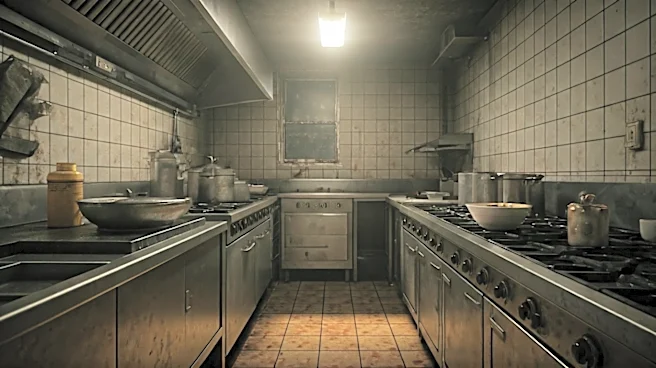
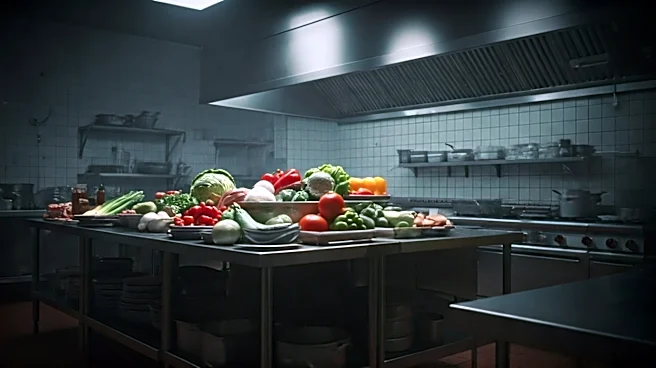
At the heart of the show is The Original Beef of Chicagoland, a struggling Italian beef joint in the River North neighborhood. This fictional restaurant, inspired by the real-life Mr. Beef on Orleans, is the story’s anchor. For creator Christopher Storer,
who grew up in Chicago and was friends with the owner's son, that specific location felt 'lost in time.' This quality is precisely what makes it the perfect foundation for a memory palace. The restaurant isn't just a business; it's a vessel for the Berzatto family's history. Every grease stain on the wall and faded photo holds a story. When Carmy (Jeremy Allen White) returns home following his brother Michael’s suicide, he isn't just inheriting a failing business; he's stepping into a maze of memories, a physical space saturated with the love and trauma of his past. The restaurant becomes a tangible link to his brother and the working-class ethos that defined his family for generations.
A City Map of Grief and Ambition
The show rarely stays confined to the kitchen. Characters constantly move through the city, and their journeys mirror their internal states. When Sydney (Ayo Edebiri) embarks on a culinary tour to build a new menu, she travels through neighborhoods like Pilsen, Ukrainian Village, and Logan Square, gathering inspiration from real Chicago institutions like Kasama, Pequod's Pizza, and Margie's Candies. This isn't just a foodie montage; it's a pilgrimage through the city's diverse cultural and economic landscape. These locations represent a map of possibilities, contrasting the old, memory-laden world of The Beef with the potential for a new future. For Richie (Ebon Moss-Bachrach), his anxiety about the city's gentrification reflects his own fear of being left behind. The city's changing face—old-school taverns giving way to sleek cafes—becomes a powerful metaphor for the characters' struggle to find their place between tradition and reinvention.
The Architecture of a Restless Mind
Beyond the restaurants and neighborhoods, the show’s visual language is steeped in Chicago’s unique architectural identity. Sweeping shots of the L train, the iconic skyline, and the gritty beauty of its bridges and alleyways create a distinct sense of place. The series often frames its characters against these urban landscapes, making them feel both small and part of something vast. One episode even sees Carmy take a pilgrimage to Frank Lloyd Wright’s historic home and studio in Oak Park, finding a moment of peace by immersing himself in the intentionality and design of a master. This is the memory palace at its most literal: a place where the structure and history of a building provide a framework for understanding one's own chaotic mind. The city's architecture, from grand landmarks to humble two-flats, serves as the physical structure holding the characters' collective consciousness.
Sounds of a Shared History
A city’s memory isn’t just visual; it’s auditory. The show’s soundtrack is a meticulously curated love letter to Chicago's music scene, featuring local legends like Wilco and Sufjan Stevens. These musical cues aren't just background noise; they are emotional signifiers that root the story in a specific cultural moment and place. The inclusion of the Chicago Bears' fight song, 'Bear Down, Chicago Bears,' reinforces themes of resilience and local pride. The clang of the L train, the sizzle of beef on the flattop, and the cacophony of street traffic all blend into a symphony that is unmistakably Chicago. This soundscape works in tandem with the visuals to trigger associations and memories, for both the characters and for viewers familiar with the city's rhythms. It’s another layer of the memory palace, one that bypasses thought and goes straight for the heart.