



The Battle Against the Algorithm
Streaming services like Netflix, Amazon, and Apple TV+ operate on a colossal scale, releasing a torrent of content directly to millions of homes. While this model offers unprecedented access, it creates a unique marketing problem: the paradox of choice.
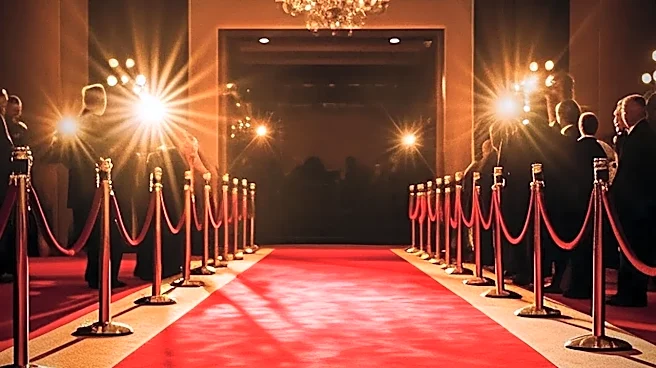
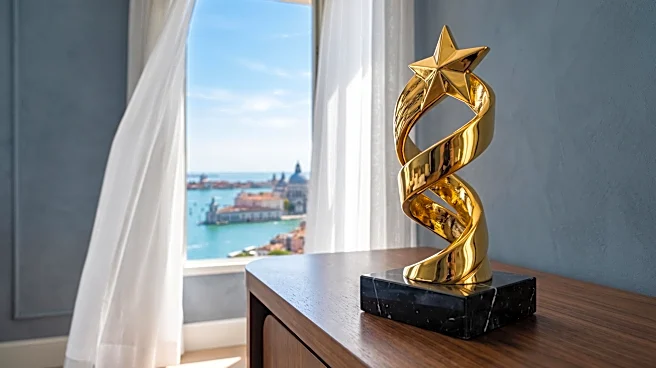
When everything is just a click away, how do you convince a subscriber that a specific film is an event worth their time? A massive advertising campaign can put a title on the digital billboard, but it often struggles to confer importance. The algorithm might suggest a film, but it can't make it feel essential. This is where the red carpet and the Golden Lion of Venice come in. For a certain type of film—typically auteur-driven, artistically ambitious, or challenging in its subject matter—a festival premiere acts as a powerful cultural filter. It separates the film from the vast sea of content and brands it as 'cinema' with a capital C.
The Currency of Prestige
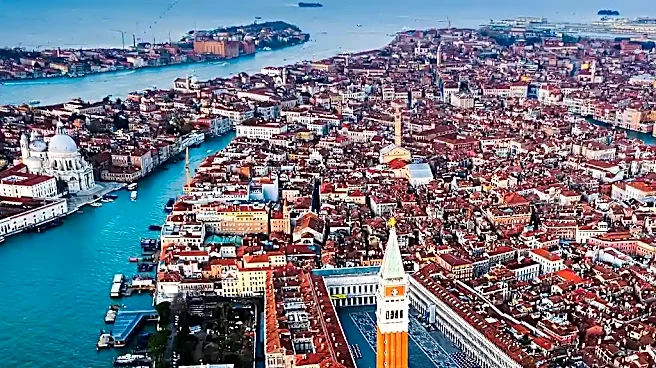
The Venice Film Festival, first held in 1932, is steeped in history and glamour. It’s a place where cinematic legends are made. When a streaming service lands a film in the main competition, it's buying something an algorithm can't generate: prestige. This stamp of approval from a discerning festival signals to audiences, critics, and industry insiders that the film is a significant artistic achievement. It generates organic media coverage, rave reviews, and the kind of buzz that money alone can’t buy. This strategy isn't new, but it has become a crucial tool for streamers looking to be seen as more than just content factories. By aligning themselves with a festival known for its artistic integrity, they position themselves as patrons of the arts and serious players in the film world, which in turn helps attract top-tier directors and actors for future projects.
Paving the Road to the Oscars
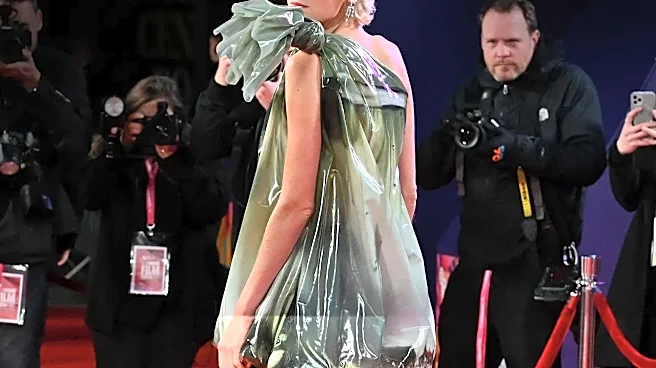
The fall festival circuit, with Venice as its traditional kickoff, is the unofficial start of awards season. A strong debut on the Lido can set a film on a direct path to the Academy Awards. In recent years, numerous Best Picture winners and major nominees, including films like "Roma," "Nomadland," and "The Shape of Water," began their journey with a Venetian premiere. For a streaming service, an Oscar win is the ultimate marketing prize. It bestows a permanent halo of quality on a film, driving viewership long after its initial release and elevating the entire platform's brand. The investment in a festival run—flying in talent, hosting parties, and campaigning—is often a calculated and more efficient expenditure than a nine-figure global ad buy for a film that needs critical validation to find its audience. A 10-minute standing ovation in Venice can resonate for months, culminating on Oscar night.
A Strategy for Art, Not Blockbusters
This strategy is, of course, highly selective. You won't see the next big-budget action franchise from a streamer debuting at a European art-house festival. Those films are built for mass appeal and rely on traditional, brute-force marketing. The Venice treatment is reserved for films that benefit from being curated and contextualized. Think of a complex drama, a foreign-language masterpiece, or a director's passion project. These are the titles that might get lost on a crowded streaming homepage but can thrive when introduced to the world as major cultural events. While the 2026 Venice lineup appears lighter on major US studio and streamer titles than in some past years, the strategy remains potent, with Netflix backing the opening night film, "Ink," from director Danny Boyle. The festival provides the narrative, and the streamer provides the global stage, creating a symbiotic relationship that turns a quiet, thoughtful film into a must-see global phenomenon.