






The End of a Messy Era
Let’s be honest: the last decade of DC movies has been a wild, often frustrating, ride. From the grim fatalism of *Man of Steel* and *Batman v Superman* to the studio-mandated course correction of 2017's *Justice League*, the DC Extended Universe (DCEU)
never quite found its footing. It was a universe of conflicting visions, where films like *Shazam!* and *Aquaman* felt like they existed on a different planet from their brooding counterparts. The final films of that era, like *The Flash* and *Blue Beetle*, arrived with the awkward energy of a farewell tour for a band that had already broken up. Fans were left with a disjointed narrative and a deep sense of fatigue. A simple recasting or a soft reboot wasn't going to cut it. The entire creative foundation needed to be torn down and rebuilt.
A New Universe, Not Just a New Slate
Enter James Gunn and Peter Safran, the new co-heads of DC Studios, armed with a multi-year plan called “Chapter One: Gods and Monsters.” Their strategy isn’t to salvage the old; it's to start fresh. While the official kickoff will be Gunn's own *Superman* (previously titled *Superman: Legacy*), which will introduce a new Clark Kent in a world already populated by heroes, it’s the film that follows that feels like the real mission statement. *Supergirl: Woman of Tomorrow* isn't just another title on a slate. By adapting a specific, critically acclaimed comic book, it signals a fundamental shift in DC's entire approach to storytelling. It tells audiences that this new universe will be built on strong, character-first narratives drawn from the best of DC's massive library, rather than chasing trends or trying to replicate Marvel's success.
This Isn't Your TV Supergirl
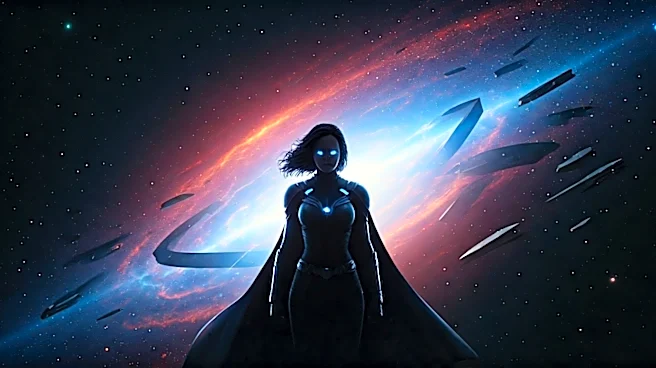
If your only image of Supergirl is the perpetually optimistic hero from the CW series, prepare for a major tonal shift. *Supergirl: Woman of Tomorrow*, based on the 2021-2022 comic series by Tom King and Bilquis Evely, presents a Kara Zor-El unlike any we've seen in live-action. This isn't a hero who grew up on Earth with a loving family. This is a young woman who spent her formative years on a floating chunk of Krypton, watching everyone she ever knew die in horrific ways before she finally landed on a planet already protected by her younger, more famous cousin. She's jaded, angry, and adrift. The story kicks off on her 21st birthday as she, along with a new alien friend, embarks on a gritty, cosmic quest for revenge. Gunn himself described this version as “much more hardcore; she’s not the Supergirl we’re used to seeing.” This complexity is the point. She isn’t just a female stand-in for Superman; she is a fully realized character forged in trauma.
A Symbol of Hope, Forged in Fire
The genius of picking *Woman of Tomorrow* as a foundational text for the new DCU is that it’s a story about finding hope, not just having it. The previous DCEU often struggled with the concept, either rejecting it with cynical heroes or presenting a simplistic, unearned optimism. Kara's journey is different. She has every reason to be a nihilist, but through her violent odyssey across the galaxy, she rediscovers her purpose and what it truly means to be a hero. Her hope is earned, not inherited. This journey is a powerful metaphor for the DCU itself. It’s an acknowledgment of past pain and a deliberate choice to build something better and more resilient from it. By showcasing a hero who finds light after overwhelming darkness, the film can show audiences—not just tell them—that this new universe will have emotional depth and thematic weight. It’s a move away from gods who punch each other toward characters who feel, hurt, and ultimately, inspire.