



More Than Just a Commercial
The 30-second television spot is far from dead, but in an age of ad-skipping and splintered attention, its power has waned. For brands desperate to connect with a younger, culturally savvy audience, an event like the MTV Video Music Awards is the ultimate
playground. It’s not about interrupting the show; it’s about becoming part of it. The goal is no longer just to be seen but to be integrated, to feel like a natural part of the spectacle. The official sponsor list for the 2026 awards—including names like Dunkin', Under Armour, and Tide evo—tells only part of the story. The real action lies in how these brands weave themselves into the very fabric of the weekend, from the red carpet to the after-parties and, most importantly, onto your social media feeds.
The Deeply Embedded Sponsor
Take BACARDÍ, the official spirits partner for the fourth year running. Their involvement went far beyond a simple logo. The rum brand was instrumental in the return of the Best Dance category after a seven-year absence, directly tying their name to a core element of music culture. Instead of a traditional ad, they aired a 75-second film celebrating past winners with Latin-inspired choreography. Furthermore, they created four official VMA cocktails, led by the 'Moonwalk Mojito,' giving viewers at home and attendees a tangible product to connect with the event. This is the modern blueprint: don't just sponsor a category, own a piece of the narrative. Similarly, Spotify stepped in as the official music partner, offering exclusive content and playlists after key performances, extending the life of a TV moment into a multi-day streaming interaction.
The After-Party Playbook
When the broadcast ends, the marketing continues. The official VMA after-parties are a hotbed of targeted brand activity. At exclusive events, like the one held at Level 8 in the Moxy Hotel, brands set up gifting suites and pop-up activations. Here, in a more relaxed environment, companies get their products directly into the hands of artists, influencers, and industry tastemakers. The photos from these parties, featuring a celebrity casually holding a specific energy drink or wearing a gifted piece of jewelry, are currency. It’s a less direct, but often more powerful, form of endorsement that feels organic to the public eye. These events are designed to generate a secondary wave of social media content, ensuring the brand’s presence lingers long after the last award is handed out.
The Two-Way Street of Influence
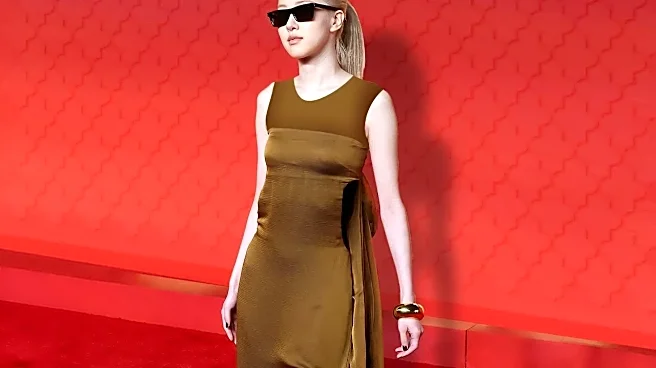
It’s not just brands leveraging the artists; the artists are using the VMA platform to amplify their own brand value. A nomination or a standout performance can make an emerging artist exponentially more attractive to sponsors. Look at stars like Sabrina Carpenter, who already boasts partnerships with Samsung and Marc Jacobs, or Tate McRae, who has worked with American Express. Their presence at the VMAs serves as an audition for future, more lucrative deals. The red carpet itself is a complex ecosystem of influence. A fashion house can win big either through traditional press coverage—landing on a 'best dressed' list—or through an artist’s own social media, where a single post can reach millions of followers instantly. Every outfit choice, every accessory, is a calculated business decision, turning celebrities into walking, talking billboards for luxury and fast-fashion brands alike.