







The Holiday Pressure Cooker
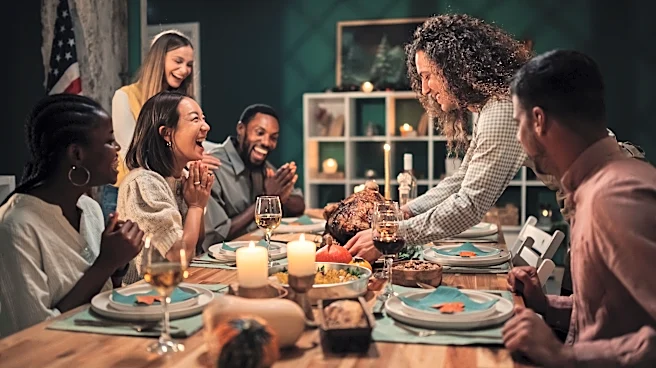
There's a reason so many family dramas, both real and fictional, reach their climax during the holidays. Thanksgiving gatherings, by design, create a high-stakes, high-pressure environment. Psychologists note that the holidays are often a period of heightened
vulnerability and stress. The combination of forced proximity, with relatives who may not see each other otherwise, and the weight of tradition creates a unique kind of tension. We're expected to be joyful, connected, and uphold the 'perfect' family image, a pressure that often clashes with the reality of unresolved conflicts bubbling just beneath the surface. This discrepancy between expectation and reality can make it difficult to maintain the usual walls that keep secrets hidden. When everyone is in the same house, there is nowhere to retreat, making avoidance impossible.
When Old Roles and New Realities Collide
Holiday reunions often trigger a phenomenon known as emotional regression, where adults unconsciously slip back into the roles they played as children—the peacemaker, the rebel, the quiet one. These old dynamics resurface because our brains associate family with deeply ingrained memories and patterns. This regression can be a catalyst for conflict, especially when those old roles no longer fit. A child who was always quiet may now have strong opinions they wish to share. A sibling who was seen as irresponsible may now be a successful adult demanding to be treated as such. The introduction of new people, like a partner or spouse, further disrupts the established order. These new additions aren't bound by the unspoken family rules and can inadvertently (or intentionally) ask the questions that expose long-guarded information.
Loosened Lips and Generational Shifts
It’s no secret that holiday gatherings often involve alcohol, which is notorious for lowering inhibitions. A casual glass of wine with dinner can easily lead to someone sharing a piece of information they’ve managed to keep under wraps all year. But beyond the chemistry of alcohol, there are deeper generational forces at play. What one generation considers a shameful secret, another may view as a normal part of life. Younger generations, like Gen Z and Millennials, are increasingly prioritizing mental health and authenticity over blind tradition. They may see no reason to hide a family member's adoption, a different political belief, or their own sexuality—topics that previous generations may have felt compelled to conceal out of shame or fear of judgment. This clash of values can lead to a younger family member forcing a secret into the open, not out of malice, but from a genuine belief that it shouldn't be a secret at all.
The Inevitable Tipping Point
A secret revealed at Thanksgiving is rarely a random event. More often, it's the culmination of years of suppressed emotions and unresolved tension finally reaching a tipping point. The holiday environment, with its mix of nostalgia, stress, and forced intimacy, simply provides the stage. A passive-aggressive comment from a parent, a loaded question from an aunt, or the sheer exhaustion of pretending everything is fine can be the final straw. In many cases, the revelation is not just an outburst but a desperate bid for honesty and resolution. The person revealing the secret may feel they can no longer participate in the family charade. While the immediate aftermath can be chaotic and painful, psychologists suggest that bringing secrets into the light, however clumsily, is often a necessary, if difficult, step toward a more authentic family dynamic.