






Anatomy of a Stunning Fall
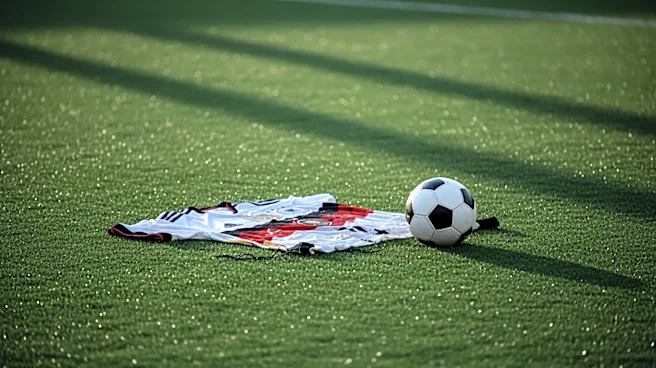
To understand the hope, you first have to understand the hurt. After winning their fourth World Cup in 2014 with a dominant, era-defining performance, Germany fell off a cliff. At the 2018 World Cup in Russia, the defending champions crashed out in the group
stage for the first time since 1938. It was a national shock, but many wrote it off as a fluke. Then it happened again. At the 2022 World Cup in Qatar, another group stage exit shattered the team's aura of invincibility. The methodical, relentless German machine had become fragile and predictable. They went from world champions to an international punchline in two tournament cycles, leaving fans and pundits asking what happened to one of football’s most reliable powerhouses.
The Blueprint for a New Beginning
The lead-up to the 2026 World Cup, however, felt different. The ingredients for a classic redemption arc were all there. The last veterans of the 2014 squad had moved on, making way for a thrilling new generation. The attack was built around the prodigious creative talents of Bayern Munich’s Jamal Musiala and Bayer Leverkusen’s Florian Wirtz—two of the most exciting young playmakers in the world. At the helm was Julian Nagelsmann, a wunderkind coach known for his tactical flexibility, intense pressing, and fluid attacking systems. The plan was to blend German football's historic efficiency with a new, dynamic flair. On paper, it was the perfect formula to erase the humiliations of 2018 and 2022 and reclaim their place among the elite.
The Moment That Wasn't
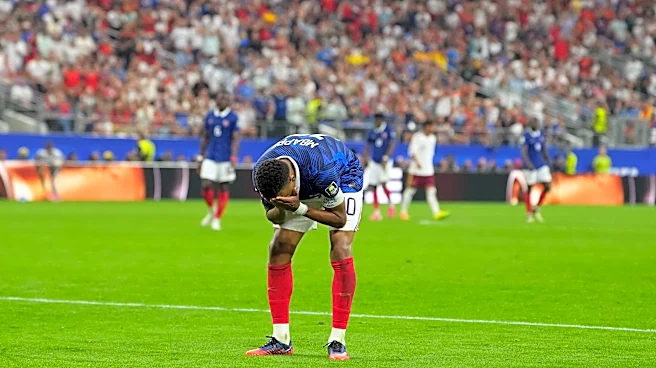
The perfect moment arrived, and Germany fumbled it. After a roaring 7-1 start against Curaçao, the old cracks began to show. A shaky 2-1 loss to Ecuador in the group stage raised familiar questions about their defensive solidity and ability to handle pressure. Still, they advanced to the knockout rounds, a milestone they hadn't reached since 2014. Their opponent was Paraguay, a resilient but lowly ranked side. It was a match Germany was expected to win comfortably. Instead, after 120 minutes of tense, goalless football, the game went to penalties. In a fittingly tragic twist, the nation once famous for its shootout nerve lost one at the World Cup for the first time in its history, sealing a third-straight premature tournament exit.
Deeper Scars and Familiar Problems
In the aftermath, it became clear this was more than just bad luck. The 2026 failure exposed the same problems that have plagued the team for years. The squad still lacks a clinical, world-class striker in the mold of former hero Miroslav Klose, leaving them to rely on players like Kai Havertz in a role that doesn't always suit him. The much-hyped young stars, Musiala and Wirtz, struggled to make a decisive impact when it mattered most. And defensively, the team remained porous and prone to critical lapses. Beyond the pitch, some analysts are pointing to deeper, structural issues within German football development, suggesting the problems run far deeper than any single coach or group of players. After another crushing blow, the German football association has vowed that things cannot continue with "business as usual."