


Lesson 1: The Beauty of the Weave
Before you even consider the color or print of a garment, look closely at its foundation: the weave or knit. High-quality fabrics have a tight, consistent structure. Hold a piece of clothing up to the light; if you can see through it easily (and it's
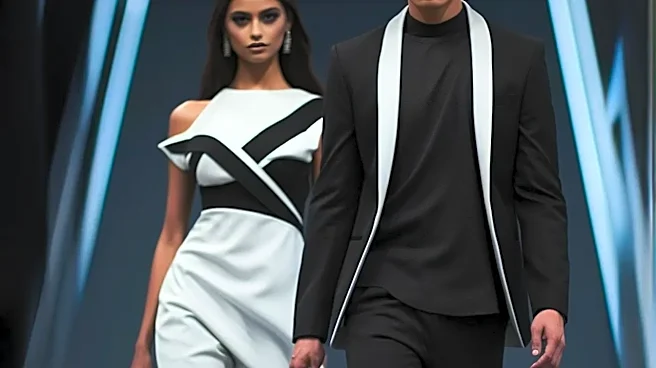
not meant to be sheer), it suggests a low density and weaker construction that won't last. The Fall/Winter 2026 runways showcased rich, textured fabrics like jacquards and heavy knits, where the intricacy of the weave is the main event. When shopping, run your hand over the surface. It should feel smooth and uniform, not bumpy or sparse. This indicates that strong, high-quality yarns were used, which translates to better durability and a more polished look.
Lesson 2: The Feel, or 'Hand,' of the Fabric
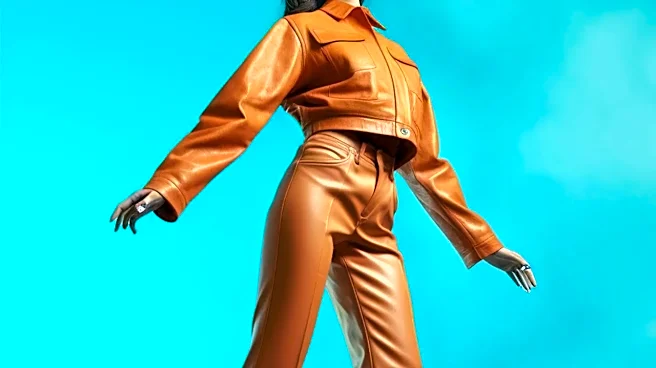
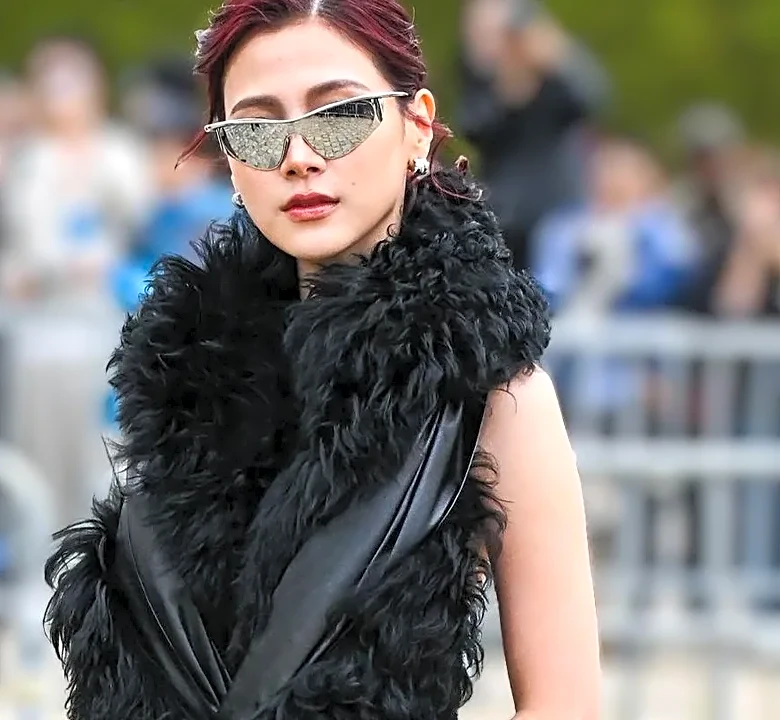
In fashion, the way a fabric feels is called its “hand.” Trust your senses. Quality materials simply feel better. Natural fibers like cotton, silk, and wool generally offer superior comfort and breathability. For instance, Pima cotton, known for its extra-long fibers, feels significantly softer and stronger than generic cotton. On the runways, designers use materials like fluid velvet and buttery-soft shearling that communicate luxury through touch alone. When you're in a store, don't just look at a piece—feel it. A quality garment often feels more substantial. A thin, scratchy, or overly stiff texture is often a red flag for cheap synthetic materials that won't wear well or feel good against your skin.
Lesson 3: The Richness of Sheen and Color
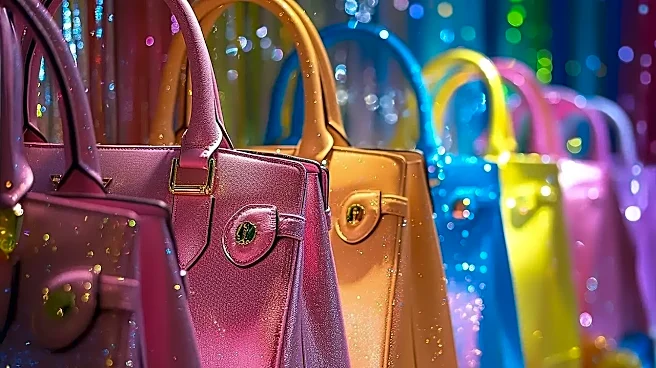
There's a distinct difference between a cheap shine and a luxurious sheen. High-end fabrics like silk satin, a major trend, have a liquid-like luster that catches the light beautifully as the body moves. Cheaper polyesters, by contrast, often have a flat, plastic-like glare. The same goes for color. Quality fabrics hold dye better, resulting in deep, rich, and consistent color. On the Fall 2026 runways, jewel tones and vibrant cherry reds appeared potent and sumptuous because they were rendered in high-quality textiles. When examining a garment, check for color consistency across the entire piece, including at the seams. Any fading or unevenness can signal a lower-quality dyeing process.
Lesson 4: The Importance of Drape and Structure
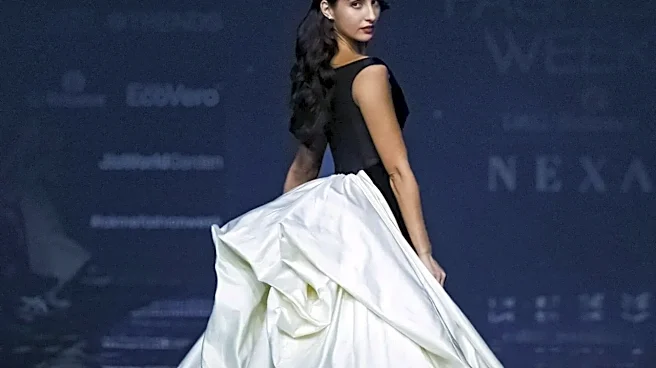
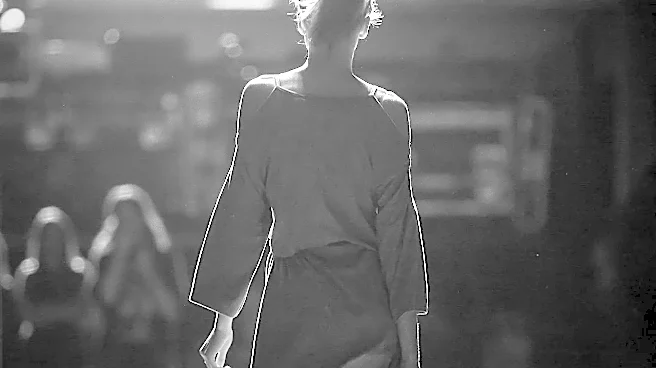
Drape refers to the way fabric hangs and flows. It’s a critical component of a garment’s silhouette. Designers are masters of using drape to create specific shapes, from the romantic volume of a billowing skirt to the sharp lines of tailored suiting. Materials with good drape, like quality silks or wools, move with you and fall gracefully back into place. You can test this in the store. Hold the garment up and see how it hangs. Does it collapse into a shapeless pile, or does it hold a form? Also, try the wrinkle test: crush a small corner of the fabric in your hand for a few seconds. If it emerges deeply wrinkled and stays that way, it's likely made from lower-quality fibers that will require constant maintenance and lose their shape over time. A quality fabric will have some resilience and release most of the wrinkles.
Lesson 5: Natural Fibers vs. Thoughtful Blends
While natural fibers are often the benchmark for quality, don't automatically dismiss blends. Designers frequently use fabrics that blend natural fibers with a small percentage of synthetics. This isn't always a cost-cutting measure; sometimes, it’s for performance. A touch of elastane can give a pair of trousers stretch and recovery, while a bit of polyester can add durability and wrinkle resistance to a cotton shirt. The key is the ratio. A garment made of 95% cotton and 5% spandex will feel very different from one that is 95% polyester. Pay attention to the fabric content label. Look for blends where a quality natural fiber is the dominant material, enhanced by, not replaced with, a synthetic.