



Destination or Sanctuary?
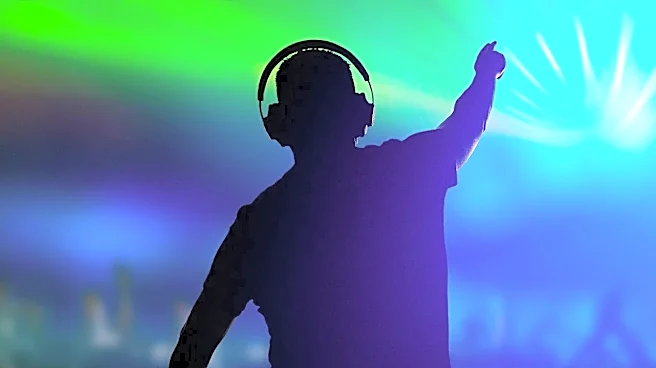
Before a single tent stake hits the ground, organizers must decide what their camp will be. The path forward splits at the speakers. Will you be a destination, a beacon of pulsing beats drawing thousands from across the playa? Or will you be a sanctuary,
a quieter space for connection, conversation, or contemplation? This choice is about your camp’s gift to the community. A large-scale sound system is a massive offering of energy and entertainment, transforming a patch of desert into a landmark. Conversely, a camp focused on workshops, food, or quiet connection offers a different kind of gift: respite. Neither is inherently better, but you can’t be both. The moment you commit to a wall of speakers, you commit to an identity built on high-volume, public-facing spectacle. The alternative is an identity built on intimacy.
The Allure of the Sound Camp
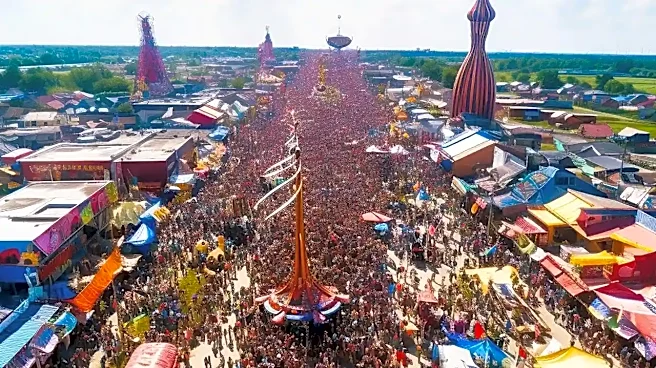
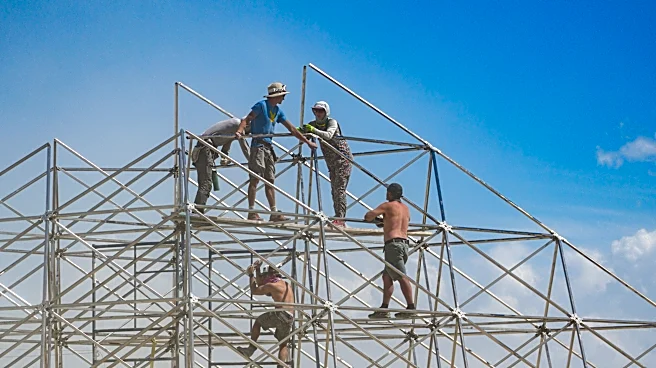
To become a designated large-scale sound camp is a monumental undertaking. These are the operations with multi-story stages, professional-grade sound systems, and light shows visible from a mile away. They are placed by the organizers in specific zones, often on the 2:00 and 10:00 edges of the city, with speakers facing out into the open playa to mitigate noise pollution within the city itself. Running one of these camps is a year-round job involving massive budgets, complex logistics, and dozens of volunteers. The identity it forges is powerful: the camp becomes a central node of Black Rock City's nightlife, a cathedral of electronic music where thousands can share a collective experience. For many, these camps are as essential to the Burning Man experience as the major art installations.
The Power of Quiet
On the other end of the spectrum are the camps that deliberately opt out of the sonic arms race. Their gift is the absence of amplification. These sanctuaries might offer anything from shared meals and cozy lounges to massage, meditation, or interactive art that requires focus. One camp, cheekily named "Not a Sound," centers its entire experience around non-verbal communication to be radically inclusive of deaf participants. Choosing quiet fosters a different kind of interaction. It’s where deep conversations happen, where new friendships are forged over a shared meal, and where burners can recharge before heading back out into the beautiful chaos. This identity is less about mass appeal and more about creating a space for personal connection and community building within the camp's borders.
The Contentious Middle Ground
The most significant tension around sound at Burning Man doesn't come from the giant, regulated sound camps. It comes from the camps in the middle. These are the theme camps that aren't registered as large-scale sound art but still set up substantial sound systems for their own enjoyment. The problem arises when their party bleeds into neighboring camps. Burning Man’s official policy is based on a "conversational level" standard; sound shouldn't be so loud at a neighbor's border that you can't hold a normal conversation. But enforcement is tricky and relies mostly on community members negotiating directly with each other. This middle ground is where identities clash—where one camp's good-time vibe becomes another camp's inescapable noise, pitting the principle of Radical Self-Expression against the need for Communal Effort.