





More Than a Star-Studded Roster
In television, "ensemble cast" is a term that gets thrown around a lot, but it means more than just having a large number of recognizable actors. A true ensemble isn’t built around a single, dominant sun; it’s a solar system of celestial bodies, each
with its own gravitational pull, creating a balanced and intricate web of relationships. Think of it as the difference between a solo concert and a symphony orchestra. One is a showcase for a singular talent, while the other thrives on the interplay and harmony between dozens of instruments. Shows led by a truly great ensemble distribute the narrative weight, making the world of the show feel larger and more lived-in. No single character has to carry the burden of every plotline, allowing for richer, more varied storytelling where even minor characters get their moment to shine, deepening the audience's connection to the world as a whole.
The Intangible Asset: Chemistry
What truly separates a good cast from a legendary ensemble is chemistry. It’s an alchemy that’s impossible to manufacture but immediately obvious when you see it. It’s the shared glances, the overlapping dialogue, and the believable history that exists between characters. Shows like "The Office" or "Succession" became cultural touchstones not just for their sharp writing, but because the actors felt like they genuinely inhabited their relationships. That same dynamic is visible in this year's Emmy contenders. When actors generously share scenes, playing off one another rather than competing for the spotlight, the entire production is elevated. This creates the 'effortless' quality the headline alludes to—a performance that feels so natural and fluid, viewers can forget they’re watching actors and simply believe in the world presented to them. That believability is what hooks viewers and, crucially, what catches the eye of awards voters.
Spotlighting the 2026 Nominees
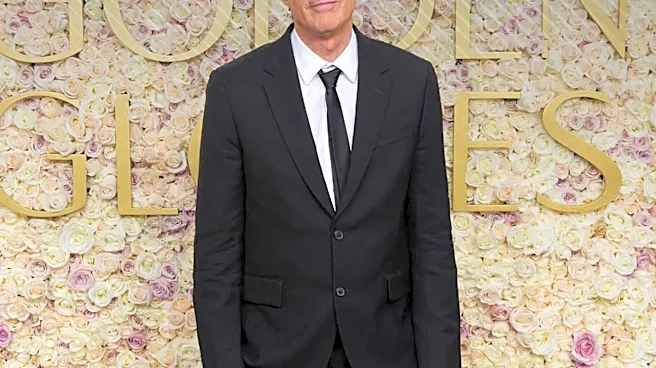
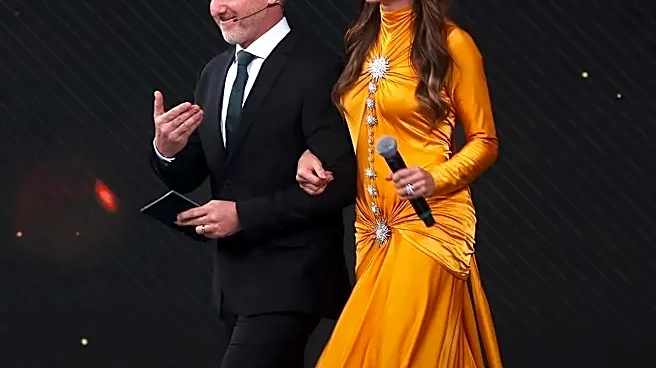
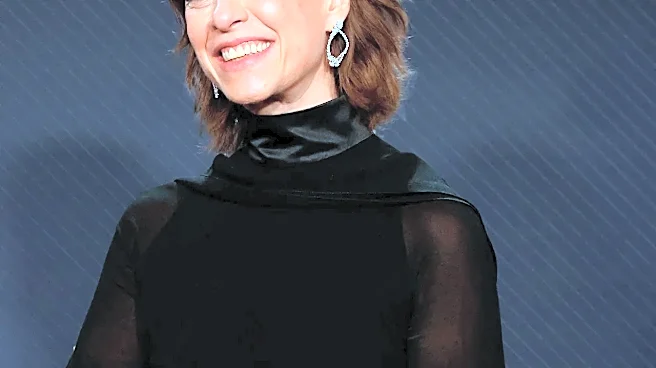
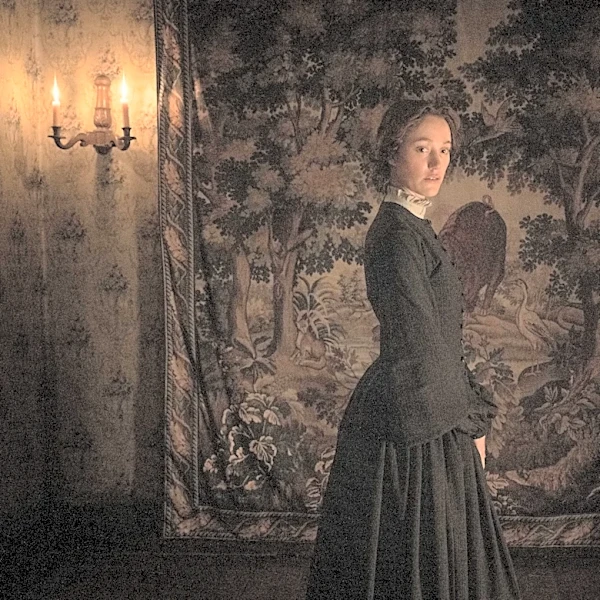
This year's Emmy nominations, announced in July, are a testament to the power of the ensemble. HBO's hospital drama "The Pitt" stormed the field with a staggering 25 nominations. While Noah Wyle is recognized for his lead role, the show also received an incredible seven supporting acting nominations for its sprawling cast, a clear nod to its strength as a collective. Similarly, the final season of "Hacks" broke records for a comedy, earning 24 nominations, with nods for its central duo, Jean Smart and Hannah Einbinder, as well as for supporting players who make its world feel complete. Other nominees like Apple TV+'s "Widow's Bay" and the drama "Pluribus" also earned multiple acting nominations, indicating that voters are recognizing the deep benches of talent that make these shows compelling. These series are not just star vehicles; they are intricately woven tapestries where every thread matters.
Why 'Effortless' Is Deceptively Difficult
The irony is that making a show feel effortless requires an immense amount of work. It starts in the writers' room, with scripts that are meticulously structured to service multiple arcs and give each character a purpose. It continues in casting, where directors look not just for individual talent but for how actors will mesh as a unit. And it culminates on set, where a spirit of collaboration must trump individual ego. When an ensemble clicks, it creates a virtuous cycle: talented actors make the writing better, and strong writing gives them more to work with. The result is a show that feels confident and fully formed. It doesn't need to rely on shocking twists or a single, explosive performance to keep you watching. The simple act of seeing these characters interact is entertaining enough. This is the hallmark of a great ensemble—a seamless fusion of writing, directing, and acting that is anything but easy.