



The Rule That Changed Everything
To understand the modern keeper, you have to go back to 1992. After a notoriously dull 1990 World Cup, where teams would often pass the ball back to their keeper to kill time, FIFA introduced the back-pass rule. Suddenly, goalkeepers were forbidden from
handling the ball if it was deliberately kicked to them by a teammate. This single change was a tactical earthquake. Keepers could no longer just be good with their hands; they had to become competent with their feet. At first, it was a clumsy adjustment, leading to countless panicked clearances. But over time, it planted the seed for a revolution. The goalkeeper was no longer a safe-harbor for possession—they were now a mandatory participant in open play, forced to develop a whole new skill set.
The Rise of the Sweeper-Keeper
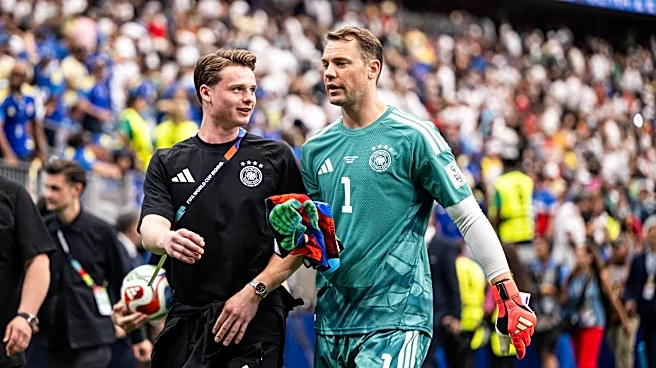
As soccer’s top teams embraced a high-pressing style—pushing their defensive line far up the field to win the ball back quickly—a new problem emerged: a massive gap between the defenders and the goal. This space was ripe for exploitation by long balls and quick forwards. The solution was the “sweeper-keeper.” Instead of being tethered to the six-yard box, this new breed of goalie patrols the edge of their penalty area, acting as an extra defender. Germany’s Manuel Neuer is the archetype. In his prime, he redefined the position with his aggressive starting position, rushing out to intercept through-balls and clear danger before a shot was even possible. This proactive defending allows a team to play a high-risk, high-reward pressing game, effectively shrinking the field for the opposition and making the keeper a vital part of the team’s defensive structure.
The Goalkeeper as the First Attacker
Once keepers mastered playing with their feet defensively, visionary coaches realized they could be used as offensive weapons. The modern tactical keeper is now the starting point for a team’s entire attack. This is most obvious in how teams “play out from the back.” Instead of hoofing the ball long and hoping for the best, keepers like Manchester City’s Ederson or Liverpool’s Alisson Becker use short, precise passes to their defenders to carefully bypass an opponent’s press. This draws the other team forward, creating space to be exploited elsewhere on the field. Their distribution isn’t just about short passes, either. An accurate long ball from a keeper can be one of the most potent weapons in the game. Ederson is famous for his laser-guided 70-yard passes that can turn a defensive situation into a one-on-one goalscoring opportunity in a matter of seconds. This forces opponents to rethink their entire defensive setup. If they press high, they risk leaving space behind them for the keeper to exploit. If they sit back, they allow the keeper to dictate play from deep. The goalkeeper is no longer just stopping goals; they’re creating them.
Masters of the Modern Shootout
In the pressure cooker of a cup competition, no role is more scrutinized than the keeper's during a penalty shootout. This is where the tactical evolution becomes psychological. It’s no longer just about reflex saves. Keepers are now students of data, studying shooters’ tendencies and preferred sides. But they’ve also become masters of gamesmanship. Look at Argentina's Emiliano Martínez during the 2022 World Cup. His antics—delaying kicks, talking to opponents, and exuding a confrontational confidence—were a calculated strategy to disrupt the penalty taker's rhythm. He wasn't just trying to save the ball; he was trying to win a mental battle before the ball was even kicked. This aggressive, almost theatrical approach has become a new tool in the keeper’s arsenal, turning the shootout from a lottery into a stage for tactical and psychological warfare.