




What Makes Satin Shine?
First, a quick clarification: satin is a type of weave, not a material itself. This weave is created by floating several threads over one another, which creates a smooth, uninterrupted surface that reflects light. The more uniform and smooth that surface,
the shinier the fabric appears. Conversely, a weave with more texture will scatter light, resulting in a duller or more matte finish. The type of fiber used—be it natural silk or synthetic polyester—also plays a huge role in the quality and intensity of that shine.
High-Gloss Shine: The Liquid Look
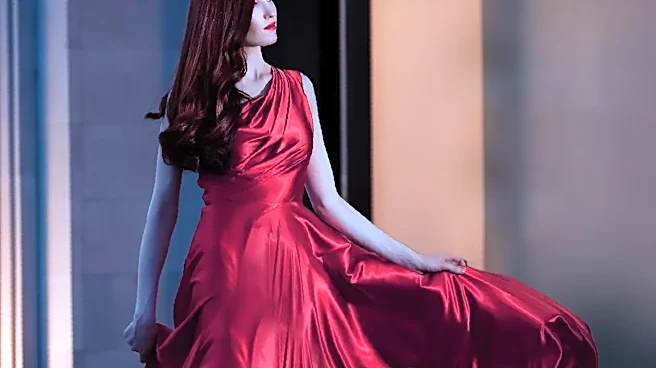
Fabrics like charmeuse are famous for their high-gloss, almost liquid-like sheen. Charmeuse is typically lightweight, drapes beautifully, and moves with a fluid grace, making it a popular choice for slip dresses and bias-cut gowns that cling to the body. The intense shine creates a dramatic, eye-catching effect that's perfect for the red carpet. However, there are trade-offs. This high level of reflection can sometimes look inexpensive if the fabric is a lower-quality polyester. Furthermore, a super-shiny surface highlights every lump and bump, making it less forgiving to wear.
Subtle Sheen: Understated Elegance
On the other end of the spectrum are satins with a more subtle, lustrous glow. Duchess satin is a prime example; it's a heavier, more structured fabric with a rich but low-gloss finish. Its stiffness allows it to hold its shape, making it ideal for voluminous ball gowns and structured formalwear. Another option is Peau de Soie, which translates to "skin of silk" and is known for its fine-ribbed texture and very subtle, matte sheen. These less reflective satins often look more expensive and are far more forgiving, as they don’t highlight imperfections in the same way a high-shine fabric does.
Fiber Matters: Silk vs. Polyester
The fiber content is just as important as the weave. Silk satin offers a complex, multi-tonal luster; because of the fiber's natural triangular structure, it refracts light rather than just reflecting it, giving it a rich glow that seems to come from within. Polyester satin, on the other hand, produces a more uniform, surface-level shine that can sometimes appear flat or plastic-like in comparison. While modern polyester satins have improved significantly, silk's natural breathability and luxurious feel are hard to replicate. Acetate is another synthetic option that provides an elegant luster at a more accessible price point than silk.
How to Choose for the Occasion
When making your selection, think about the overall effect you want to achieve. A high-shine charmeuse or messaline satin makes a bold, glamorous statement perfect for a high-energy party or a night out. For a more formal, classic, and sophisticated look, such as for a wedding or black-tie gala, a Duchess satin or Peau de Soie is often a more elegant choice. Also, consider the lighting. High-gloss fabrics can look stunning under dim, ambient lighting but might appear overly harsh in bright daylight or flash photography. A fabric with a softer sheen often photographs more consistently and maintains a look of timeless elegance no matter the setting.