



The Power of Shared Cultural Memory
At its core, the obsession with VMA throwbacks is about nostalgia. These moments—Britney Spears with a python, Kanye West interrupting Taylor Swift, Madonna kissing Britney and Christina—aren't just old clips; they're milestones that marked a specific
time in our lives. For many, the VMAs were appointment television, a live event where anything could happen before the curated and polished perfection of the social media age. Revisiting these moments is like opening a time capsule. It fosters a sense of connection and community, reminding us of a shared past. Psychologists note that engaging with nostalgia can improve mood and increase feelings of social connectedness, providing comfort during uncertain times by reminding us of a familiar past.
When Live TV Was an Unpredictable Spectacle
Part of the magic of classic VMA moments is that they were genuinely shocking because they were unscripted and live. Take Kanye West grabbing the microphone from a 19-year-old Taylor Swift in 2009. The raw, unfiltered nature of his outburst—followed by a stunned audience and Beyoncé’s eventual gracious gesture to let Swift finish her speech—created a storyline that has lasted over a decade. Similarly, when Madonna kissed both Britney Spears and Christina Aguilera in 2003, it was a move designed for maximum shock value. The fact that the broadcast infamously cut to Justin Timberlake’s reaction right after the Spears kiss, largely overshadowing the Aguilera one, only added another layer to the lore. These weren't just performances; they were chaotic, unpredictable events that became instant cultural folklore.
Defining Moments in Celebrity Narratives
For the artists involved, these VMA moments often become pivotal chapters in their career stories. Britney Spears’ 2001 performance of "I'm a Slave 4 U" with an albino python draped over her shoulders was a deliberate declaration of her evolution from teen pop sensation to a more mature and daring artist. The image is so iconic that Spears herself has referenced it, and it remains a defining symbol of her superstardom. The Kanye-Taylor incident in 2009 set the stage for a years-long, highly public feud that has been referenced in their music and careers ever since. It became a formative experience for Swift and a defining moment for West's public persona. These events are not just footnotes; they are turning points that fans endlessly dissect and analyze.
The Social Media Echo Chamber
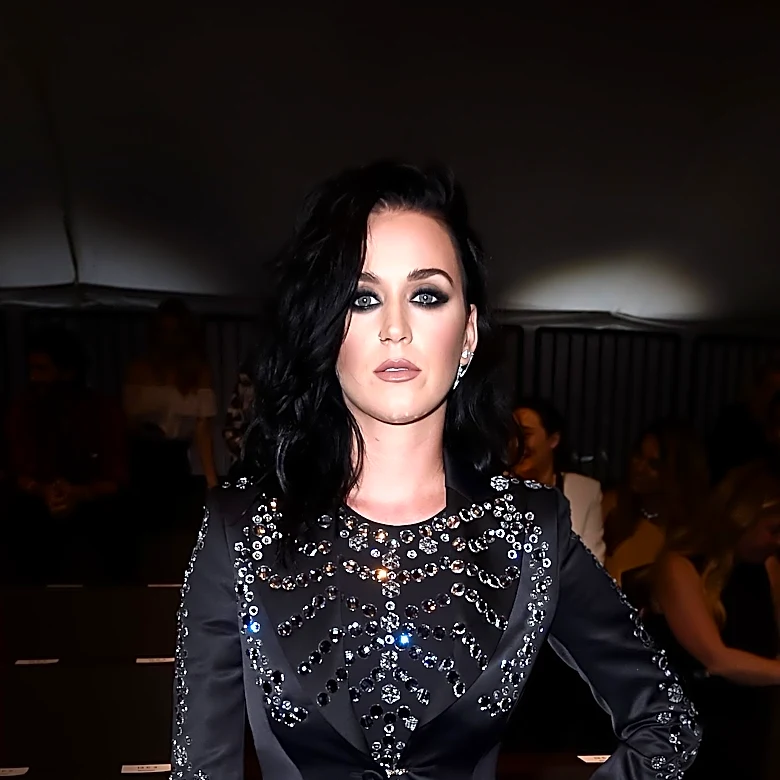
Today, social media acts as a powerful amplifier for these throwback moments. Every GIF of Diana Ross playfully jiggling Lil' Kim's pasty-covered breast in 1999 or every meme of the Kanye interruption keeps these events in our collective consciousness. When an artist makes a subtle nod to a past VMA moment—like Katy Perry and Riff Raff channeling the iconic all-denim outfits of Britney Spears and Justin Timberlake—the internet erupts. Fans relive the moment, new audiences discover it for the first time, and a fresh wave of commentary and analysis floods platforms like X (formerly Twitter), TikTok, and Instagram. This digital echo chamber ensures that VMA history isn't just remembered; it's actively and continuously re-experienced, solidifying its legendary status.