





First, It's Not Your Grandpa's Itchy Wool
Let’s get the biggest barrier out of the way: the itch. Most people associate wool with that scratchy Christmas sweater relegated to the back of the closet. That sensation comes from coarse, thick wool fibers that don't bend when they press against your
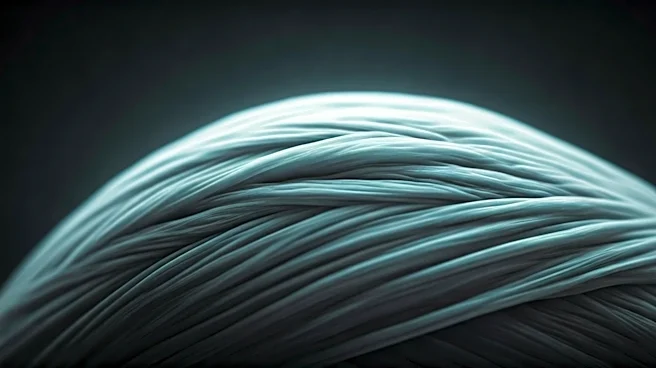
skin, instead poking you like tiny needles. Merino wool is different. It comes from Merino sheep, a breed prized for its exceptionally fine fleece. The fibers are measured in microns (a millionth of a meter), and while traditional wool might be 30 microns or more, high-grade Merino is typically under 20. These ultrafine fibers are so flexible that they simply bend and conform to your skin, eliminating the itch and creating a soft, luxurious feel that rivals cashmere at a more accessible price point.
The Master of Moisture Management
This is where the real 'magic' begins. Unlike synthetic fabrics like polyester, which can only wick away liquid sweat once it’s already on your skin (often leaving you feeling clammy), Merino wool is proactive. Its fibers can absorb huge amounts of moisture vapor—up to 30% of their own weight—before you even feel wet. It pulls the vapor away from the microclimate of your skin, keeping you feeling dry. Then, through a process called 'desorption,' it releases that moisture into the drier, outside air. But here's the coolest part: as it absorbs moisture, a chemical reaction in the fiber's core generates a small amount of heat. This 'heat of sorption' is why a Merino layer can feel instantly warm when you step out into a damp, cold day. It's literally working to warm you as it starts managing moisture.
A Natural, Two-Way Thermostat
The phrase 'warm in the winter, cool in the summer' sounds like a marketing slogan, but for Merino, it’s a physical reality. The secret is the 'crimp,' a natural, spring-like waviness in each fiber. When you're cold, these crimps trap thousands of tiny pockets of air. Your body heat warms this air, and the wool holds it in place, creating an incredibly efficient layer of insulation. However, when you start to heat up and sweat, the process reverses. The fabric pulls moisture vapor away from your skin, and as that moisture evaporates from the surface of the fabric, it creates a cooling effect. This phenomenal breathability prevents the clammy, overheating sensation you get with less sophisticated materials. It’s not just a passive layer; it’s an active thermoregulation system.
The Secret to Fighting Odor
This is the game-changer for travel and multi-day wear. The reason clothes stink is because bacteria thrive in warm, damp environments, feeding on your sweat. Merino fights this on two fronts. First, its superior moisture management means the surface of the fabric—and your skin—is a much drier, less hospitable place for bacteria to grow. Second, the wool fiber itself has inherent antimicrobial properties. The surface of a wool fiber is covered in a waxy substance called lanolin and is composed of scales that have a complex structure. This composition is thought to make it difficult for odor-causing bacteria to latch on and multiply. The result? You can wear a Merino t-shirt or base layer for several days without it developing the funk that a cotton or synthetic shirt would in mere hours.
Why This Science Matters in Your Closet
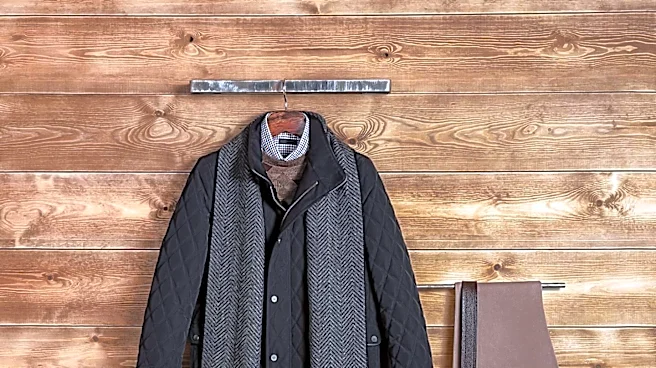
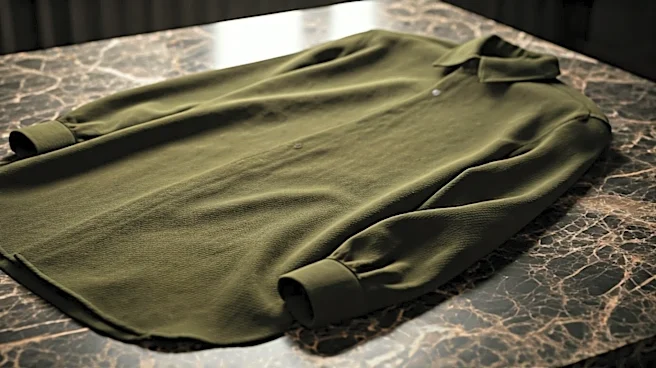
Understanding this isn't just academic. It means you can build a smarter, more versatile, and ultimately smaller wardrobe. A single Merino sweater can function as a cozy layer for a winter day, a breathable outer layer for a cool spring evening, and an essential piece for a travel capsule that needs to resist wrinkles and odors. A Merino polo shirt looks sharp enough for the office but has the performance to handle a stressful commute or a walk at lunch without leaving you a sweaty mess. It bridges the gap between technical 'performance' wear and classic menswear, allowing you to own fewer, better things that do more. That's not just good science; it's smart living.