

1. The Sculptural Blazer
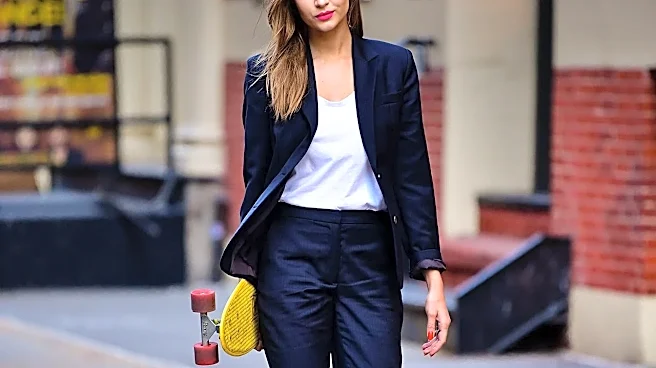
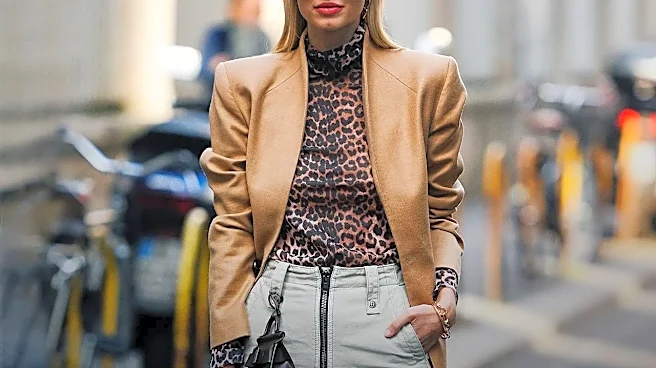
Forget standard office wear. Blazers in Copenhagen are sculptural and architectural. Designers use strong shoulder pads, nipped-in waists, and sometimes even dramatic elements like bustles to create a powerful, defined silhouette that commands attention
while still feeling wearable.
2. Oversized, Boxy Cuts
Counterintuitively, a key to the precise look is the oversized fit. Jackets and trousers are often cut bigger, bolder, and boxier, leaning into a more masculine aesthetic. The precision comes from the clean lines and structure within the volume, ensuring the look is deliberate, not sloppy.
3. Billowing Trousers
Skinny fits are out; voluminous trousers are in. From wide-leg pleated styles to flowing palazzo pants, the CPHFW silhouette is defined by a billowy lower half. The key is the fabric and drape—they move beautifully and create a fluid, yet controlled, line from the waist down.
4. Atypical and Deconstructed Forms
Copenhagen designers love to play with the very idea of a garment. Trousers might be reworked into a skirt suit, or jackets are designed to be collarless. This 'atypical tailoring' approach deconstructs traditional pieces and reassembles them in fresh, unexpected ways that challenge convention.
5. The Statement Trench Coat
Outerwear is never an afterthought in Scandinavia; it's often the main event. Trench coats are a prime example, treated as statement pieces with refined details. They feature clean lines, structured shoulders, and perfect lengths that add a layer of polish to any outfit beneath.
6. Strategic Layering as Structure
Layering is an art form in Copenhagen, used not just for warmth but to build a look. A slip dress over trousers or a crisp shirt under a leather vest adds dimensional structure. Each layer is chosen with intention, contributing to the outfit's overall architecture.
7. Softness in Structure
Even the most tailored pieces have an element of softness and ease. Blazers are worn over simple t-shirts, and structured jackets are made from materials that allow for movement. This balance prevents the look from becoming too rigid, embodying a 'relaxed but polished' philosophy.
8. Focus on High-Quality, Textured Fabrics
Precision isn't just about the cut; it's about the material. Designers favor high-quality, natural fibers like merino wool, crisp cotton, and double-faced wool that hold their shape. Mixing textures, such as a smooth silk with a structured herringbone, adds depth without needing loud prints.
9. The Unfussy Collar
Whether it's the crisp collar of a poplin shirt peeking out from under a coat or a jacket that is completely collarless, necklines are treated with minimalist care. The focus is on a clean, sharp line that frames the face without any unnecessary frills or distractions.
10. The Asymmetrical Hem
A subtle but impactful detail is the use of asymmetry. An asymmetrically draped piece or an uneven hem can be the single signature detail on an otherwise minimalist garment. This creates visual interest and a sense of modern, deliberate imperfection within a controlled look.
11. Trousers Tucked Into Boots
A simple styling trick with a major impact on silhouette is tucking tailored trousers into boots. This move instantly gives a simple suit a cooler, more utilitarian edge, breaking the traditional line of the trouser and creating a more tapered, modern shape.
12. Integrated Overlays and Capes
Trailing fabrics and integrated overlays are a recurring theme, adding drama and movement. A scarf-like detail might be built into a coat, or a deconstructed mantle is anchored at the shoulder. These elements blur the line between garments and create striking, dynamic silhouettes.
13. Lace as a Tailoring Counterpoint
Lace is often used not just as a delicate detail, but as a structural counterpoint to sharp tailoring. A lace-trimmed camisole under a boxy blazer or a sheer lace top paired with tailored trousers mixes softness and hardness, a key signature of the Copenhagen aesthetic.
14. A Foundation of Neutral Palettes
The precision of the tailoring is often highlighted by a restrained color palette. Shades of sand, cream, taupe, black, and cocoa dominate, allowing the cut and silhouette to be the focus. This minimalist color foundation makes each architectural detail stand out even more.