







A Palace Built for Football, Now Hosting Fútbol
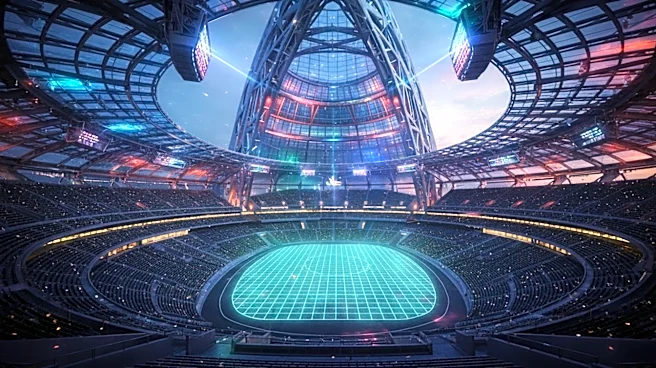
The heart of this spectacle is AT&T Stadium, temporarily known as Dallas Stadium, a venue synonymous with American football royalty. With its colossal video board and retractable roof, it was engineered for larger-than-life moments. Now, this cathedral
of the Dallas Cowboys is hosting the most World Cup matches of any city—nine in total, including a high-stakes semi-final on July 14. Organizers are leveraging the stadium's sheer scale and modern amenities to create an unparalleled fan experience, impressing even international visitors accustomed to historic European grounds. The venue underwent significant renovations to meet FIFA standards, including installing a natural grass pitch and widening the field, demonstrating a commitment to authentically presenting the global game.
The Billion-Dollar Game Plan
The ambition is matched by staggering economics. Projections estimate the economic impact on the Dallas-Fort Worth area to be between $1.5 billion and $2.1 billion. Local officials liken hosting nine matches to staging multiple Super Bowls in a single summer. This windfall is driven by an influx of global tourists, with hotel bookings and international flights surging. Beyond ticket sales, the tournament is creating thousands of local jobs in hospitality, transportation, and security. The city is also home to the tournament's International Broadcast Centre, a massive media hub that brings thousands of journalists and a global spotlight to downtown Dallas for the entire 39-day event.
More Than a Match: A Citywide Celebration
Dallas's strategy extends far beyond the stadium walls. To capture the energy of the tournament, the city has established a massive FIFA Fan Festival at Fair Park, a 1-million-square-foot space offering free access to live match broadcasts, concerts, and cultural food experiences. This creates a central hub for fans with and without tickets, ensuring the entire region feels the event's pulse. Local businesses, from large retailers to small specialty shops, are seeing a significant boost from international fans. The seamless coordination of transportation from downtown hubs to the stadium is another key part of the plan, designed to manage the flow of hundreds of thousands of visitors and showcase the region's logistical prowess.
Planting the Seeds for a Soccer Legacy
For Dallas, the World Cup is not just a one-off event; it's a long-term investment in soccer's future. The city has a history with the sport, having hosted matches during the 1994 World Cup, an event that helped lead to the founding of FC Dallas. Organizers now hope this tournament will have an even greater legacy. By proving it can host the world’s most popular sport on an unprecedented scale, Dallas aims to cement its status as a premier global sports destination. The goal is to convert casual observers into lifelong fans and build on the thriving youth soccer culture, ensuring that the passion ignited this summer continues long after the final whistle.