
1. The Birth of the 'Alternative Nation'
The first Lollapalooza in 1991 wasn't just a concert; it was a movement. Conceived by Jane's Addiction frontman Perry Farrell as a farewell tour, it bundled industrial (Nine Inch Nails), post-punk (Siouxsie
and the Banshees), and hip-hop (Ice-T) into a traveling circus of counterculture. It gave a name and a stage to the burgeoning "Alternative Nation," proving that a diverse mix of non-mainstream artists could create a commercially successful phenomenon.
2. Grunge Takes the Throne
By 1992, the cultural ground had shifted. Alternative was becoming mainstream, largely thanks to grunge. Lollapalooza's second outing reflected this perfectly, featuring a murderer's row of Seattle's finest: Pearl Jam and Soundgarden, alongside the Red Hot Chili Peppers. This lineup cemented the festival as the premier stage for rock's new dominant force, moving it from a niche curiosity to the center of youth culture.
3. Hip-Hop Becomes a Main Stage Fixture
While Ice-T was on the inaugural tour, the mid-90s saw hip-hop move from a side attraction to a core component. The 1994 lineup featured A Tribe Called Quest and the Beastie Boys in prominent slots, while 1996 brought the Wu-Tang Clan. This shift showed that alternative culture wasn't just about rock music; it was a space where different forms of rebellion and artistry could coexist and influence each other.
4. The First Brush with 'Selling Out'
By 1996, the alternative boom was so massive that it courted true rock royalty. Booking Metallica as a headliner was a pivotal moment. It caused a rift with founder Perry Farrell and sparked debate among fans about whether the festival was abandoning its countercultural roots for commercial appeal. This tension mirrored the broader identity crisis within alternative music as it became a dominant market force.
5. The Electronic Music Test Run
Before EDM had its own dedicated stage, the late '90s tours began testing the waters. The 1997 lineup notably included electronic acts like The Orb and The Prodigy alongside artists like Snoop Dogg. It was a forward-thinking move that, while perhaps ahead of its time, planted the seeds for the electronic music explosion that would later redefine the festival landscape.
6. The Indie Rock Revival
After a hiatus, Lollapalooza was reborn in 2005 as a stationary festival in Chicago. Its early lineups in this new form championed the indie rock boom of the mid-2000s. Bands like Arcade Fire, The Killers, Death Cab for Cutie, and the Pixies became staples. This era marked a shift from the heavy angst of the '90s to a more melodic, quirky, and internet-fueled wave of rock music.
7. The Rise of the Hip-Hop Headliner
If the '90s integrated hip-hop, the late 2000s elevated it to the top. Kanye West’s 2006 and 2008 headline sets were landmark moments, moving rappers from supporting players to undisputed main-event draws. This change reflected hip-hop's journey to becoming the dominant genre in American popular music, a trend Lollapalooza's top billing would continue to showcase with acts like Childish Gambino and Kendrick Lamar.
8. The EDM Explosion and Perry's Stage
What started with The Prodigy culminated in an entire universe of its own: Perry's Stage. Named for the founder, this dedicated EDM stage transformed from a small tent into a festival-within-a-festival, drawing massive crowds. The rise of headlining DJs like Daft Punk (in 2007), Skrillex, and Calvin Harris mirrored EDM's surge from niche subculture to a massive, commercial youth movement in the 2010s.
9. Pop Music Ascends to the Top Line
For years, "pop" was a dirty word at Lollapalooza. That changed decisively in 2010 with Lady Gaga's headline performance. Her booking signaled a major shift: the walls between alternative and pop were crumbling. In subsequent years, headliners like Ariana Grande, Olivia Rodrigo, and Billie Eilish proved that in the streaming era, genre divisions mattered less than cultural impact.
10. The Legacy Act as a Generational Bridge
As the festival and its original audience aged, a new tradition emerged: booking legendary legacy acts. Paul McCartney's 2015 performance was a watershed moment, but so were appearances by Metallica (returning in a new context), Journey, and The Cure. These bookings served a dual purpose: they honored music history and created a space where multiple generations of festival-goers could find common ground.
11. The Global Pop Invasion
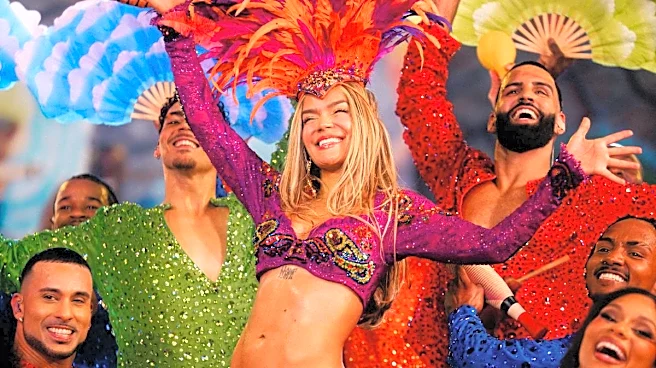
In recent years, the definition of a headliner has expanded globally. The inclusion of K-pop groups like Tomorrow x Together and TWICE, and Latin stars like Karol G and J Balvin, in top slots reflects a profound cultural shift. Music consumption is no longer defined by American radio. Lollapalooza's lineup now mirrors the borderless nature of streaming charts and the rise of international fandoms in the U.S.
12. The Genre-Fluid Streaming Era
Today's lineups are a direct reflection of a post-genre world shaped by Spotify and TikTok. A modern Lollapalooza poster features rock, pop, hip-hop, country, and hyperpop artists sharing top billing. Acts like Tyler, the Creator, Luke Combs, and Lana Del Rey can headline the same weekend because audiences no longer confine their tastes to a single category. The festival has become a living playlist, where the only unifying theme is cultural relevance.