


The Audience Didn't Leave, It Migrated
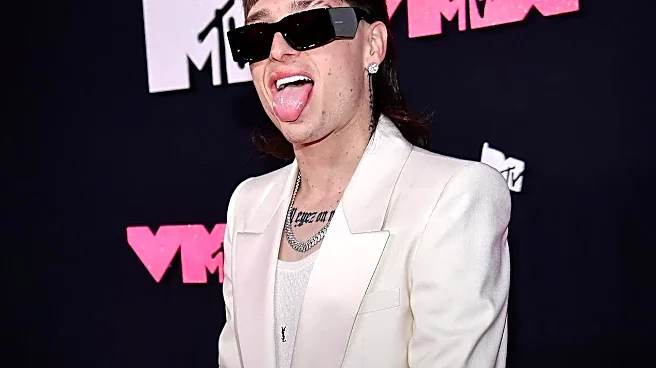
The narrative that fewer people are watching the VMAs is technically true, but only if you limit the definition of “watching” to a scheduled cable broadcast. In 2026, the VMA experience isn't a three-hour television event; it's a 72-hour cultural takeover.
The show's value is no longer in the number of households tuned in live, but in its ability to dominate the digital conversation. The audience has simply migrated from the living room couch to the second, third, and fourth screens in their hands. The true “broadcast” happens across TikTok, X (formerly Twitter), Instagram, and YouTube, where key moments are clipped, shared, and memed into oblivion within seconds. For MTV's parent company, Paramount, this isn't a problem to be solved; it's a strategy that's been embraced. By simulcasting the show across network television, MTV, and streaming services like Paramount+, they cater to every type of viewer, from the traditionalist to the cord-cutter.
An Engine for Viral Moments
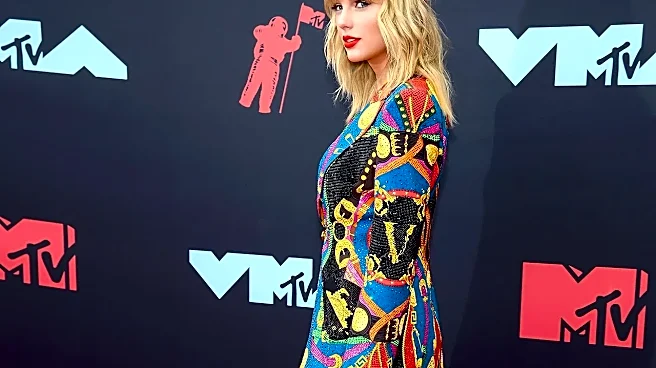
More than any other awards show, the VMAs are engineered for virality. They have always been the messy, unpredictable younger sibling to the buttoned-up Grammys. That chaos is now its most valuable asset. Think of iconic moments from VMA history: Kanye interrupting Taylor, Britney with the snake, Nicki Minaj asking, “Miley, what’s good?”. These weren't just watercooler moments; they were the proto-memes that set the template for modern internet culture. Today, the show is a factory for this content. A surprise performance, an unscripted interaction between stars in the audience, or a bold political statement on stage is guaranteed to become the internet's main character for the next 48 hours. This online engagement is a powerful metric of success that linear ratings simply cannot capture, representing a massive, engaged audience that advertisers are desperate to reach.
The Kingmaker Stage Still Matters
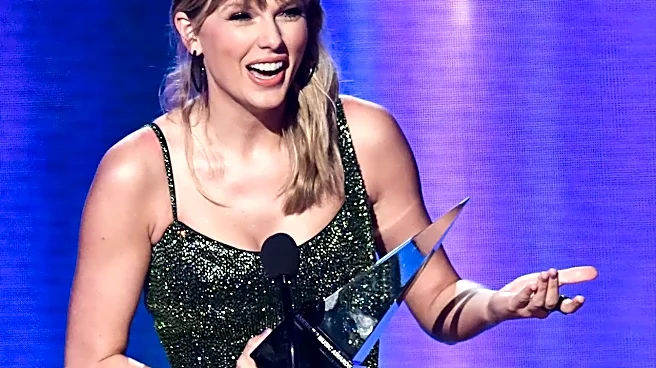
While a TikTok hit can launch a career, the VMA stage is where an artist solidifies their place in the pop culture stratosphere. For a new artist, a nomination or a performance on the VMA stage provides a level of institutional validation that streaming numbers alone cannot. For an established superstar, it's a platform to reinvent their image, launch a new musical era, or deliver a legacy-defining performance. Think of Taylor Swift announcing her Midnights album during her acceptance speech—a moment that sent shockwaves through social media and dominated news cycles. Or a rising star like Chappell Roan using her performance to deliver a powerful message, ensuring it becomes one of the night's most talked-about highlights. This power to create career-defining moments ensures that artists—and their powerful management teams—still view the VMAs as an essential stop on the road to global domination.
The New Economics of Attention
Ultimately, the VMAs remain valuable because MTV and Paramount have figured out how to monetize attention, not just broadcast hours. The modern VMA business model is a multi-pronged machine. It includes traditional TV ad spots, but its real strength lies in digital sponsorships, branded content with social media influencers, and innovative revenue streams. For example, recent partnerships with AI shopping platforms allow viewers to purchase celebrity looks in real-time, turning the red carpet into a live, interactive storefront. This directly ties the show's cultural influence to e-commerce, creating a new and lucrative source of income that has nothing to do with Nielsen ratings. By treating the VMAs as a tentpole event that generates a massive gravitational pull of attention, Paramount can sell access to that attention to brands in a myriad of ways, far beyond the confines of a 30-second commercial.