



The Months-Long Master Plan
The seamless changeovers seen at the iHeartRadio Music Festival aren't improvised; they are the result of months of meticulous planning. Long before the first guitar is plugged in, a production team coordinates with every artist on the bill to get their
technical specifications, or 'advance'. This document is the blueprint for everything, detailing stage plots, equipment needs, lighting cues, and sound requirements. Think of it like a massive, complex puzzle where every piece—from a specific microphone to an entire drum kit—is mapped out. Large-scale events like this operate more like major television productions than simple concerts. This pre-production phase is critical, as it allows the stage manager to choreograph the entire show, identifying potential bottlenecks and figuring out how to move tons of gear on and offstage in a compressed timeframe.
A Symphony on Wheels
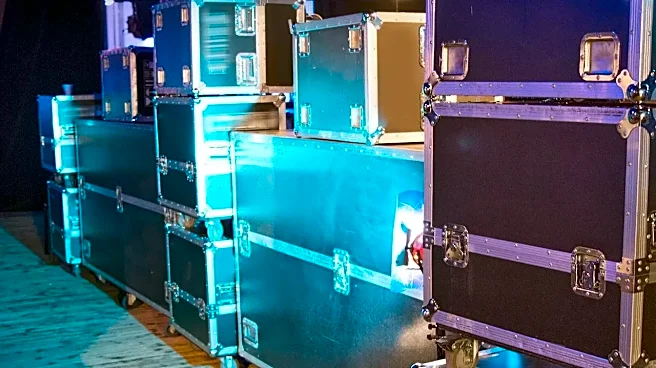
The most crucial tool in the rapid-changeover arsenal is the rolling riser. Essentially a stage on wheels, these platforms allow crews to pre-set an artist's entire backline—drums, keyboards, amplifiers, and more—in a backstage or side-stage area while another band is still performing. Once the current act finishes, their equipment is rolled off, and the next act's riser is wheeled into position, ready to be plugged in. What looks like a frantic scramble to the audience is actually a highly organized swap of large, pre-built components. Drummers, in particular, benefit from this system, as their complex kits can be assembled on an 8x8 wheeled platform and simply rolled into place without the painstaking process of setting up each piece on the main stage. This modular approach is the secret to turning a potential 45-minute changeover into a sub-15-minute transition.
The Pit Crew of Rock and Roll
While rolling risers provide the hardware, it's the human element that executes the plan under immense pressure. On show day, hundreds of people work behind the scenes, from production managers to security. The key figure in the changeover is the Stage Manager, who acts as the on-the-ground director for everything happening on and around the stage. They are responsible for ensuring artists are on time, sets don't run long, and the technical crew hits their cues. Supporting them is a legion of stagehands, the unsung heroes who do the physical work of moving gear. This crew functions like a Formula 1 pit crew, with each member having a specific role. There are audio engineers managing the patch switches for sound, lighting technicians programming cues, and backline techs ensuring every instrument is ready to go. This specialized army ensures that when one band unplugs, another is ready to plug in almost instantly.
The Language of the Show
Flawless execution in a loud, chaotic environment is impossible without crystal-clear communication. The entire backstage operation is connected via a network of headsets, allowing the show caller and stage manager to give real-time instructions to every department simultaneously. They might be cueing the lighting board operator, telling the video team to roll a graphic, and directing a crew to move a riser, all within the same few seconds. This constant flow of information ensures everyone is on the same page and can react instantly to any unexpected issues. A delayed changeover can create a domino effect, throwing off the entire festival schedule and impacting broadcast timings. The success of an event the size of the iHeartRadio Music Festival depends entirely on this hidden nervous system, making sure every moving part is perfectly synchronized.