
The Last Great Spectacle
Our media consumption is more fragmented than ever. We live in personalized bubbles, served by algorithms that ensure we only see what we already like. In this landscape, a massive, live, televised event that everyone talks about at once is an increasingly
rare and valuable commodity. The VMAs are no longer just an awards show; they're a cultural campfire. It’s one of the few nights a year where the entire pop culture world—from superstar artists to niche fandoms and casual viewers—gathers around the same digital hearth. The show's recent move to broadcast on CBS in addition to MTV and Paramount+ has only amplified this reach, giving it its biggest audience in years. This year, a performance from Madonna to open the show for the first time in 23 years, Snoop Dogg hosting, and a Video Vanguard Award for Nirvana created a gravitational pull that algorithms can't replicate.
From Discovery Engine to Legacy Builder
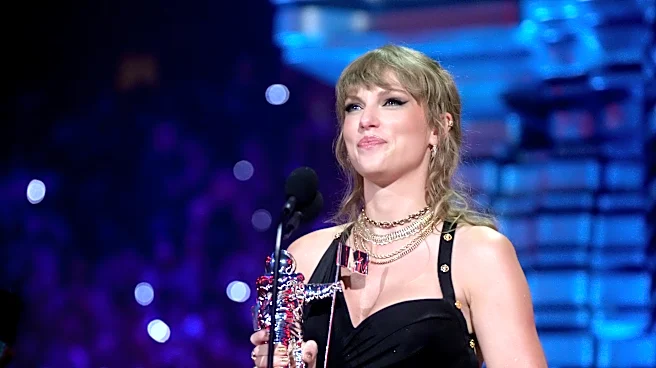
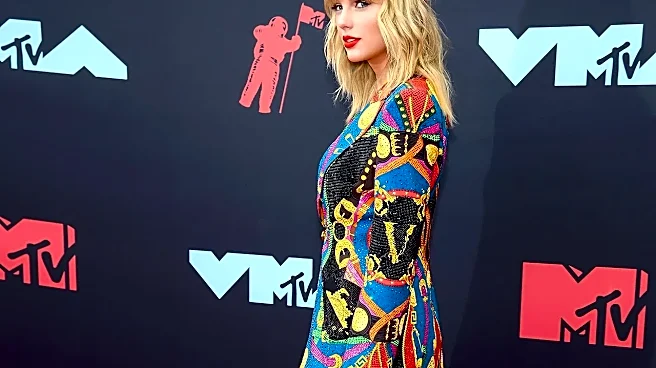
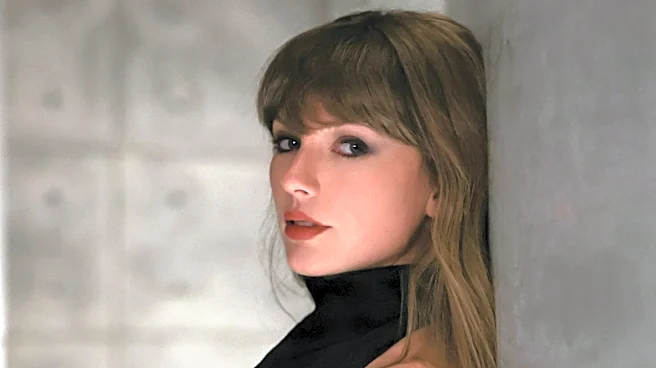
There was a time when the VMAs made stars. A wild performance or a shocking win could launch a career into the stratosphere. Today, that discovery happens on TikTok, YouTube, and Spotify. An artist like Best New Artist nominee Sienna Spiro or the K-pop group CORTIS likely builds a massive following online long before they get a VMA nod. So, what's the show's new job? It’s not about discovery; it's about coronation. The VMA stage is where an established or rising star proves they belong in the pantheon. It’s where they create a “moment” that transcends their existing fanbase and enters the broader cultural lexicon, following in the footsteps of iconic performances by Michael Jackson or Britney Spears. This year, Taylor Swift receiving the first-ever Artist Director Honors isn't about finding a new audience—it's about cementing her legacy as a visual artist.
The TikTok-to-Stage Pipeline
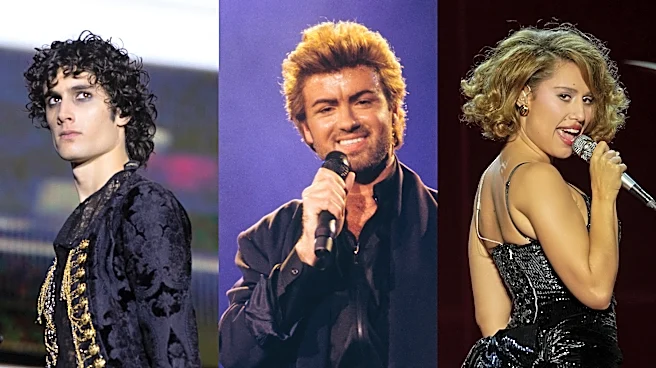
Instead of competing with TikTok, the VMAs have wisely chosen to co-opt it. The show now functions as the final validation for online trends. A song that goes viral in dance challenges all year finds its ultimate form when performed live on the VMA stage. Look at the lineup: it’s a mix of titans like Madonna and Taylor Swift alongside artists who thrive in the digital space, like GENER8ION and Yung Lean, who brought their viral dystopian collaboration "Storm II" to the stage. Artists who build their careers on platforms that reward short, repeatable content see the VMAs as a place to showcase their depth and artistry on a grand scale. A VMA performance is a signal that you've graduated from being a viral sensation to being a fixture in the industry.
Fueling the Reaction Economy
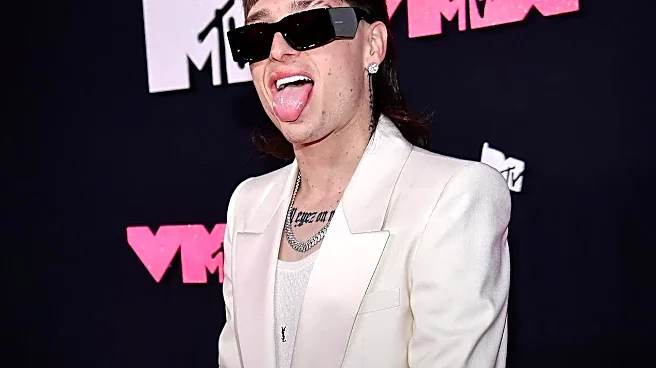
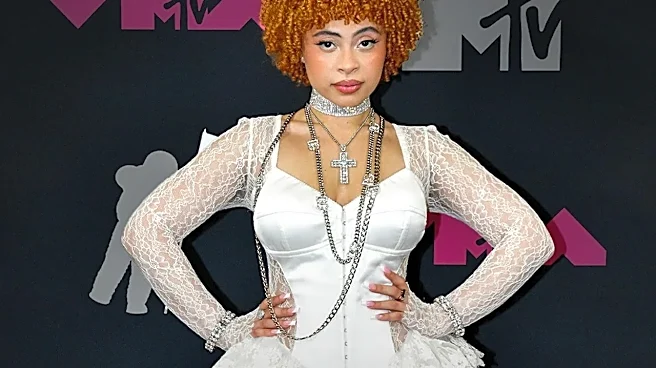
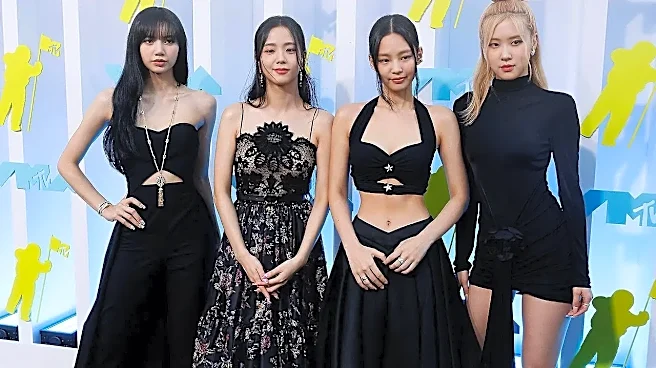
The VMAs don't end when the broadcast is over; that’s when their second life begins. The show's most crucial role in 2026 may be as a content factory for the rest of the internet. Every surprising win, awkward crowd reaction, and stunning red-carpet look is instantly clipped, shared, and turned into a meme on TikTok and X (formerly Twitter). The show is practically designed to be dissected. This online discourse isn't a byproduct of the show; it is the show's modern measure of success. In an era driven by engagement, an event that can dominate the conversation for days across multiple platforms is more powerful than ever. The linear TV ratings are just one small part of a much larger story about cultural impact.