






The Divine Cheat: Diego Maradona (1986)
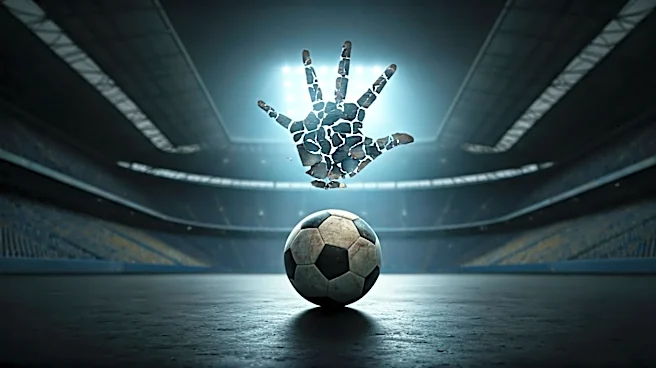
In the pantheon of sports villainy, few acts are as brazen or as famous as Diego Maradona’s “Hand of God.” It was the 1986 quarter-final between Argentina and England, a match already simmering with tension from the Falklands War. Fifty-one minutes in,
with the game scoreless, Maradona chased a looping ball into the English penalty area. As goalkeeper Peter Shilton came out to punch it clear, the 5’5” Maradona leaped and, with a subtle flick of his left fist, knocked the ball into the net. The referee, unsighted, awarded the goal. While English players furiously protested, Maradona celebrated, later claiming the goal was scored “a little with the head of Maradona and a little with the hand of God.” The genius of his villainy was what happened next: just four minutes later, he scored arguably the greatest goal in history, a dazzling solo run that sealed his complicated legacy as both a cheat and a deity.
The Sacrificial Foul: Luis Suárez (2010)
If Maradona’s act was sly, Luis Suárez’s was a desperate, blatant sacrifice for his country. In the final minute of extra time in the 2010 quarter-final, Uruguay and Ghana were tied 1-1. A frantic scramble in the Uruguayan box saw a goal-bound header from Dominic Adiyiah heading for the net. With his goalkeeper beaten, Suárez, standing on the goal line, instinctively palmed the ball away like a volleyball player. It was an undeniable red card and a penalty for Ghana. As Suárez walked off in tears, Ghana’s Asamoah Gyan stepped up with a chance to send an African nation to the semi-finals for the first time ever. He smashed the penalty against the crossbar. Uruguay went on to win the subsequent shootout, and Suárez, the villain who should have cost his team, was suddenly a national hero. He celebrated wildly on the sideline, cementing his reputation as a player who would do absolutely anything to win.
The Tragic Exit: Zinedine Zidane (2006)
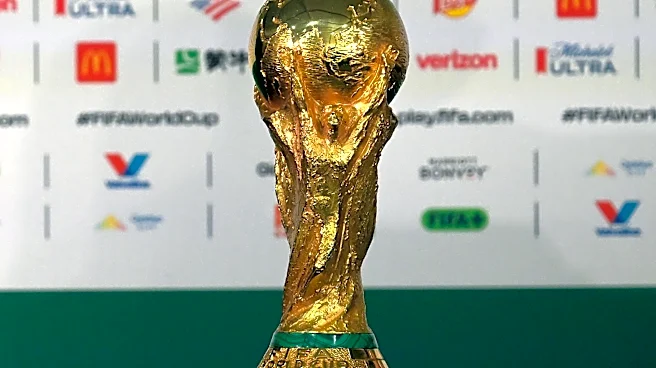
This wasn’t just an act of villainy; it was a Shakespearean tragedy played out on the world’s biggest stage. Zinedine Zidane, the elegant French maestro, had already announced his retirement. The 2006 World Cup Final against Italy was his last-ever professional match. He had already scored an audacious chipped penalty early on. But in the 110th minute of extra time, with the score tied 1-1, Italian defender Marco Materazzi was seen chirping at him. Zidane began to walk away, but something snapped. He turned, jogged back, and violently headbutted Materazzi in the chest, sending him crashing to the ground. The referee, after a consultation, showed Zidane a red card. The last image of one of the greatest players of his generation was him walking past the World Cup trophy, banished from the field. France went on to lose the penalty shootout, and Zidane’s final act became a shocking, inexplicable moment of madness that still fascinates and confounds fans.
The Original Brute: Harald Schumacher (1982)
Long before the high-definition replays that immortalize modern fouls, there was West German goalkeeper Harald “Toni” Schumacher. In the 1982 semi-final against France, French substitute Patrick Battiston was played through on goal. As he chipped the ball towards the empty net, Schumacher charged out not for the ball, but for the man. He launched himself into the air, twisting his body and smashing into Battiston with his hip and elbow. The collision was sickening. Battiston was knocked unconscious, lost two teeth, and suffered cracked vertebrae. Incredibly, the referee didn't even award a foul, let alone a card. Schumacher, unconcerned, impatiently waited to take the goal kick. West Germany eventually won on penalties, with Schumacher saving two. His brutal, unpunished assault remains one of the most shocking moments in World Cup history, a raw display of physical intimidation that defined an era.