
1. Designing for the Burn
Most art is built to last. At Burning Man, many of the most iconic, monumental structures are designed with their own destruction in mind. Knowing that a piece like the Temple will be ceremonially burned
at the end of the week changes everything. It’s a philosophy of impermanence that imbues the art with a sense of urgency and release. An LED wall is designed for reuse; a temple built of wood is designed for a single, magnificent, and communal moment of letting go. This finite lifespan makes the experience more present and precious.
2. Radical Interactivity Over Passivity
A giant screen demands you watch it. Burning Man art asks you to participate in it. The event’s organizers prioritize interactive art that transforms attendees from spectators into active contributors. You don't just look at a sculpture; you climb it, pull its levers, or become part of its light show through your own movement. This ethos turns the entire city into a playground, where the experience is co-created by everyone there. It’s the difference between being entertained and becoming the entertainment.
3. The Absence of a Main Stage
Commercial festivals are built around a focal point: the main stage where headliners perform. Burning Man deliberately has none. Instead, spectacle is decentralized across hundreds of theme camps, art cars, and spontaneous performances. One moment you’re at a camp with a functional steam sauna, the next you're dancing to a DJ on a three-story mobile dragon. This lack of a central hierarchy encourages exploration and serendipity, ensuring no two people have the same experience. It values the collective effort over a top-down, pre-programmed show.
4. The Playa as Negative Space
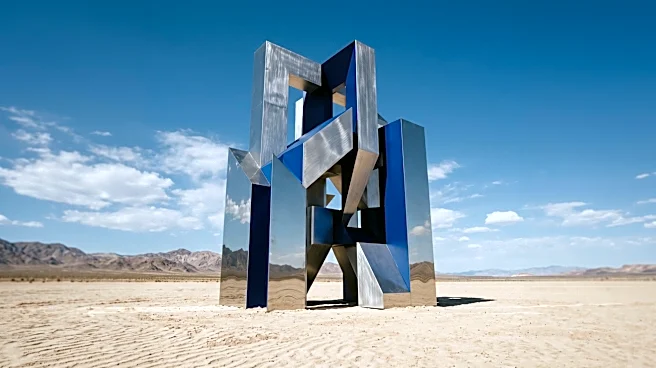
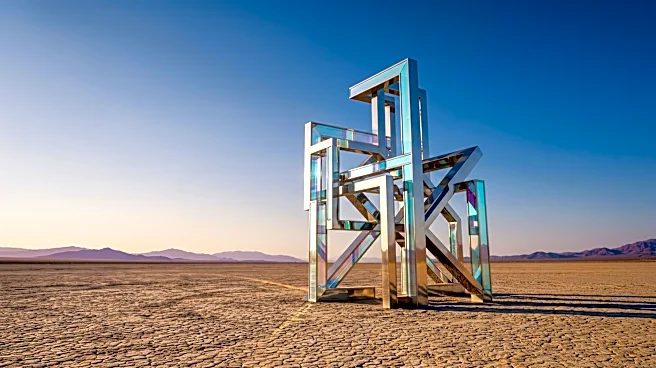
The vast, empty canvas of the Black Rock Desert is perhaps the most important design element of all. Against the stark, flat alkaline earth, every object, every light, and every person becomes a deliberate figure in a massive composition. An LED wall fights for attention in a sea of stimulation. Out on the deep playa, a single, strange sculpture can feel like a profound discovery. This use of negative space makes art feel more intentional and monumental than it ever could in a crowded field.
5. Decommodification as an Aesthetic
Take a look around any major festival and you'll see logos on stages, banners in vendor villages, and sponsored “experiences.” Burning Man’s principle of decommodification means there is no advertising. Nothing is for sale except ice and coffee. This decision profoundly impacts the visual landscape. Art is created for its own sake, not to push a brand. The result is a pure, untainted aesthetic, free from the visual noise of commerce that defines almost every other large-scale gathering.
6. Material Honesty and Rawness
While technology is present, much of Burning Man’s art celebrates raw, physical materials. You’ll find massive structures made from reclaimed wood, hand-formed steel, and stone. There's a texture and honesty to these works that a screen can’t replicate. Artists often use materials that connect to the desert environment or comment on sustainability. This emphasis on tangible, often rugged, materials grounds the event in a physical reality, offering a tactile counterpoint to our increasingly digital lives.
7. The Primacy of Fire as Light
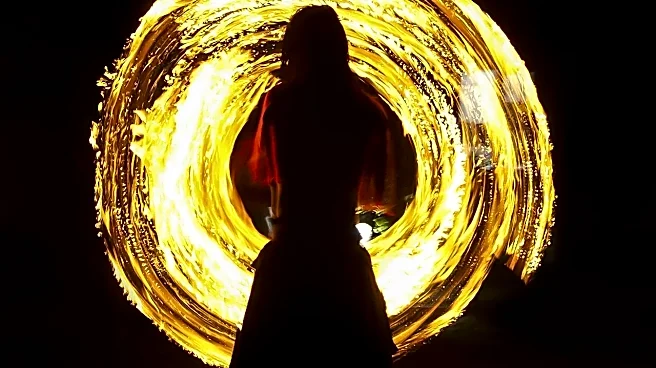
Before there were LEDs, there was fire. At Burning Man, fire is not just for burning things down; it's a primary medium for light and performance. From sculptures that shoot controlled jets of flame to performers who dance with fire, the light is alive, warm, and primal. An LED screen produces a cold, predictable light. The flicker and roar of a massive fire installation creates a visceral, awe-inspiring atmosphere that connects with something ancient within us, providing a sense of ritual and danger that manufactured light cannot touch.
8. The 'Leave No Trace' Mandate
The absolute commitment to leaving the desert pristine has a huge impact on design. Every single piece of an artwork, down to the last wood chip and screw, must be removed. This forces artists to be incredibly intentional about their materials and construction methods. It discourages disposable, flimsy designs and fosters a culture of deep responsibility. An LED wall is just another piece of gear to be packed up. Adhering to Leave No Trace is a collective, community-wide performance that is more artistically and ethically significant than any single piece of technology.