







It’s Not Just a Game, It’s an Identity
At its core, deep sports loyalty isn’t about the game itself—it’s about identity. For a World Cup fan, saying “I’m for Brazil” or “I support England” is a declaration of national pride, heritage, or chosen affinity. It connects you to a nation’s history, its triumphs, and its heartbreaks. The team is a proxy for the country. In the U.S., college sports provide the exact same function, just on a different scale. Saying “I’m a Michigan Man” or “We’re a Bama family” isn’t just about football; it’s a statement about where you’re from, where you went to school, or the values your family holds. The university becomes your nation-state. The logo on your hat is your flag. The rivalry with the school down the road is a friendly, contained border dispute.
Both fandoms are rooted in a sense of place and belonging that transcends the box score.
The Cycle of Hope and Fleeting Glory
The World Cup’s magic is amplified by its scarcity. It happens only once every four years. An entire nation’s hopes can rest on a single generation of players, a golden window that might slam shut for decades. This compressed timeline creates an incredible sense of urgency and emotional weight. A missed penalty isn’t just a mistake; it’s a national tragedy that will be debated for years. This is the exact same rhythm that governs college sports. A star quarterback or a generational point guard has, at most, four years of eligibility. That four-year window is their team’s shot at a championship. Alumni, students, and lifelong fans know that this specific group—this collection of talent—is a finite resource. The hope is intense, the pressure is immense, and the heartbreak of a championship dream dying with a graduating class feels just as profound as a nation’s World Cup exit.
Rituals, Colors, and Sacred Ground
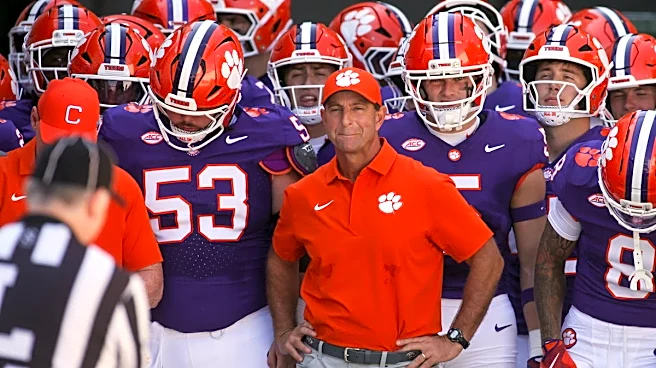
Fandom is a religion, and every religion has its rituals. A World Cup fan paints their face with the colors of their flag, gathers in a public square to watch the match on a giant screen, and sings national chants until their voice is gone. They make a pilgrimage to the host nation, treating the stadium like a holy site. Now, swap a few nouns. A college football fan paints their face with the colors of their school, gathers on campus for a multi-generational tailgate, and sings the fight song until their voice is gone. They make a pilgrimage back to their alma mater for homecoming, treating the stadium as a cathedral of shared memories. The behaviors are nearly identical. The sea of orange in Knoxville is no different from the sea of Oranje worn by Dutch soccer fans. The chants of “U-S-A!” are fueled by the same tribal energy as the roar of “Roll Tide!”
The Inherited and the Converted
Both fandoms are passed down like family heirlooms. You often support a country in the World Cup because your parents or grandparents did. Likewise, you might bleed Kentucky blue because you grew up in a household where basketball was a winter religion. This generational transfer is the bedrock of lifelong loyalty. But both phenomena also have a remarkable ability to create new converts out of casual observers. Every World Cup, millions of Americans who don't follow soccer suddenly become experts on offside traps and group stage point differentials. The national narrative pulls them in. Similarly, every March, millions of office workers who haven't watched a minute of college basketball suddenly have deeply held opinions on which 12-seed is poised for an upset. The bracket pulls them in. Both events create a powerful, temporary monoculture where everyone, for a brief moment, is speaking the same language.