



It’s About More Than Just Movies
One of the biggest hurdles for a casual moviegoer is the fear of being out of their depth. Festivals like Cannes or Toronto are built around the art and business of cinema, which can feel alienating if you can’t name-drop an obscure director. Tribeca,
however, has evolved into a true pop culture celebration. Yes, film is still at its heart, with world premieres of both indie darlings and future blockbusters. But in the same week, you can attend the premiere of a new season of a hit TV show, play unreleased video games at Tribeca Games, experience mind-bending VR and AR in the Immersive program, or listen to a talk from a creator you admire. This diversity means there’s no single “right” way to experience it. You’re not an outsider for being more excited about a video game demo than a Palme d'Or contender; you’re just having the intended experience.
The City Is Your Campus
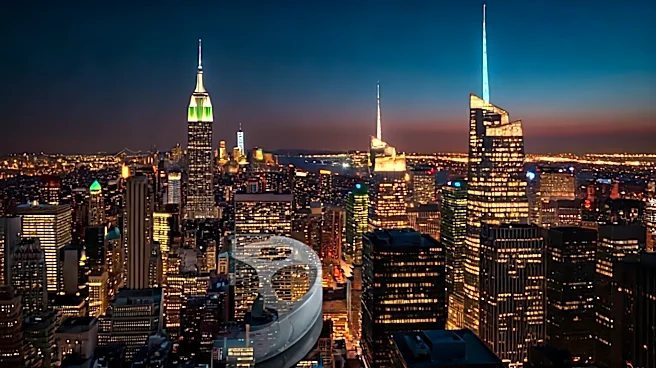
Forget being trapped in a muddy field or a single, overwhelming convention center. Tribeca uses New York City as its backdrop, spreading its screenings and events across a variety of venues primarily in lower Manhattan. One moment you might be in a state-of-the-art multiplex, the next you could be at an outdoor screening on a riverside pier or in an intimate theater for a Q&A. This de-centralized model has a huge psychological benefit: it breaks the festival into manageable, bite-sized pieces. You’re not navigating a single, crushing mass of people. Instead, you’re simply moving through different city neighborhoods, dipping into events as you please. It transforms the experience from a marathon of endurance into a journey of discovery, with plenty of opportunities to grab a coffee or a real meal between events.
You Can Go a La Carte
The financial and time commitment of a festival can be a major barrier. Many festivals push expensive, all-access passes that only make sense if you’re planning to dedicate your entire week to it. Tribeca offers a much more flexible approach. While die-hard fans can certainly purchase multi-day passes, the festival’s lifeblood is the single-ticket buyer. You can browse the schedule and decide you only want to see one specific documentary, attend one talk, and maybe check out a free outdoor event. This allows you to control your budget and your schedule completely. It’s the perfect way to dip your toes in without feeling like you’ve wasted money if you decide after one film that you’d rather spend the rest of the day exploring the city. It’s a low-risk way to sample the festival atmosphere.
The Vibe is Curious, Not Exclusive
Some festivals are industry-first events where the public feels like an afterthought. The networking is aggressive, the conversations are coded in industry jargon, and the whole affair can feel like you’ve crashed a private party. Tribeca, co-founded by Robert De Niro after 9/11 to help revitalize Lower Manhattan, has always had a more public-facing, community-oriented DNA. The audience is a genuine mix of industry professionals, passionate fans, and curious locals. The post-screening Q&As often feel more like an excited conversation than a formal press conference. The overall atmosphere is one of shared enthusiasm, not gatekeeping. People are there to discover something new, and that collective sense of curiosity makes it a warm and welcoming environment for a first-timer.
Free and Outdoor Events Abound
Perhaps the most accessible part of the festival is its commitment to free programming. Each year, Tribeca hosts a series of outdoor screenings, panel discussions, and community events that are open to the public at no cost. These events, often held in picturesque locations like Brookfield Place or on waterfront piers, are the ultimate gateway experience. They allow you to soak in the festival atmosphere, watch a classic or family-friendly film under the stars, and feel like a part of the action without spending a dime. It’s an invitation to participate that strips away all the intimidating barriers—cost, commitment, and exclusivity—leaving only the fun.