




The Ultimate Narrative Engine
A World Cup is a sprawling, 48-team, month-long epic. It can be hard to find a narrative thread. But the veteran’s quest provides an instant, universal storyline. It’s a simple, powerful drama: can a living legend defy time to capture the one prize that
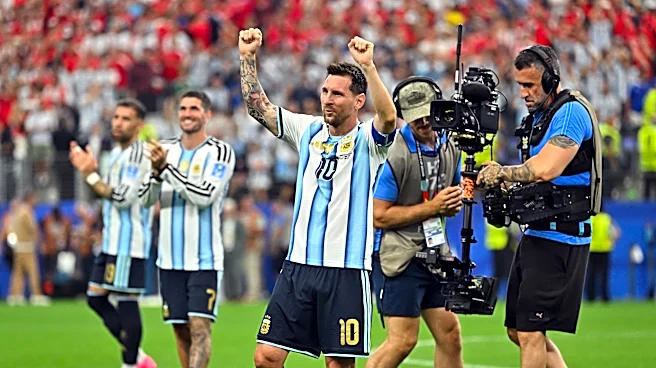
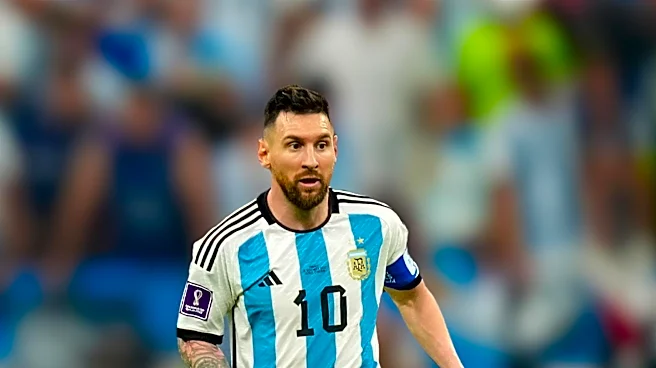
has eluded them? This narrative gives the tournament an emotional core that tactics and statistics alone cannot provide. It turns matches into chapters of a larger saga. Look at the 2026 World Cup, where a remarkable number of players in their late 30s and even 40s are competing. Figures like Lionel Messi, Cristiano Ronaldo, and Luka Modrić aren't just playing; they are carrying the weight of their legacies, and we are all invested in the outcome. This isn't their first rodeo; for Messi and Ronaldo, it is their sixth World Cup, a record in the men's game. The question of whether this is truly their final chance at the ultimate glory adds a layer of poignant drama to every match they play.
The On-Field Conductors
This isn't just about sentimentality. Veteran players have a tangible, game-altering impact. While younger players provide speed and raw energy, the elders offer something less quantifiable but arguably more crucial in high-pressure moments: wisdom. They are the on-field conductors, the players who can slow the game down, calm panicked teammates, and make the single correct decision that unlocks a stubborn defense. Their effectiveness often relies on experience, positioning, and leadership rather than pure physical explosiveness. At 40, Croatia’s Luka Modrić is a prime example. He remains the backbone of a team that reached the final and semifinals in the last two World Cups. During Croatia's 2-1 win over Ghana to secure a spot in the knockout rounds, Modrić delivered the game-winning assist, becoming the oldest player in World Cup history to do so. His ability to manage the game's pace and influence the locker room is a key asset.
The Bridge to Soccer History
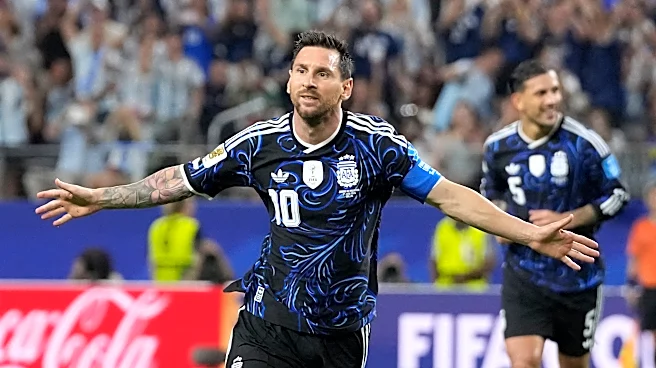
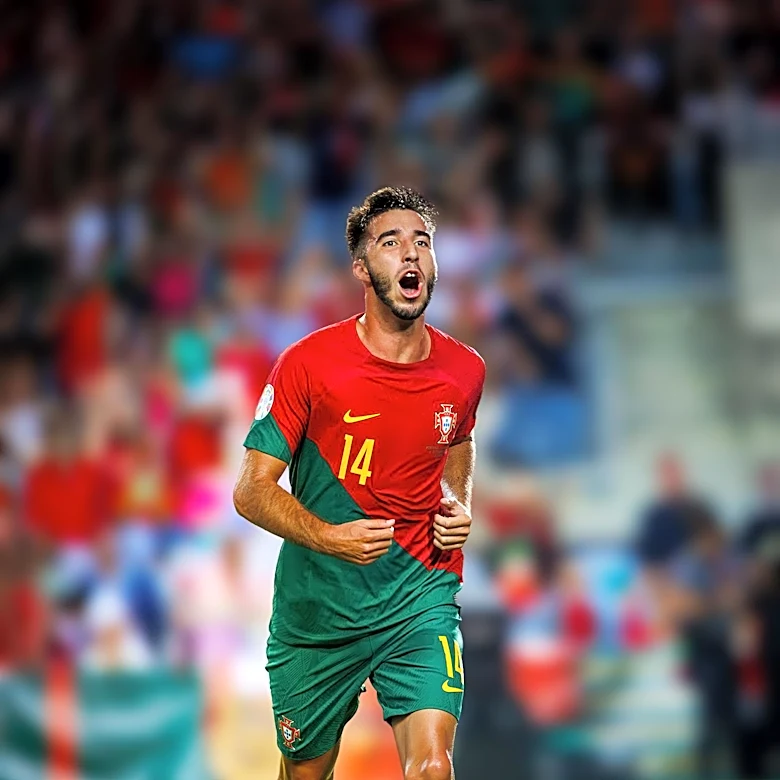
These players serve as a living bridge to the sport's recent past. When you watch Cristiano Ronaldo score for Portugal, you're not just seeing a goal in 2026; you're seeing the culmination of a journey that began at the 2006 World Cup. At 41, he just became the first player in history to score in six different World Cups. His two goals against Uzbekistan also saw him pass the legendary Eusébio as Portugal's all-time top scorer at the tournament. Watching him is like watching a walking, scoring history book. Similarly, seeing Lionel Messi, now 39, find the net for Argentina connects us to his entire, storied career. He is currently the top scorer at the 2026 tournament and recently became the first player to score in seven consecutive World Cup matches. These players carry the stories of previous tournaments with them, enriching the present with a sense of depth and consequence.
The Final Crusade Defines the Cup
Ultimately, the veteran’s last stand often comes to define a tournament. Think of Zinedine Zidane in 2006, whose improbable run to the final and shocking headbutt became the competition’s enduring memory. The entire arc of the 2022 World Cup was framed around Messi's quest to finally win it. Here in 2026, we have it again with multiple legends. While Messi already secured his World Cup in Qatar, the chance to win a second puts him in a category beyond even Diego Maradona. For Ronaldo, this is surely his last opportunity to capture the one major trophy that has always eluded him. These personal crusades provide stakes that feel higher than a single game. They are about cementing a legacy, about one final, defiant roar against the dying of the light. Their presence transforms a sporting event into something more resonant: a story about time, mortality, and the chase for one last moment of immortality.