






The 'Auntie and Niece' Blueprint
At its heart, the Essence Festival of Culture operates on a simple but powerful premise: create an event where multiple generations of Black women feel not just welcomed, but centered. The musical lineup is the most visible example of this strategy. One
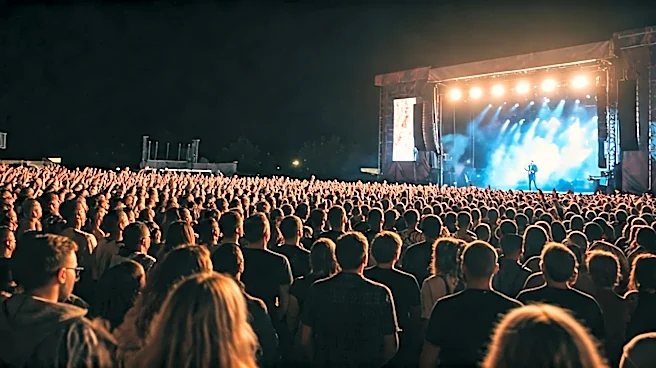
night, a legacy act like Patti LaBelle or George Clinton & Parliament-Funkadelic commands the stage, drawing in attendees who grew up on their music. [1, 8] The next, contemporary superstars like Cardi B and Latto make their festival debuts, attracting a younger, social-media-savvy crowd. [2, 7] By booking artists who defined different eras—from 90s R&B icons Brandy and Monica to modern stars like Kehlani and Leon Thomas—Essence ensures that there is a primary draw for nearly every age group. [7] This isn't just about nostalgia; it's about creating shared cultural touchstones in real-time, where different generations can introduce their heroes to each other under the same roof.
More Than Music: A Marketplace of Culture
The strategy extends far beyond the Superdome concerts. During the day, the Ernest N. Morial Convention Center transforms into a massive, free hub of culture and commerce explicitly designed for a wide demographic. [4] Here, the intergenerational appeal becomes even clearer. There are panels on financial literacy and entrepreneurship for those building careers and wealth, alongside conversations with digital creators and podcasters for the next generation of media moguls. [4, 11] Brands like Disney and Prime Video host activations showcasing multigenerational storytelling. [4] There are pavilions focused on beauty, wellness, and social impact, offering everything from makeup tutorials to discussions on community activism. [4, 11] This daytime programming provides a crucial second layer to the festival. It fosters connection and shared experience outside of music, allowing families to engage with topics that resonate across age brackets, from health to economic empowerment.
The Economic Engine of Nostalgia and Novelty
From a business perspective, this dual-focus approach is incredibly effective. The festival's ability to attract a wide age range makes it a powerhouse, generating an estimated economic impact of over $300 million for New Orleans annually. [3, 4] Legacy acts attract a reliable, established audience with significant spending power. Surveys show the average attendee is 44 years old, a demographic often with more disposable income for travel, hotels, and merchandise. [9, 17] At the same time, booking current chart-toppers and rising social media stars ensures the festival’s future. It prevents the brand from aging out and continuously refreshes its audience base, capturing new fans and their spending habits. This broad appeal is also a magnet for sponsors, who see an unparalleled opportunity to connect with a diverse and deeply engaged cross-section of the Black female consumer market under one roof. [11]
Curating Community, Not Just a Lineup
Ultimately, what other festivals might view as a complex booking challenge, Essence sees as its core mission. Dubbed a “party with a purpose” since its inception, the event was founded to celebrate Black culture and the readers of Essence magazine. [5, 18] That purpose has evolved into fostering a sense of community and cultural inheritance. By intentionally creating a space where a grandmother who saw Patti LaBelle in her prime can dance alongside her granddaughter who follows Latto on TikTok, Essence does more than sell tickets. [2, 5] It facilitates a cultural hand-off. The festival becomes an annual pilgrimage, a family reunion where traditions are shared, new music is discovered together, and the bonds of community are strengthened. This focus on community, rather than just consumption, is the secret ingredient that turns a music festival into an enduring cultural institution.