
The Armor We Expect
Visual storytelling has its own language, and for decades, the grammar of danger has been straightforward. Heroes and villains alike have been defined by their wardrobes. Heroes often wear practical, simpler
attire, while villains are coded with aggressive, dramatic, and often darker costumes. Think of Darth Vader’s imposing black armor or the Wicked Witch of the West’s stark, dark dress. This visual shorthand is efficient; it tells the audience who to fear before a character even speaks a line. This 'armor,' whether literal or figurative, signals aggression, a readiness for conflict, and a conscious projection of power. It meets our expectations, creating a world where the lines between good and evil are clearly drawn in fabric and form.
The Unsettling Power of Pink
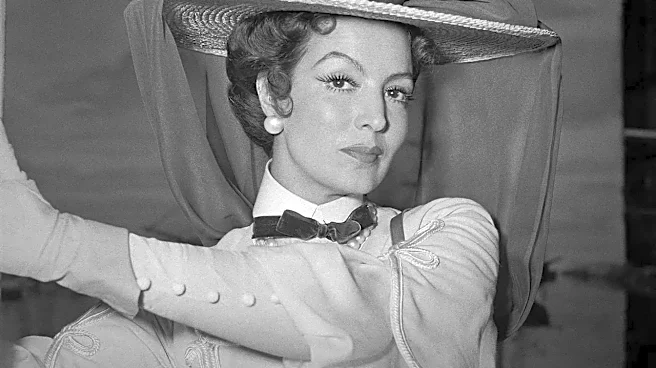
Then there are characters like Dolores Umbridge from 'Harry Potter'. Dressed head-to-toe in fluffy, girlish pink, her office adorned with decorative kitten plates, she is the visual opposite of a threat. Yet, she is widely considered one of literature's most hated villains. This is where the psychology gets interesting. Her sweet, prim aesthetic creates a jarring cognitive dissonance. We associate these soft, pastel visuals with nurturing and innocence. When they are paired with cruelty and sadistic control, it feels like a violation of a fundamental rule. Her evil isn't just an action; it's a perversion of everything her appearance promises. The costume designers on the films leaned into this, making her pink outfits progressively darker and more saturated as her power and cruelty grew, physically reflecting her oppressive nature.
The Apex Predator in Cashmere
This trope isn't just for fantasy. Take two of television's most formidable patriarchs: Tony Soprano and Logan Roy. While Tony had his share of leather jackets, his moments of quiet menace often came while he was in a state of domestic comfort—shuffling around in a bathrobe or a casual polo shirt. His mother, Livia Soprano, was even more subtly terrifying, wielding immense psychological power from the comfort of her housecoats and simple dresses. These weren't the outfits of a mob boss on the street but of untouchable figures in their private sanctums. Similarly, Logan Roy of 'Succession' spends much of his time in luxurious, soft-knit sweaters and shawl-collared cardigans. This choice signifies that he is the one character who has the luxury of being comfortable. His power is so absolute that he doesn't need to project it with a suit; his presence alone controls the room. The softness of the fabric—often expensive cashmere—becomes a sign of ultimate status: power that needs no proclamation.
The Danger of Disarming
Ultimately, dressing a powerful character in soft clothing is a masterstroke of psychological manipulation. It weaponizes our expectations. By presenting a threat in a disarming package, storytellers make the eventual reveal of their true nature far more impactful. The 'wolf in sheep's clothing' is a classic trope for a reason: the danger you don't see coming is always the most potent. These characters feel more real and, therefore, more terrifying. They aren't cartoon villains; they are the quietly controlling boss, the manipulative family member, the bureaucrat whose evil is cloaked in politeness. Their soft clothing isn't a sign of weakness; it’s the camouflage of a predator who is so confident in their position at the top of the food chain that they don't even need to show their teeth.