




A Century of Bad Blood
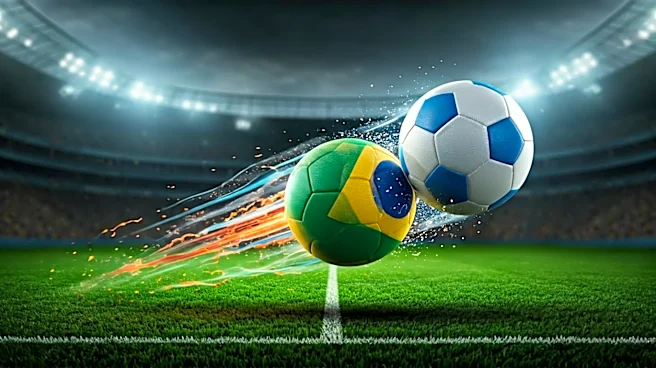
To understand Brazil versus Argentina, you have to go back to the beginning. Their first match was in 1914. Since then, they’ve played over 100 times in what's known as the Superclásico de las Américas. This isn't just about winning games; it’s a rivalry
so intense that FIFA has called it the "essence of football rivalry." It has been marked by periods where the teams refused to play each other for years due to on-pitch violence and fan riots. The conflict is rooted in a battle for South American supremacy that started long before soccer, involving cultural, political, and even linguistic differences—Brazil's Portuguese-speaking, African-influenced culture versus Argentina's Spanish-speaking, European-influenced identity. Football didn't create the tension; it just gave it a global stage.
Art vs. Grit: A Clash of Philosophies
At its heart, the rivalry is a beautiful contrast of styles. Brazil is famous for joga bonito—the beautiful game. It’s a philosophy built on free-flowing, creative, and expressive play where individual flair and joy are paramount. Think of the rhythmic, almost dance-like quality of players like Pelé, Ronaldinho, and Neymar. It’s about winning, but also about winning with style. Argentina, on the other hand, is known for garra, a term that loosely translates to grit, claw, and tenacity. Their style is passionate, physical, and tactically astute, valuing a never-say-die attitude. It’s about winning at all costs, embodied by players who combine sublime skill with a street-fighter’s mentality. This clash of footballing identities—the artists against the warriors—makes every encounter a fascinating tactical and emotional battle.
The Battle of Gods: Pelé vs. Maradona
You cannot talk about this rivalry without mentioning its two patron saints: Brazil's Pelé and Argentina's Diego Maradona. For decades, the debate over who was the greatest player of all time was a proxy war for the national rivalry itself. Pelé was the polished, prolific goal-scorer who won an unmatched three World Cups and became a global ambassador for the sport. Maradona was the flawed, rebellious genius whose individual brilliance single-handedly dragged Argentina to World Cup glory in 1986. Their personalities were as different as their nations' playing styles: Pelé the establishment figure, Maradona the anti-establishment hero. Even after their playing days, they traded public barbs, keeping the feud alive. This personal rivalry cemented the narrative: every match was a chance to argue, through goals and tackles, whose legend was greater.
Iconic Moments That Became Legends
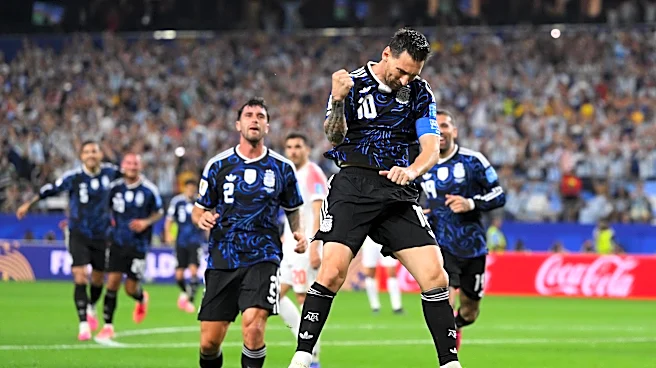
The history of this fixture is littered with moments that have entered football folklore. There was the infamous 1990 World Cup match, where Argentina’s staff was accused of giving a Brazilian player water laced with tranquilizers—a scandal later cheekily confirmed by Maradona. There was the 2004 Copa América final, where Brazil’s Adriano scored a dramatic equalizer in the 93rd minute to force a penalty shootout, which they then won. More recently, the 2021 Copa América final saw Lionel Messi finally win his first major international trophy by beating Neymar’s Brazil in their own sacred stadium, the Maracanã, with a 1-0 victory. And in 2023, Argentina handed Brazil its first-ever home loss in a World Cup qualifier, a match delayed by violent clashes in the stands. Each game adds another chapter to an epic saga.