






The Myth of 'Vintage' Means Valuable
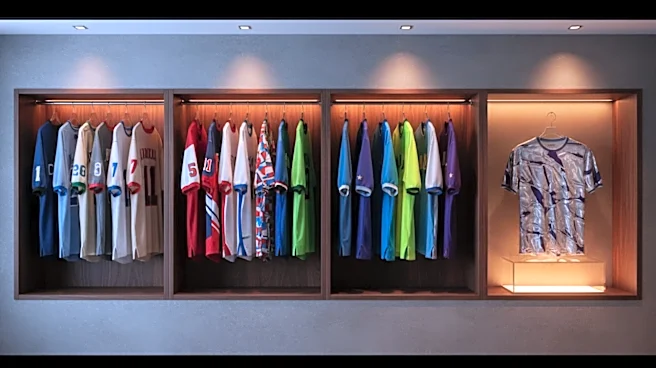
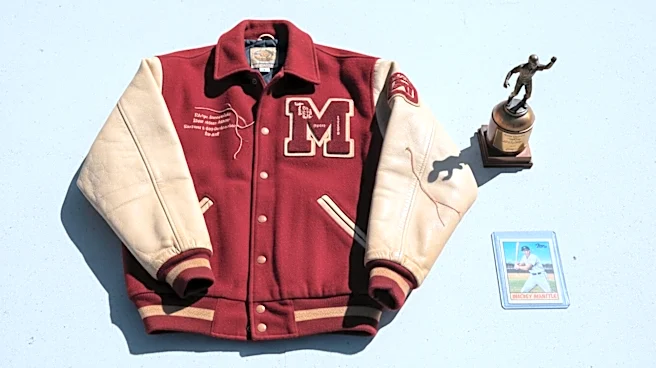
The word "vintage" gets thrown around a lot, often creating a false sense of value. In the world of collectibles, age is just one variable among many. The 1980s and '90s saw a massive boom in licensed sports apparel, with brands like Starter, Logo Athletic,
and Chalk Line producing millions of jackets. This means the satin bomber jacket you and all your friends had is likely not a one-in-a-million find. While some items from before the 1970s and '80s are inherently rarer due to less mass production, a jacket's manufacturing date is simply the starting point of its story, not the final word on its worth. Overproduction of certain items, even from a popular era, can make them worth next to nothing in the resale market.
Condition Is Non-Negotiable
Here's a hard truth: a pristine jacket from 1995 is almost always more valuable than a stained, ripped, and faded one from 1975. Collectors want items in the best possible shape. Terms like "mint," "near-mint," and "excellent" are used by graders to describe an item's state, and the financial difference between them is enormous. A faded logo, a broken zipper, frayed cuffs, or missing buttons can plummet a jacket's value, regardless of its age or historical significance. Before you get excited about an old piece, inspect it closely. Is the embroidery intact? Are the colors still vibrant? An item that looks like it just came off the rack, even decades later, is what commands top dollar.
Rarity Rules, Not Age
Scarcity is the real driver of value in the collectors' market. This isn't just about how old a jacket is, but how many were made and how many are left. A jacket from a short-lived or defunct team, like the NHL's Hartford Whalers or the NBA's Vancouver Grizzlies, can be extremely valuable because of its limited production run. The same goes for items associated with obscure players or one-off championship events. Even an error can create rarity; jackets with misprinted logos or incorrect colors can become sought-after oddities. Ultimately, the law of supply and demand governs the market: if everyone wants a specific jacket and there are very few available, the price will soar.
The Story Is the Sell
A great story, often called "provenance," can make an ordinary jacket extraordinary. Was the jacket game-worn by a famous athlete? Did it belong to a notable celebrity? Is it from a record-breaking season or a legendary championship game? Items connected to a significant moment in sports history carry an emotional weight that translates directly into financial value. A standard 1990s Chicago Bulls Starter jacket is cool, but one worn by Michael Jordan during the '96 season is a historical artifact. Documentation and authentication are crucial here; a certificate of authenticity from a reputable service like PSA/DNA can multiply an item's worth by confirming its story is true.
Team and Player Significance Still Matter
Not all teams are created equal in the vintage market. Apparel from iconic dynasties and players with massive cultural footprints consistently commands higher prices. Jackets representing Michael Jordan's Bulls, the 90s Dallas Cowboys, or the hip-hop adjacent Las Vegas Raiders have timeless appeal. Likewise, certain designs and colorways become legendary. The teal and purple of the Charlotte Hornets or the pinstripes of the Orlando Magic in the Shaq and Penny era are prime examples of 90s aesthetics that remain incredibly popular with collectors. A jacket from a beloved team during its golden era is an investment in nostalgia itself, and that's a powerful force.