


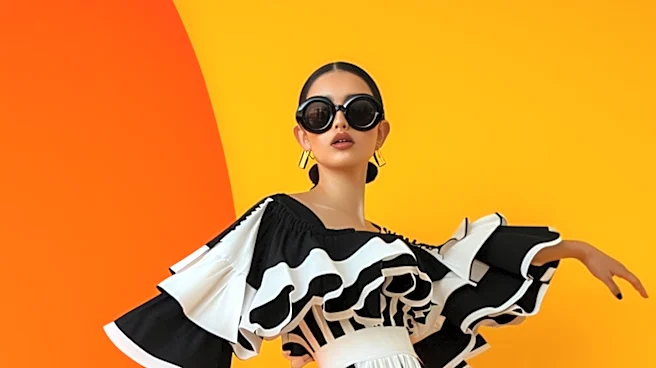


They Master the Mix of Textures
The number one rule for successful tonal dressing is that texture is everything. Without it, an outfit in a single color family can look flat or, worse, like a boring uniform. Those who get it right understand that mixing different materials creates visual
interest and depth. Think of a soft cashmere sweater paired with sleek leather pants, a smooth silk camisole under a chunky wool cardigan, or crisp denim matched with a soft suede jacket. Each fabric catches the light differently, adding dimension and sophistication. This interplay of textures is what makes the look feel intentional and luxurious rather than lazy. It proves that you're not just wearing one color; you're composing an outfit.
They Play With Varying Shades
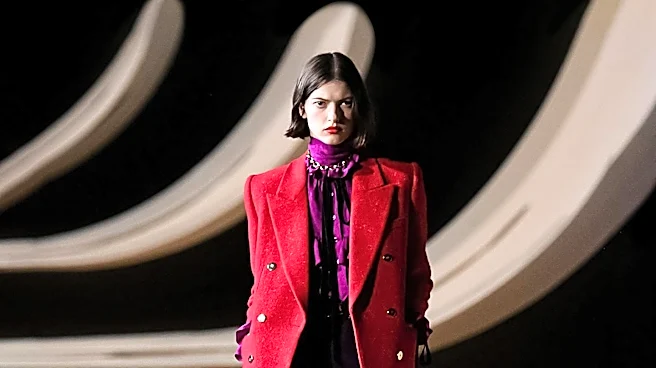
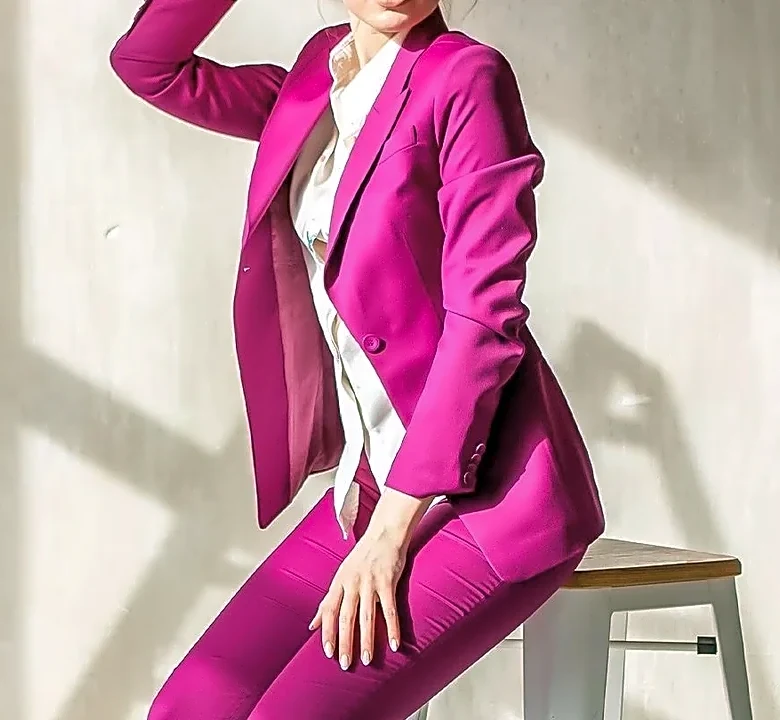
Tonal dressing is rarely about wearing the exact same shade from top to bottom. The real magic happens when you combine different tints, tones, and shades within the same color family. Imagine an outfit built around brown: it could include deep chocolate trousers, a lighter camel coat, and a creamy beige top. This subtle variation prevents the look from feeling one-dimensional and creates a harmonious, layered effect. It's a flattering technique that tricks the eye, creating a long, lean line that elongates the body. Street style stars and celebrities have mastered this, effortlessly blending hues like powder blue with navy or lilac with a deeper purple to create a look that is cohesive yet dynamic.
They Focus on Fit and Silhouette
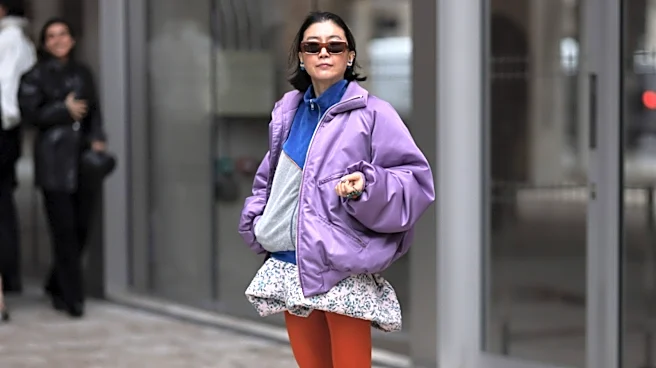
Even with the right colors and textures, a tonal outfit can fall flat if the silhouette isn't considered. The most successful looks often play with proportions to create a point of interest. This could mean pairing a voluminous, oversized blazer with slim-fitting trousers, or a cropped knit top with wide-leg pants. Playing with different lengths and layers also adds dimension to a single-hued outfit. A long coat over a shorter dress, or a sweater draped over the shoulders of another knit in the same color, adds architectural interest. The key is to ensure the overall shape is balanced and intentional, proving that the simplicity of the color palette allows the cut of the clothes to truly shine.
Their Accessories Add a Final Polish
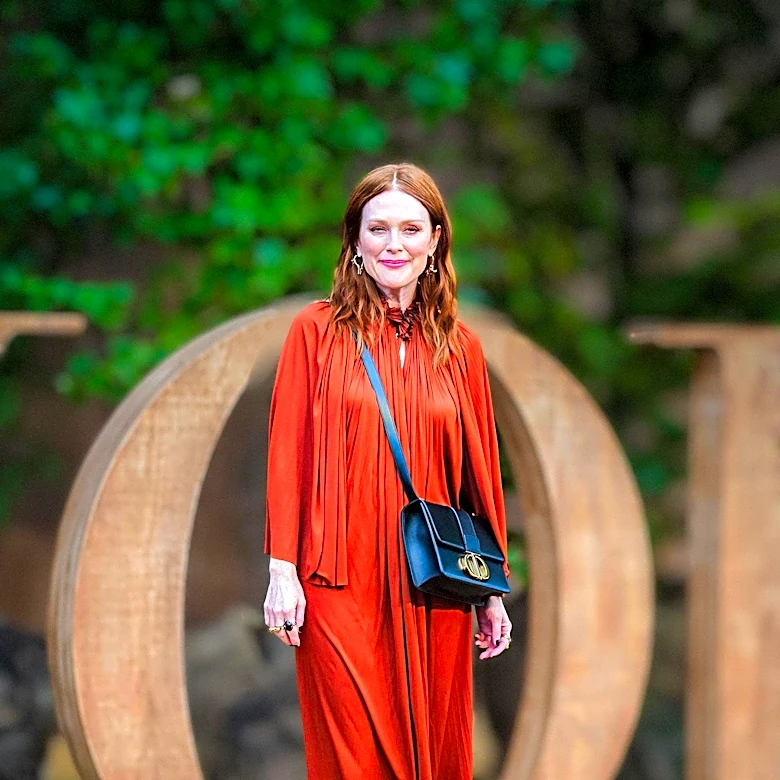
Accessories are the final, critical piece of the tonal puzzle. For a truly committed look, footwear and bags are often kept within the same color family as the clothing, creating a seamless, head-to-toe statement. However, accessories can also be used to provide a subtle contrast that elevates the entire outfit. A bold gold necklace against a cream-colored knit, a black belt to cinch a grey dress, or a brightly colored bag to pop against a neutral backdrop can provide a necessary focal point. Those who do it best know that accessories should support the color story, not interrupt it. They either blend in perfectly or stand out with purpose.
They Often Start With Neutrals
While fashion-forward celebrities might step out in head-to-toe red or yellow, the most accessible and timeless way to approach tonal dressing is by starting with neutrals. Colors like black, gray, beige, cream, and brown are incredibly forgiving and easy to work with. It’s simpler to find varying shades and textures in these classic colors, which are likely already present in your wardrobe. An all-black outfit, for example, is instantly elevated by mixing textures like denim, leather, and jersey. Building a tonal look with a neutral base is a foolproof way to appear polished and put-together with minimal effort, embodying the "quiet luxury" aesthetic that feels both modern and enduring.