


The Runway Sample: A Theatrical Dream
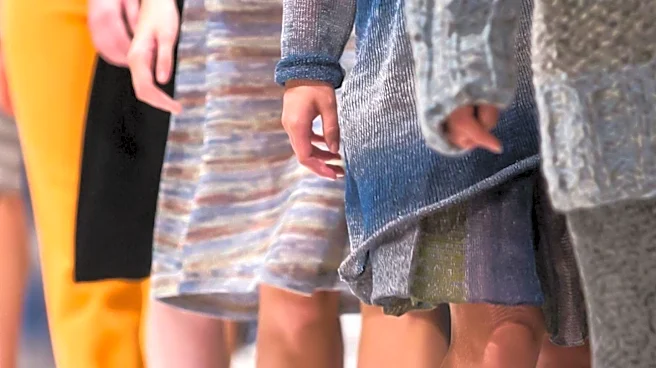
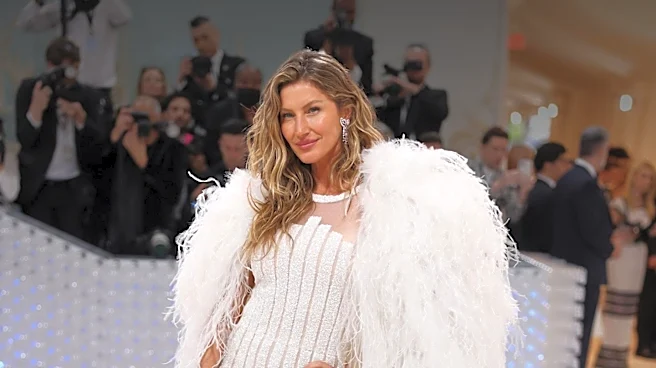
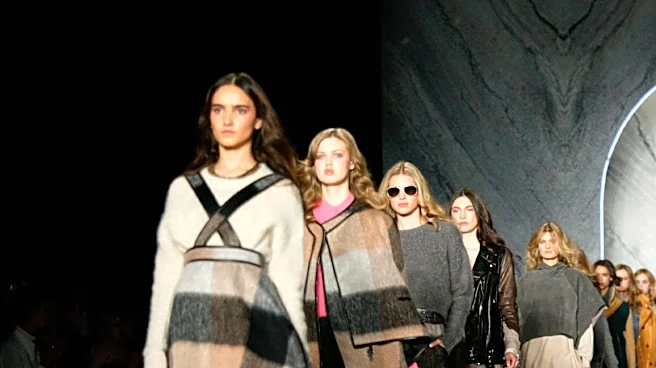
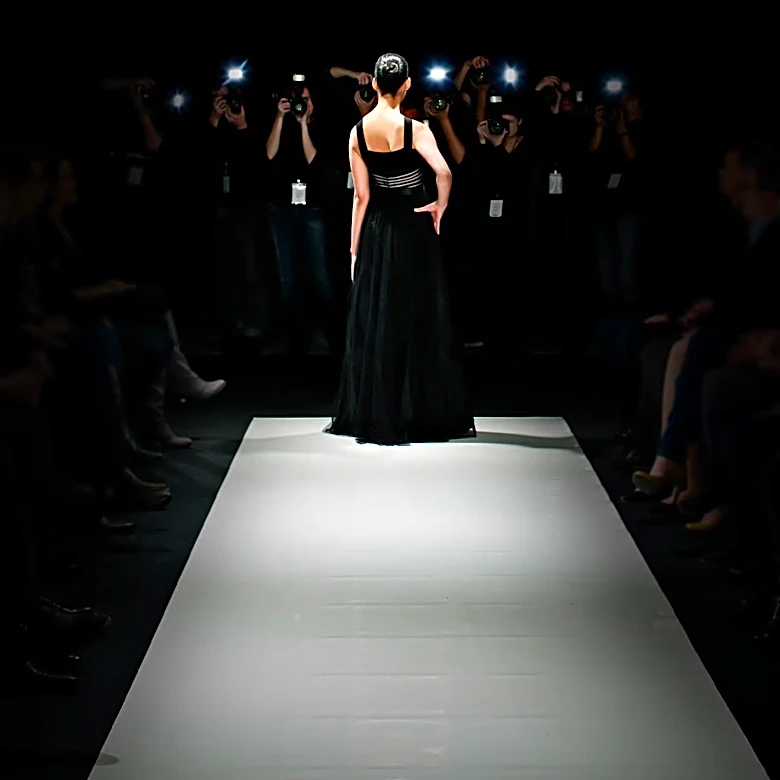
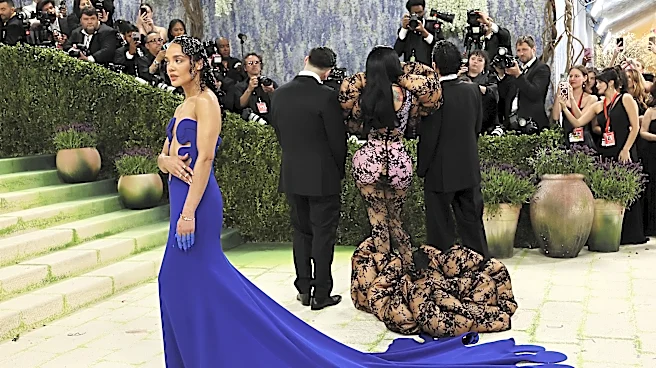
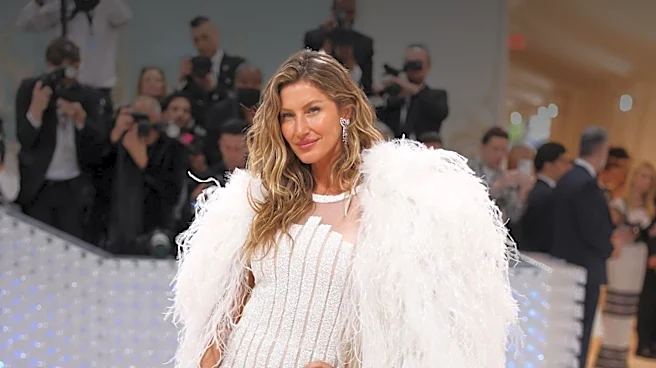
Think of the runway sample as a concept car. Its primary job isn't to be practical; it's to sell a fantasy. These garments are the purest, most undiluted expression of a designer's vision for the season. Created for a 30-second walk under dramatic lighting,
they are built to create a 'wow' moment and generate media buzz. They are typically handcrafted in-house on a single, specific model size, often using delicate, wildly expensive, or even unwearable materials that might not survive a single trip to the dry cleaner. Construction can be secondary to appearance, with some pieces literally pinned, taped, or hand-basted together moments before hitting the catwalk. A runway sample hides the compromises of commerce. Its purpose is art, not accessibility.
The Pre-Production Sample: The Reality Check
If the runway sample is the dream, the pre-production (PP) sample is the blueprint for reality. This is one of the final and most crucial steps before a factory is given the green light for a full production run. The PP sample’s purpose is to answer one question: can this garment be manufactured consistently, durably, and to specification in a factory setting? It's made with the actual fabrics, threads, buttons, and zippers intended for the final product you'll buy in a store. It’s the last chance to catch any issues in construction, fit, or materials before thousands of units are made. This sample isn't about fantasy; it's a risk-control tool, ensuring that the designer's idea can be translated into a functional, wearable, and profitable garment.
Hiding the Fit, Revealing the Grade
A runway sample hides the reality of diverse body shapes. It’s tailored to fit one specific person or a uniform 'sample size' model. It doesn't need to work for anyone else. A pre-production sample, however, reveals the 'grade'—the science of how a design is scaled across a full-size range, from extra small to extra large and beyond. The PP sample is used to confirm that the fit works on a standard size (like a medium), which then serves as the basis for creating all other sizes. This process often involves slight tweaks to proportions—a slightly wider hip, a shorter torso—to ensure the garment flatters a real-world customer, not just a 6-foot-tall model.
Hiding the Cost, Revealing the Compromise
Runway samples often feature exquisite, hand_applied embroidery, impossibly fine silks, or custom_milled fabrics that are simply too expensive or delicate for mass production. They hide the true cost of making such a garment at scale. The pre_production sample reveals the necessary and intelligent compromises. That intricate beading might be adapted into a high_quality print. An ethereal, transparent silk might be swapped for a more durable and affordable blend that offers a similar look without the fragility. This isn't about making the garment 'cheaper' in a negative sense, but making it viable. It's the step where artistic vision is balanced with the commercial need to create a product that can be sold at a specific price point.
Hiding the Flaws, Revealing the Function
A runway sample can be a beautiful illusion. Since it only needs to look good for a moment, its construction doesn't have to withstand daily life. Seams may not be fully reinforced, and materials might not be colorfast. The pre_production sample must reveal a garment's true function. It is rigorously checked for stitch density, seam strength, and whether the chosen fabric will warp or shrink in the wash. Every detail, from the label placement to the buttonhole stitching, is scrutinized to ensure it meets quality standards for a product meant to be worn, washed, and loved. It’s the final exam that guarantees the clothing is not only beautiful but built to last.