




First, What Are the Creative Arts Emmys?
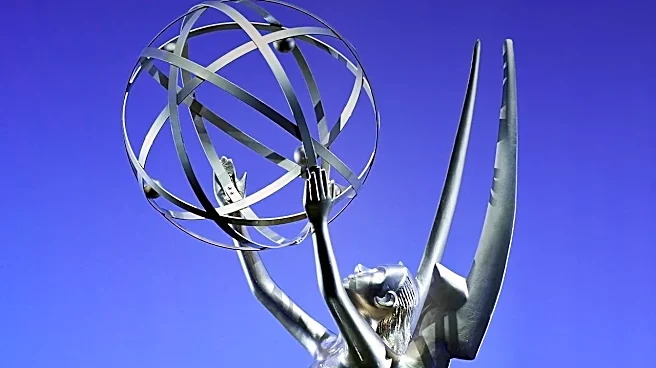
Before diving into the why, it’s important to understand the what. The main, televised Primetime Emmy Awards ceremony focuses on high-profile categories like Outstanding Drama Series, lead actors, and writing. The Creative Arts Emmys, however, are where
the vast majority of awards are given out, primarily for technical and artistic achievements. These categories honor the craftspeople who build the worlds we see on screen: cinematographers, costume designers, sound editors, production designers, and more. They also include awards for guest actors, animation, and reality programming. In short, these are the awards that recognize excellence in the foundational elements of television production.
The Power of the Purse
The most obvious factor is money. Streaming giants like Netflix, HBO Max, and Apple TV+ operate on a different financial model than traditional networks. Instead of relying on ad revenue, their success hinges on acquiring and retaining subscribers. This incentivizes massive spending on content to create a must-have library. That spending isn't just for A-list stars; it floods into every corner of production. Lavish period dramas, epic science-fiction sagas, and visually stunning fantasies demand top-tier work in costumes, special effects, and production design—the very categories celebrated at the Creative Arts Emmys. When a platform pours hundreds of millions of dollars into a show, the result is often a level of craftsmanship that broadcast networks, bound by different economic realities, struggle to match.
More Shows, More Shots on Goal
The sheer volume of content produced by streamers gives them a statistical advantage. While a broadcast network might premiere a handful of new, high-priority shows each year, a service like Netflix can release dozens. This content explosion creates significantly more opportunities to land nominations. Think of it as having more players on the field. The more series a platform produces, the greater the likelihood that some of them will feature Emmy-worthy cinematography, editing, or sound mixing. This isn’t just about quantity over quality. The streaming model allows for more risk-taking on artistically ambitious projects that might not survive on traditional television, and it's precisely these shows that often excel in craft categories.
Catering to Niche, Award-Friendly Genres
Broadcast television has historically been a game of mass appeal. Networks needed shows that could attract the broadest possible audience to satisfy advertisers. Streamers don't have that constraint. They can thrive by serving passionate niche audiences. This allows them to heavily invest in genres like high fantasy, complex sci-fi, and detailed historical fiction—genres that are playgrounds for craft artists. Shows like "A Knight of the Seven Kingdoms" or "Pluribus" can justify enormous budgets for world-building because they cater to a dedicated fanbase and signal prestige to potential subscribers. This focus on prestige, artist-driven content naturally aligns with what Emmy voters in the craft categories are looking to reward.
Blurring the Lines Between Film and TV
The rise of streaming has attracted cinematic talent to television in unprecedented numbers. Acclaimed film directors, cinematographers, and composers now move fluidly between feature films and limited series. This influx of top-tier talent has elevated the production values across the board. A limited series on a streaming platform often has the look, feel, and budget of a major motion picture. This has not only raised the bar for what is considered excellent television but has also fundamentally changed the competitive environment. When a TV show's production design is handled by an Oscar winner, it's hard for a more modestly budgeted program to compete for the Emmy in that category. This talent migration is a direct result of the creative freedom and financial resources offered by streamers.