




An Unlikely Start
Believe it or not, the midi wasn't always a beloved staple. While mid-calf lengths appeared as early as the 1920s with Chanel's simple, straight frocks, its mainstream moment arrived much later. During World War II, fabric rationing made shorter hemlines
a practical necessity, leading to the rise of elegant, knee-grazing styles that were both chic and sensible for working women. But when designers tried to enforce the midi as the successor to the rebellious mini skirt of the 1960s, there was a significant public pushback. For a time, it was seen as frumpy and unflattering. It took a while for the midi to shake off that reputation and find its footing, proving that its eventual staying power was earned, not given.
The Goldilocks of Garments
The core of the midi's enduring appeal is its 'just right' length. It offers more coverage than a mini, making it appropriate for a wider range of settings, from professional environments to formal events. Yet, it doesn’t have the occasionally cumbersome or overly dramatic feel of a full-length maxi dress. This perfect balance provides a sense of effortless sophistication and ease. It allows for movement without requiring constant adjustment, striking a chord with women who need their wardrobe to be as functional as it is stylish. The length is also famously flattering, creating a balanced silhouette that can elongate the body without overwhelming it, making it a go-to for many different body types.
A Blank Canvas for Style
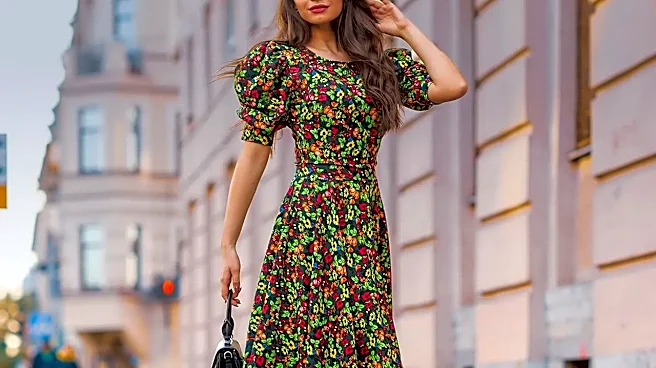
Perhaps the midi’s greatest strength is its sheer versatility. It acts as a neutral foundation that can be adapted to virtually any personal style or occasion. A floral, breezy midi in cotton reads as perfect for a summer weekend. The same length in a structured fabric with a sharp blazer is all business. A satin or silk midi becomes an elegant choice for a wedding guest, while a ribbed knit version paired with boots is ideal for fall. This chameleon-like ability means the midi dress is never just one thing. It can be bohemian, minimalist, classic, or edgy depending on the fabric, cut, and accessories. This adaptability ensures it never feels dated, instead evolving with the wearer and the trends surrounding it.
The Modern Interpretation
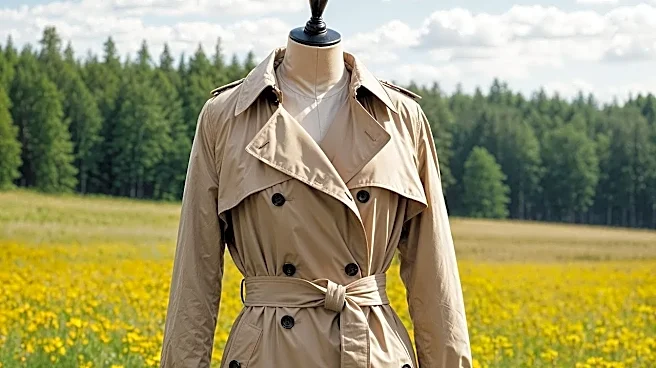
Today, the midi dress shows no signs of fading. Designers continually reinvent the silhouette with new details—asymmetrical hems, interesting cutouts, bold prints, and innovative fabrics. Its presence is felt everywhere from high-fashion runways to everyday street style. The modern midi is available in an endless variety of forms, including the ever-flattering wrap dress, the casual shirt dress, or the form-fitting bodycon style. This constant evolution keeps it feeling fresh and relevant. It has secured its place not as a fleeting trend, but as a fundamental building block of a modern wardrobe, much like a great pair of jeans or a classic trench coat.