


More Than Just a Golden Mic
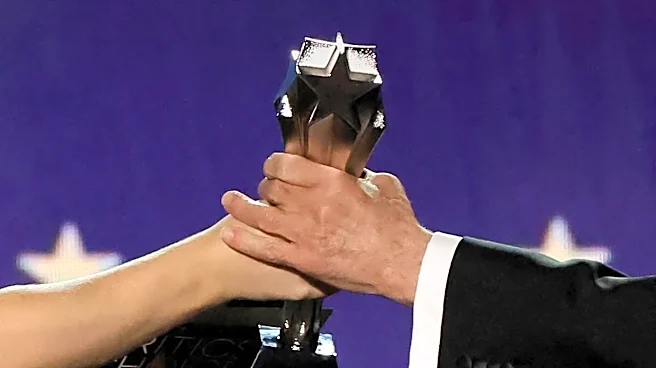
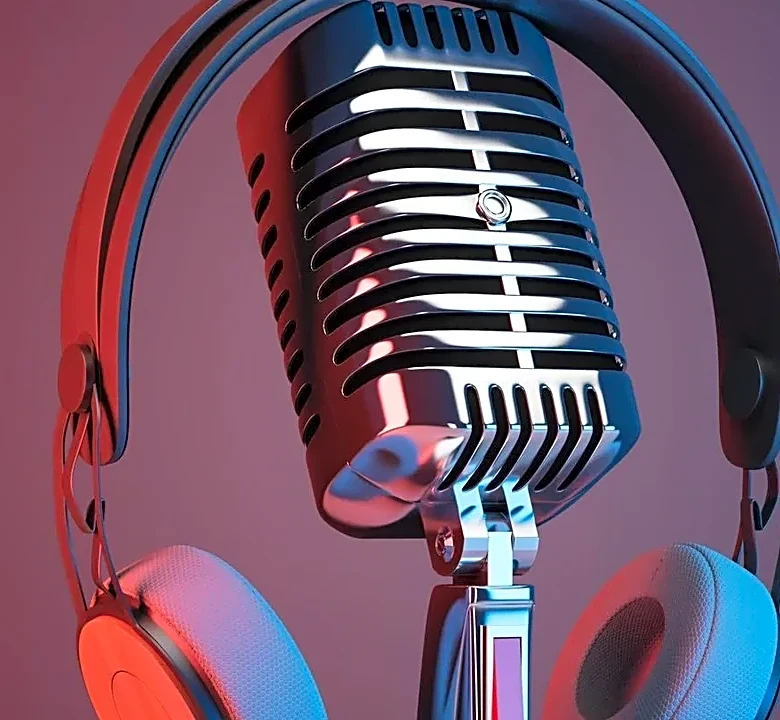
The annual iHeartPodcast Awards, which recently celebrated its latest class of winners, has become a glitzy affair complete with celebrity hosts and viral moments. But beneath the surface-level glamour lies a far more significant industry story. For every
award handed out for categories like "Podcast of the Year" or "Best Crime Podcast," a dozen studio executives and development producers are taking notes. The event has transformed into an unofficial marketplace for Hollywood's most sought-after commodity: proven intellectual property (IP). In an era of skyrocketing production budgets and risk-averse studio slates, a successful podcast represents a pre-packaged, market-tested concept with a built-in audience, making it a much safer bet than an original script.
The New Low-Cost Screen Test
For decades, Hollywood has relied on books and comics as source material, but podcasts offer several unique advantages. The cost of producing a high-quality narrative podcast is a mere fraction of what it takes to shoot a television pilot. This allows creators and production houses to test out bold, niche, or experimental ideas without needing a nine-figure budget. More importantly, podcasting provides a treasure trove of real-time data. Studios can see exactly which episodes generate the most buzz, which characters fans connect with, and where listener engagement spikes or drops off. This data-driven approach helps de-risk the adaptation process, allowing screenwriters to know what works before a single scene is filmed. It's the ultimate screen test, with the American public serving as the focus group.
From Earbuds to Your Streaming Queue
The path from podcast to screen is now a well-trodden one. Shows like "The Shrink Next Door," "Dirty John," and "Homecoming" all began their lives as audio series before becoming star-studded television events. This pipeline shows no signs of slowing, with Wondery, a key player in the space, having numerous podcasts in active television development. The trend works because the formats are surprisingly similar. Scripted narrative podcasts often use voice actors, sound effects, and episodic structures that function as a ready-made blueprint for a TV series. One producer even called podcasts "the easiest IP to translate to film and television" because, unlike a novel, the story is already scripted out loud.
Flipping the Script for Creators
The audio pipeline isn't just a one-way street benefiting studios. It's also empowering creators, including A-list actors, in unprecedented ways. Stars like Gina Torres, Melissa McCarthy, and Kelly Ripa are no longer just lending their voices to podcasts; they are developing and co-owning the IP from the ground up. This represents a strategic power shift. By creating a successful narrative podcast, an actor can develop a passion project outside the traditional studio system, retain creative control, and build a tangible asset. If Hollywood comes calling to adapt it, they are no longer just talent-for-hire; they are producers and owners, negotiating from a position of strength. This trend is also opening doors for new writers and voices from underrepresented communities who can use a successful podcast as a portfolio to bypass traditional gatekeepers.