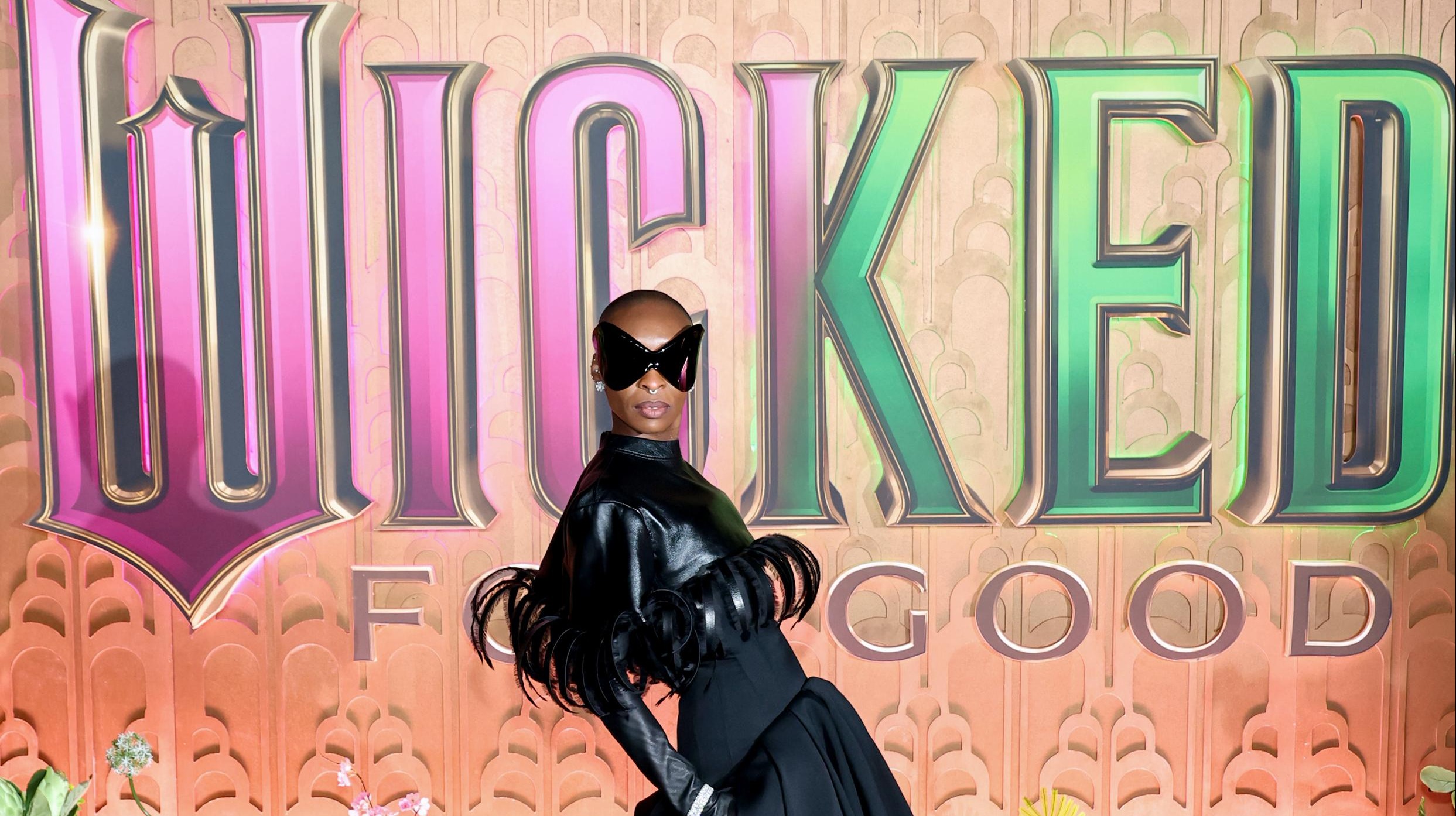





The final chapter of the 'Wicked' film saga promises spectacles of an emerald-hued dream. But before the angry mobs and dazzling crowds fill the screen, they first come to life on paper, through the unsung art of storyboarding.
The Movie Before the Movie
Think of a storyboard as
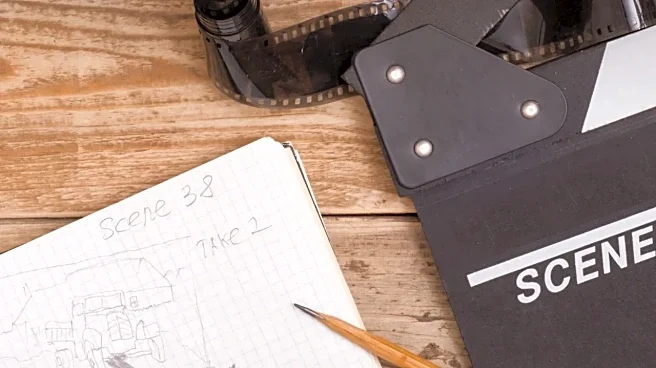
the comic book version of a movie, sketched out shot by shot. It's the first time a script's words are translated into images, serving as the definitive visual blueprint for the entire production. Developed at Disney in the 1930s, this process allows a director to plan and refine everything—camera angles, character placement, and scene pacing—long before the expensive chaos of a live set begins. In modern blockbusters, this has evolved into 'pre-visualization' or 'previs,' where artists use 3D animation to create a rough, moving version of a sequence. This allows the director and crew to 'watch' a complex scene and solve problems months or even years before filming, ensuring that by the time actors arrive, the plan is already set.
Wrangling the Spectacle of the Stage
Adapting a stage musical presents a unique challenge. In a theater, the audience decides where to look during a massive number like 'One Short Day'; you might focus on Glinda's glee, Elphaba's awe, or the synchronized dancing of the Ozians. On film, the director makes that choice for you. Storyboarding is how director Jon M. Chu decides when to use a wide shot to show the overwhelming scale of the Emerald City and when to push in for a close-up on a single, emotional face. Chu, known for the vibrant ensembles in 'In the Heights' and 'Crazy Rich Asians', uses this meticulous planning to translate the energy of a live show into a controlled, cinematic language, ensuring the story's emotional core isn't lost in the spectacle.
Choreographing Oztra-Sized Confrontations
The 'Wicked' saga is defined by its ensemble confrontations: the citizens celebrating a witch's demise in 'No One Mourns the Wicked,' the ecstatic crowds of the Emerald City, and the torch-wielding mob hunting Elphaba. These scenes are meant to feel chaotic, but on a film set, chaos is the enemy. Storyboards impose order. Each frame answers crucial questions: Where is Elphaba in this mob? How does the camera show her isolation? How do we track Fiyero as he fights his way through guards? By sketching it out, the creative team can choreograph the 'chaos,' ensuring every person in the crowd and every camera movement serves the story. This turns a potentially messy sequence into a powerful narrative tool, visually charting the public's turn against Elphaba.
A Shared Vision for an Emerald City
A director’s vision is only as good as their ability to communicate it to hundreds of artists, from the cinematographer to the set decorators to the VFX team. The storyboards for 'Wicked' are not just for Jon M. Chu; they are the shared language for the entire production. When production designer Nathan Crowley built the massive, practical sets for Shiz University and the Emerald City, his designs were informed by the camera angles already planned in the storyboards. This ensures that a hallway is built wide enough for a specific camera move or that a window is placed perfectly for a dramatic reveal. It's the tool that aligns thousands of creative professionals toward a single, cohesive vision of Oz.