



The Fabric That Breathes
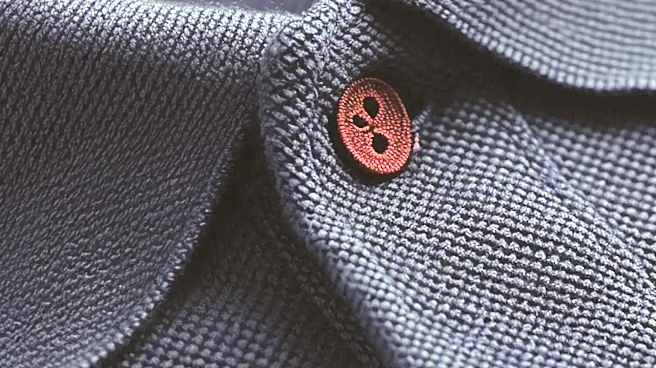
So, what exactly is piqué? Unlike a flat, smooth t-shirt jersey, piqué (pronounced pee-kay) is a knit fabric defined by its texture. It features a raised, geometric pattern—often a honeycomb, waffle, or corded effect—created by a special double-knit weave.
This structure isn't just for show. The small, raised pockets create tiny air channels between the fabric and the skin, making it exceptionally breathable. This built-in ventilation system was a game-changer for athletes, allowing air to circulate and moisture to evaporate far more effectively than with traditional flat-woven fabrics. The result is a material that feels lighter and cooler, even while maintaining a substantial, structured feel.
A Courtside Revolution by a Crocodile
Before piqué, tennis attire was painfully impractical. Players in the early 20th century competed in long-sleeved, starched white button-down shirts, flannel trousers, and even ties. This formal wear was restrictive, heavy, and punishingly hot. French tennis legend René Lacoste, nicknamed “The Crocodile,” decided enough was enough. In 1926, he appeared at the U.S. Open wearing a shirt of his own design: a short-sleeved, collared shirt made from a lightweight, breathable cotton he called 'petit piqué'. It offered freedom of movement, a soft collar that could be turned up to block the sun, and superior comfort. Teaming up with manufacturer André Gillier in 1933, Lacoste began marketing the shirt, crocodile logo and all, revolutionizing sportswear forever.
The Visual Magic of Texture
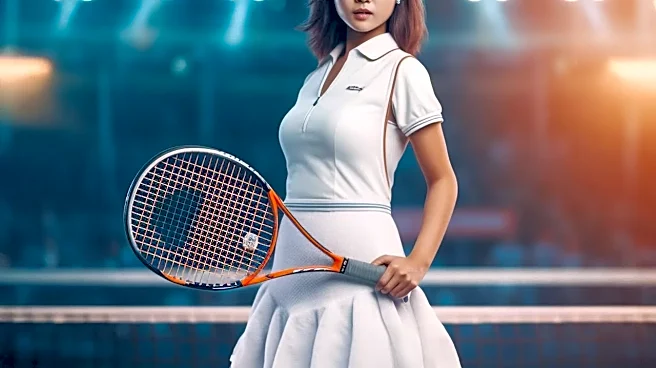
An all-white outfit runs the risk of looking flat and one-dimensional. This is where piqué works its aesthetic magic. The fabric’s three-dimensional texture interacts with light in a way that smooth materials cannot. The honeycomb or waffle pattern creates subtle highlights and shadows across the surface, giving the garment a visual depth that breaks up the monotony of pure white. It adds a layer of subtle sophistication without needing color or patterns. Furthermore, the texture is excellent at concealing perspiration, helping players maintain a composed, crisp appearance even during a grueling three-set match. It transforms the outfit from a blank canvas into a textured landscape, adding richness and a classic, expensive feel.
Classic Feel in a High-Tech World
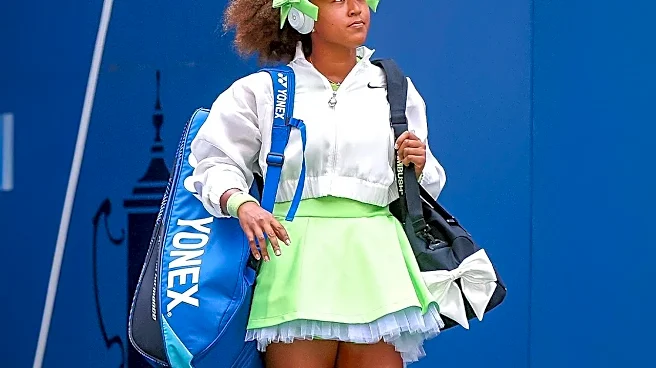
Today, tennis is dominated by ultra-lightweight, synthetic performance fabrics engineered in a lab for maximum moisture-wicking and stretch. These materials are sleek, shiny, and often feel like a second skin. Yet, cotton piqué endures, particularly at traditional venues like Wimbledon, where its heritage is part of the aesthetic. The choice to wear piqué is a nod to the sport’s elegant past. While modern synthetics scream cutting-edge performance, piqué speaks a different language. It communicates durability, structure, and a timeless style that gets better with age. It holds its shape better than a standard cotton jersey, resisting the sag and stretch that can make an outfit look sloppy after a few intense games. In a sea of shiny polyester, a crisp piqué polo stands out for its classic texture and refined character.