







The Unforgiving Math of 12 Yards
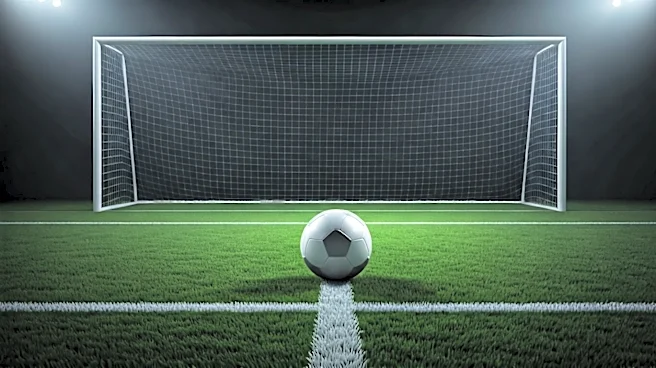
Before we get into the psychology, let’s start with the cold, hard numbers. A penalty kick in professional soccer is, statistically speaking, a gimme. Depending on the study and the league, a penalty taker is expected to score somewhere between 75% and 85%
of the time. Think about that. In a game of razor-thin margins, this is the closest thing to a sure bet. This single fact sets the entire stage. The default outcome is a goal. The expectation, from teammates, coaches, and millions of fans watching, is that the shooter will succeed. Anything else is a deviation, a failure. The goalkeeper isn't expected to make the save; they are merely the final, often-forlorn obstacle in the way of a preordained conclusion. This statistical baseline creates a massive psychological imbalance before the player even begins their run-up.
The Shooter's Agonizing Burden
Now, picture the shooter. They’ve just endured 120 minutes of grueling, high-stakes soccer. Their legs are heavy, their mind is fatigued. They place the ball on the spot and walk back, a lonely journey from the halfway line that sports psychologists call the “loneliest walk in sports.” During this walk, the player has too much time to think. The goal, which looks enormous in open play, suddenly seems to shrink. The keeper, once a distant figure, now looks impossibly large and agile. The player's task is proactive; they must *make* something happen. This creates what psychologists call an “approach-oriented” goal, which is fraught with the fear of failure. What if I miss? What if I let everyone down? This internal monologue can lead to 'paralysis by analysis,' causing a player to change their mind mid-run or tense up, snatching at the shot and losing the very technique that got them to this level. The burden isn't just to score—it's to not fail at something everyone expects you to do.
The Goalkeeper's Glorious Free Hit
Contrast that with the person between the posts. The goalkeeper’s job is reactive. They don’t have to initiate; they just have to respond. Because the odds are so heavily stacked against them, no one truly blames a keeper for conceding a penalty. It’s the expected outcome. If the ball goes in, well, that’s what was supposed to happen. But if they save it? They are an instant hero. They have single-handedly defied the odds and swung the momentum. This dynamic gives the keeper a psychological 'free hit.' With the pressure of expectation lifted, they are free to play games. They can dance on the line, point one way, stare down the shooter, or delay the kick. Every antic is designed to crawl inside the shooter’s head and amplify their existing anxiety. For the keeper, there is only upside. They can either meet expectations (concede) or become a legend (save). There is no equivalent to the shooter’s catastrophic failure.
The Asymmetry of Control and Blame
Ultimately, it comes down to control. The shooter has almost total control over the outcome. They choose the power, the placement, and the timing. This control is a double-edged sword; with it comes total responsibility. When a player scores, they did their job. When they miss, it is unequivocally their fault. The keeper, on the other hand, has very little control. They have to guess which way the ball is going, often committing to a dive before the ball is even struck. Their success is part anticipation, part athleticism, and a large part of pure luck. Because they are not in the driver's seat, they are shielded from the blame. This asymmetry is what we see play out in post-game narratives. We remember Roberto Baggio's heartbreaking miss for Italy in the '94 World Cup final far more vividly than we remember the save that won a different shootout. The hero keeper is celebrated, but the failing shooter is forever defined by their one moment of fallibility.