




The Worldbuilders: It's All About the Lore
Lore-driven fantasy is all about the big picture. Think of shows where the magic system has its own encyclopedia, the history spans millennia, and the map is as important as any single character. These are series that ask you to lean in, take notes, and connect
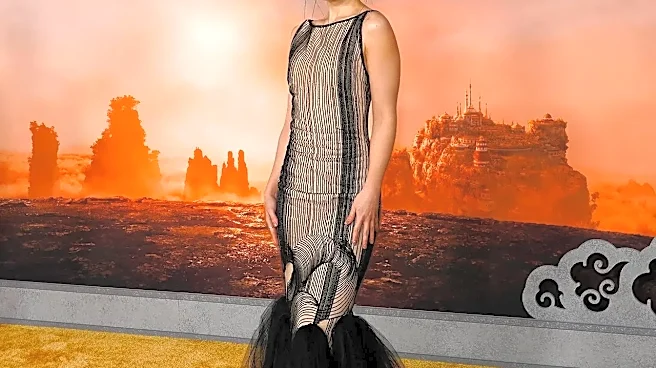
the dots. This month's 'Avatar: Seven Havens' on Paramount+ is a prime example. Following in the footsteps of a beloved franchise, its immediate task is to expand a known world, introducing new rules and stakes for its post-apocalyptic setting. The story serves to explore this new era, with characters acting as our guides through its intricate history and the last bastions of civilization. The appeal isn't just watching a story unfold, but solving the puzzle of the world itself. These shows reward viewers who crave complexity and are willing to invest in understanding ancient prophecies, political factions, and the fundamental laws of magic.
The Soul-Searchers: It's All About Character
On the other side of the spectrum are character-driven fantasies. Here, the magic, monsters, and kingdoms are secondary. They exist to test, break, and reveal the deepest truths about the people at the heart of the story. The central questions aren't about how a spell works, but how a person grapples with the power they've been given. Disney's 'VisionQuest' fits this mold perfectly. It centers on White Vision's existential journey to understand his own existence after the events of 'WandaVision'. The conflict is deeply internal. While it involves sci-fi elements like the return of Ultron, the true drama is one of identity. Similarly, Freeform's new series 'Coven Academy' uses its magical school setting to tell a coming-of-age story that has resonated with millions. Viewers connect not with the mechanics of witchcraft, but with the personal struggles of its protagonist, Briar. These shows prioritize emotion over explanation, pulling you in with relatable conflicts, even in the most unrelatable of worlds.
Why the Difference Matters For You
Neither approach is inherently better, but they offer vastly different viewing experiences. A lore-heavy show is a commitment. It's like starting a dense, rewarding novel; you're in it for the long haul to see the grand tapestry woven together. Missing an episode can feel like skipping a chapter in a history book. A character-focused show is more of an emotional investment. It's about empathy and connection. You watch because you care deeply about what happens to the characters, and the fantastical elements are simply the backdrop for their very human dramas. The stakes are personal, not world-ending. Knowing your preference is key. Are you in the mood for an intellectual challenge or an emotional journey? Do you want to escape into a new world, or see your own world reflected through a magical lens?
When the Two Collide
Of course, the most beloved fantasy stories often refuse to choose a side. They understand that a rich, detailed world is the perfect stage for unforgettable characters. The best series are a spectrum, not a binary. They use their intricate lore to create the pressures that forge compelling characters. Think of how a sprawling, politically complex world can force a reluctant hero to make impossible choices, revealing their true nature. The newly announced animated adaptation of 'Artemis Fowl' aims to do just that, promising to dig deeper into both the characters and the lore of its high-tech fairy world. The ultimate goal for any great fantasy is to make you care about the people and the world they're fighting to save. When a show gets that blend right, it becomes more than just entertainment; it becomes a phenomenon.