



More Than Just Keeping the Lights On
Before we dive into the Emmy-nominated specifics, let's get one thing straight: lighting a TV show isn’t about flipping a switch. It’s about painting with light and shadow. At its most basic, it's about visibility. But at the level of Emmy contention,
it’s about storytelling. Does the light feel warm and inviting, like in a cozy family comedy? Is it cold, sterile, and menacing, like in a sci-fi thriller? Is a character half-draped in shadow to suggest a hidden motive? These aren't accidents; they are deliberate, painstaking choices made by a director of photography or a lighting director who shapes every photon you see on screen. Their work is what transforms a soundstage into a believable world and what elevates a good scene into an unforgettable one.
The Spectacle of Live Television
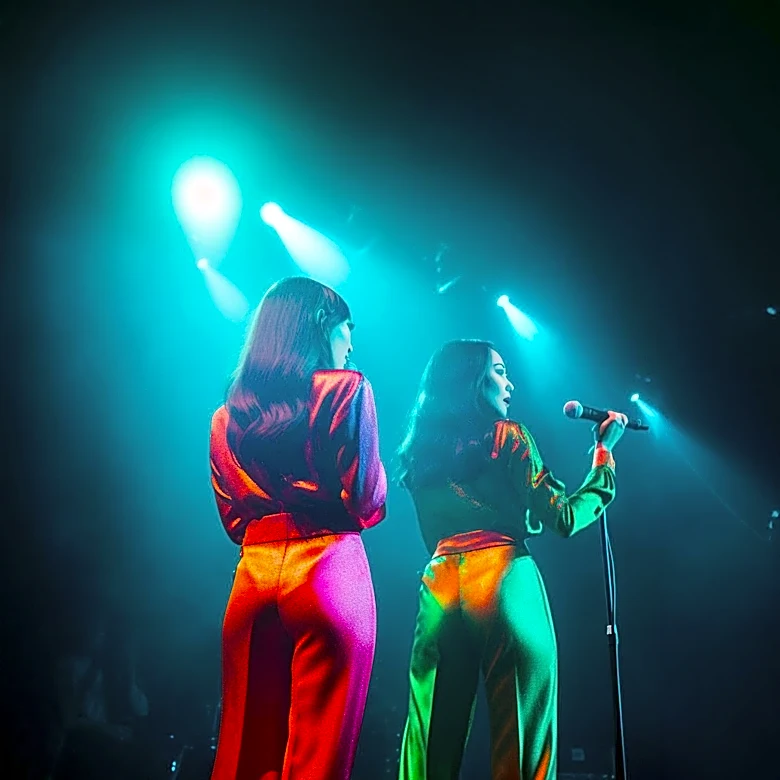
Nowhere is lighting more complex and high-stakes than in a live special. Consider the nominees for Outstanding Lighting Design/Lighting Direction for a Special, a category that includes massive events like The Apple Music Super Bowl LX Halftime Show Starring Bad Bunny and The 68th Annual Grammy Awards. Here, lighting designers like Al Gurdon and Noah Mitz are wrangling thousands of individual fixtures to create a dynamic spectacle for millions at home. The job is twofold: they have to light a massive stage for the live audience, creating energy and grandeur, while also lighting it perfectly for the dozens of cameras capturing every angle. The lighting has to follow performers, sync with music, and transition seamlessly from an intimate close-up to a stadium-wide aerial shot, all in real time. It's a high-wire act where one wrong cue can throw off the entire broadcast.
Painting Worlds in Prestige Dramas
In the world of one-hour dramas, the camera is a paintbrush, and light is the paint. The cinematography nominations for series like FX's Alien: Earth and HBO's Euphoria showcase this artistry perfectly. For Alien: Earth, cinematographer Dana Gonzales had to honor the claustrophobic, industrial horror of the original film, using deep shadows and harsh, practical light sources to create a constant sense of dread. Conversely, Marcell Rév’s work on Euphoria is a masterclass in subjective, emotional lighting, often using vibrant, stylized colors and fluid camera movements to place the viewer directly inside the characters' turbulent headspace. Whether it's the gritty realism of Spider-Noir or the ethereal glow of A Knight Of The Seven Kingdoms, the lighting choices in these series are as crucial to building their worlds as the scripts themselves.
The Understated Art of the Half-Hour Comedy
You might think lighting a comedy is easy—just make it bright, right? Not so fast. The challenge for a show like FX's The Bear or HBO Max's Hacks is to create a look that feels both natural and visually interesting while serving the fast pace of comedy. In The Bear, Andrew Wehde’s cinematography captures the chaotic, cramped energy of a professional kitchen, using a mix of fluorescent kitchen light and warmer, more intimate lighting for character moments. Adam Bricker's work on Hacks needs to be glamorous enough for its Las Vegas setting but grounded enough to feel real. And for a classic multi-camera sitcom like Netflix's The Upshaws, the lighting must be even enough for three cameras to shoot simultaneously but sculpted enough to avoid the flat, bland look of sitcoms from decades past. It’s a subtle art that ensures the jokes land without the viewer ever being distracted by the technique.
What Separates the Winners
So what ultimately pushes a nominee over the finish line to become an Emmy winner? It's not just about technical proficiency; it's about having an undeniable vision. The contenders that stand out are the ones where the lighting is inseparable from the show's identity. Think of the way a variety series like Saturday Night Live has to pivot from a brightly lit, madcap sketch to a moody, atmospheric musical performance in a matter of seconds. Or how a drama’s lighting scheme becomes a character in itself, telling a story of its own. The winners are often the teams who make bold, consistent choices that are perfectly fused with the director's intent. They don’t just light the scenes; they define them, creating images so powerful they become imprinted in our cultural memory.