

The Age of the Grand Narrative Fades
For years, a great fashion collection was expected to have a clear, digestible theme. Think of it as a movie pitch: 'Chanel goes to the supermarket,' 'Dior on the protest march,' or 'Loewe visits a pirate ship.' These theatrical concepts were powerful,
generating memorable images and making the designer's vision easy to understand. They offered a total, head-to-toe look that told one specific story. But as the dust settles on the most recent Paris Fashion Week, it's clear that this reliance on a single, heavy-handed narrative is starting to feel dated. The industry's most influential designers are pivoting away from costume-party concepts toward something far more practical and, ultimately, more powerful.
A Pivot to Pragmatism
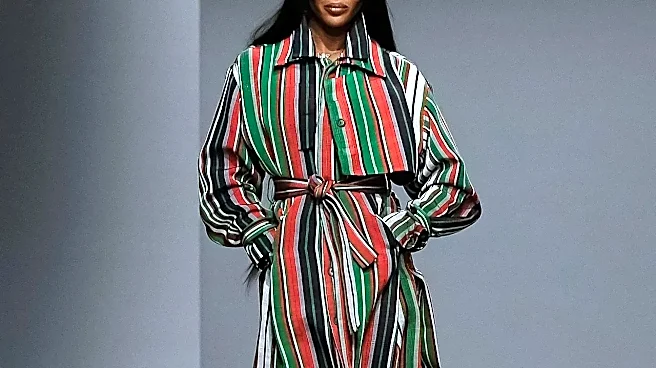
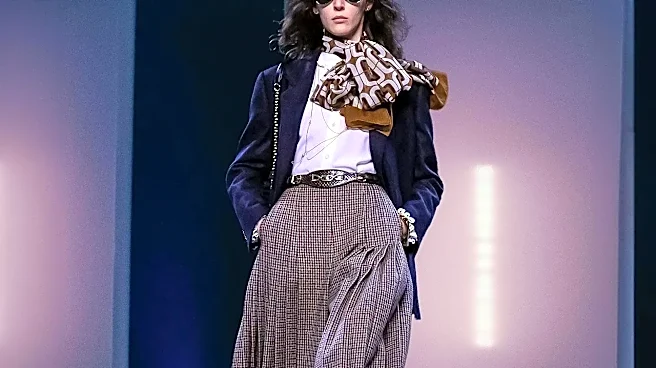
Look at Jonathan Anderson’s latest work at Dior. Instead of one grand idea, he presented a collection built on layered, delicate, and charmingly imperfect pieces. Pinstripes, florals, and soft tailoring weren't forced into a single story; they were presented as a 'design language'—a vocabulary of desirable items a woman could adopt and make her own. Similarly, at Loewe, designers Jack McCollough and Lazaro Hernandez consciously moved to create a 'proposition for dressing,' blending American sportswear ease with Spanish drama to build a wearable, modern wardrobe. This wasn't about one 'look' but a series of fantastic items: a perfect blazer, a unique draped skirt, a leather bomber. The focus is no longer on selling a fantasy, but on selling clothes—really, really good clothes.
The Wardrobe, Not the Costume
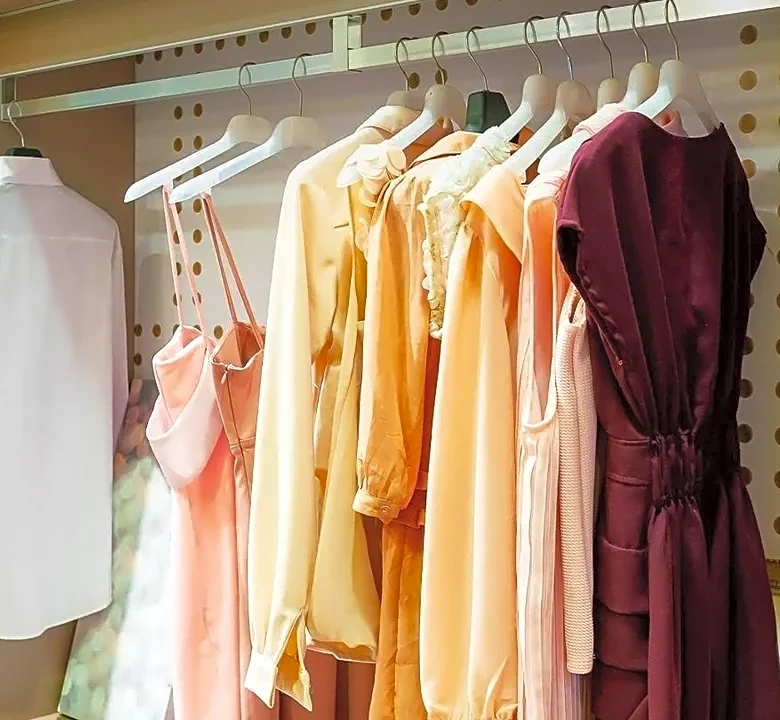
This shift is also evident at ultra-minimalist brands like The Row. For Spring 2027, Mary-Kate and Ashley Olsen moved beyond pure minimalism by introducing personal, eclectic touches like antique-looking lace and handmade details into their famously restrained lineup. The result felt less like a stark, uniform collection and more like a wardrobe assembled over time by a person with a rich inner life. It’s a subtle but crucial distinction. A theme dictates; a wardrobe suggests. It empowers the wearer by providing beautiful components rather than a strict uniform. This approach trusts the customer's intelligence to assemble their own look, reflecting a broader cultural shift toward individuality over top-down pronouncements.
A Savvy Strategy for a Digital World
There's a strong commercial logic at play here. In the age of e-commerce and Instagram, individual items often have more viral potential than a complete runway look. A single, strange shoe, an incredible coat, or an artfully embellished top can travel farther and faster online than a complex, themed ensemble. By focusing on creating a wide array of desirable pieces, designers are effectively building a collection of potential hits. This item-driven approach also better reflects how modern consumers shop. Few people buy an entire runway look; instead, they integrate standout pieces into their existing closets. The brands that understand this are the ones not only creating the most artistically resonant collections but also setting themselves up for commercial success in a fragmented, digital marketplace.