





A Movie Demands a Hero, America Has Millions
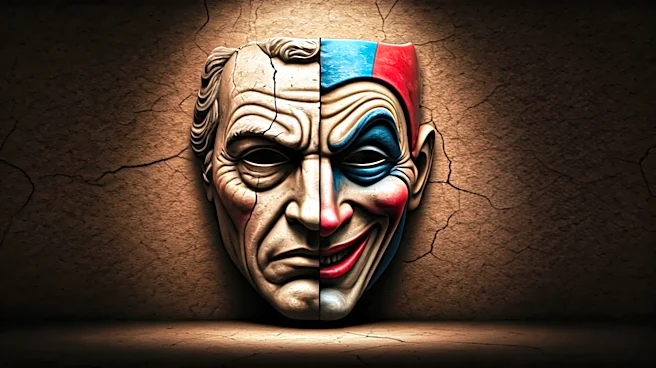
The fundamental problem with a movie is its runtime. A two-hour film needs a hero, a villain, and a tidy resolution. It’s a format built for simplification. To tell the story of America, a movie would inevitably default to a montage of “great men”—a parade
of powdered wigs, stoic generals, and visionary presidents. This approach flattens history into a highlight reel, ignoring the jagged edges and inconvenient truths that define the nation. While official plans for the semiquincentennial from congressionally-chartered groups like America250 rightly aim to be inclusive and unifying, a cinematic treatment risks undermining that goal by its very nature. A film has to sand down the complexities, creating a narrative that feels more like a monument than a living story. America wasn’t built by a handful of protagonists; it was forged in the conflicts and compromises of millions of lives, a story too vast and complicated for a single screenplay.
The FX Model: Embracing the Mess
Enter the FX model. For two decades, the network has built its brand on “prestige television” that thrives on moral ambiguity and long-form character development. Shows like The Americans, Mrs. America, and Fargo don’t offer easy answers. They are studies in complexity, exploring the dark side of patriotism, the fault lines in social movements, and the rot beneath a polite surface. This is the lens America’s history requires. An FX-style series isn’t bound by the need for a triumphant third act. It has the space—10, 20, 60 hours—to explore the nation’s deepest contradictions. It can tell a story about freedom and a story about slavery, and show how they are inextricably, tragically intertwined. It can celebrate innovation while exposing its human cost. This is a network known for shows built around anti-heroes, a concept perfectly suited to a nation whose history is filled with brilliant but deeply flawed figures.
An Anthology of a Nation
The perfect format would be an anthology series, with each season tackling a different era or theme. Imagine a season dedicated to Reconstruction, capturing both the profound hope of newly freed people and the violent backlash that crushed it. Another could explore the Gilded Age, juxtaposing the robber barons’ unimaginable wealth with the brutal struggles of the labor movement. A season on the Cold War could dive into the paranoia of the Red Scare while also telling the story of the Civil Rights movement unfolding simultaneously. A series has the narrative real estate to move beyond the traditional East Coast-centric revolutionary story. It can spend time with the activists, the dissenters, the inventors, and the forgotten communities whose stories are the threads of the American tapestry. Television offers the time for deep character growth and the introduction of new perspectives, things a film simply cannot afford.
A Story, Not a Celebration
Some of the emerging official plans for 2026, such as the White House-backed Freedom 250 initiative, appear focused on large-scale celebratory events like fairs and races. While there is a place for celebration, the most meaningful commemoration would be one that fosters genuine understanding. Dramatized history, when done responsibly, can be a powerful catalyst for engaging with the past. It makes history memorable by connecting with viewers emotionally. The goal shouldn't be to create a flattering self-portrait. The point of looking back at 250 years is not just to feel good about the triumphs but to reckon with the failures, the hypocrisies, and the ongoing struggles that still define the nation. A movie, by design, polishes the past. A great television series would have the courage to show it all, daring audiences to see the country not as a finished product, but as a messy, complicated, and ever-evolving experiment. That is a story worth telling.