






The Psychological Spiral
A defensive collapse is rarely a single event; it's a process, a cascade of failure that often begins in the mind. The pressure of a World Cup knockout match is immense, and a single mistake—a missed tackle, a bad pass—can trigger a wave of collective
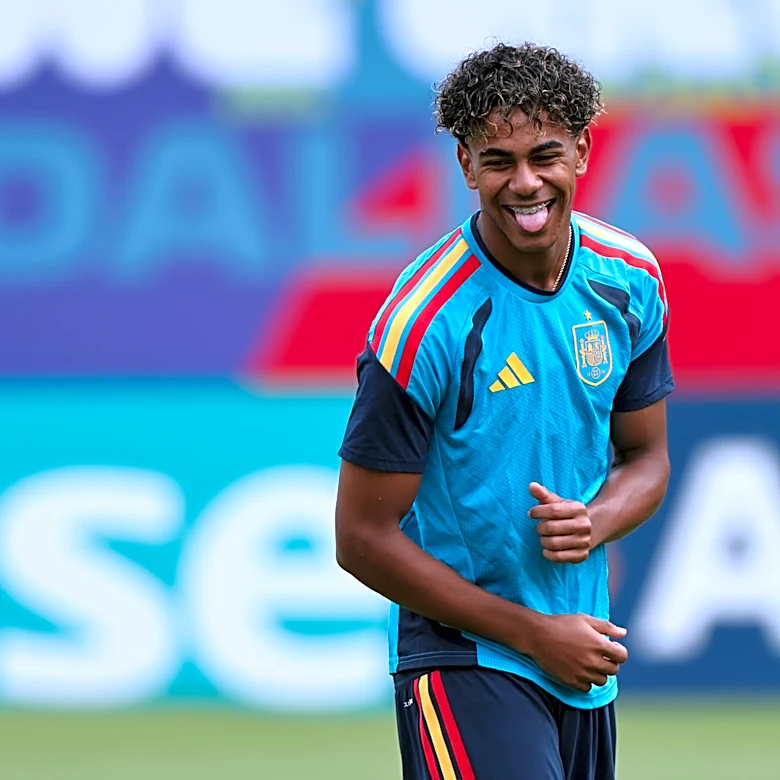
anxiety. Sports psychologists call this "emotional contagion," where negative feelings spread rapidly through a team. Confidence plummets, decision-making becomes frantic, and players start focusing on not making the next error rather than playing their game. This fear leads to hesitation, and hesitation at this level is fatal. When a key player, like a star defender or goalkeeper, makes a mistake, it can have an outsized impact, rattling the self-belief of the entire squad and signaling that even their best are vulnerable.
When Bold Tactics Backfire
Modern soccer is often defined by aggressive, high-risk tactical systems. Many top teams employ a "high press," a strategy designed to win the ball back deep in the opponent's territory by pushing defenders high up the field. When it works, it's suffocating and creates quick scoring chances. But it’s a tactical house of cards. This approach demands perfect coordination, intense physical output, and unwavering concentration. If one player is a fraction of a second late to press, or if a midfielder is bypassed, the entire defensive structure can be instantly exposed, leaving vast open spaces behind the defensive line for attackers to exploit. What looks like a sudden collapse is often the brutal consequence of a high-wire act failing at the worst possible moment.
The Unseen Toll of Fatigue
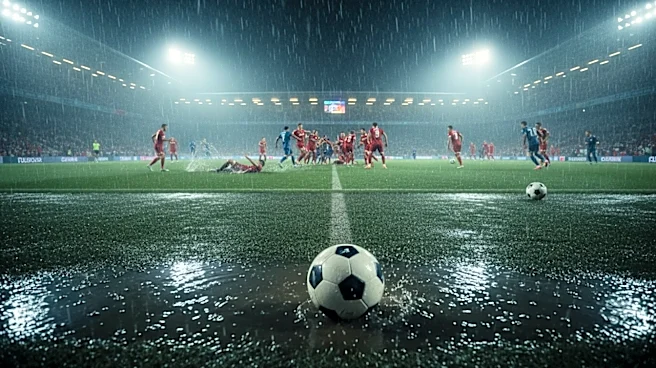
By the time the knockout rounds of the Soccer Cup arrive, every player is running on fumes. This isn't just about 90-minute fitness; it's the cumulative effect of a month-long tournament on top of a grueling club season. Research shows that fatigue significantly impairs both physical and cognitive performance. Sprints become slower, concentration wanes, and technical skills like passing and tackling become less precise. Studies indicate that injury rates and goals conceded often increase in the final stages of games and tournaments, which directly correlates with accumulated player fatigue. A tired mind makes poor decisions, and tired legs can't execute what the brain commands, creating the perfect storm for the kind of individual errors that lead to a team-wide breakdown.
The Overwhelming Force of Momentum
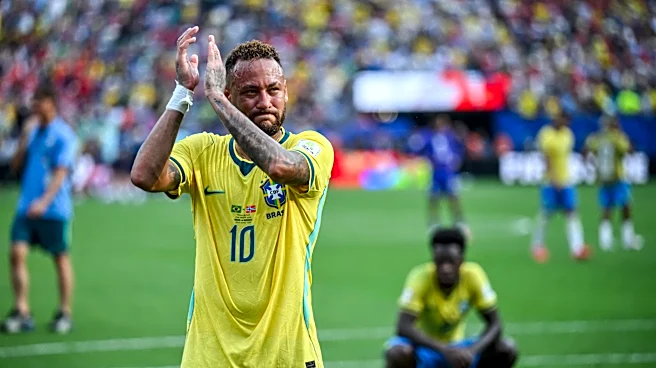
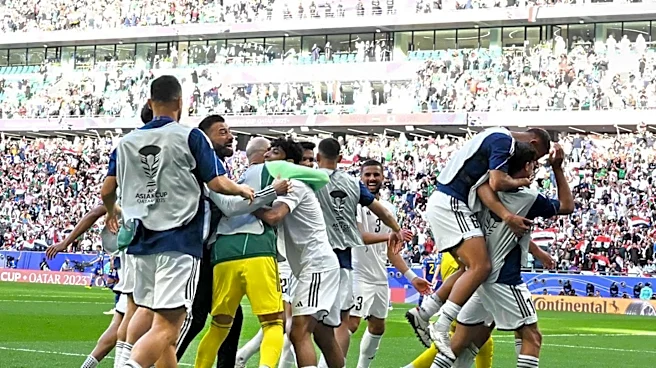
In soccer, momentum can feel like a tangible force. When an underdog scores, or a favored team concedes an unexpected goal, the psychological balance of the match can shift irrevocably. The scoring team is emboldened, playing with a freedom and confidence that makes them seem faster and stronger. The conceding team, meanwhile, can descend into a state of panic. This is often described as a self-reinforcing downward spiral, where one bad event triggers another. Communication breaks down, players abandon their tactical roles to try and fix things individually, and the team's shape disintegrates. This was famously seen in Brazil's 7-1 semifinal loss to Germany in 2014, where after conceding the first goal, the team spiraled into chaos, conceding four more in a disastrous six-minute span.