

A Signal of Status and Leisure
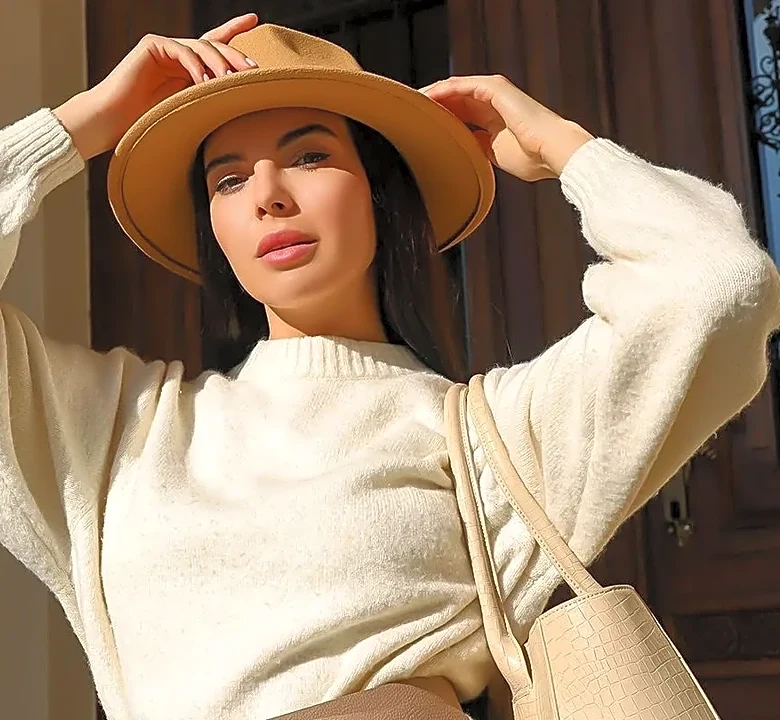
The long sleeve has a rich history as a status symbol. As far back as the 12th and 13th centuries, garments with long, trailing sleeves signaled that the wearer was of a higher class. The logic was simple: if your sleeves were so long that they hindered
manual labor, you clearly didn't need to perform any. This impracticality was the entire point. It demonstrated a life of leisure and wealth, a concept that carried through the Renaissance and Elizabethan eras, where voluminous and embellished sleeves, often layered, were a sign of nobility. The more fabric and the more intricate the design, the greater the wearer's standing in society.
The Power of Dramatic Proportions
Beyond social status, the elongated cuff is a powerful tool for creating drama and altering a silhouette. Designers return to this feature to play with proportion, making arms appear longer and more elegant. This was a key element in the 1980s, when designers like Thierry Mugler and Yves Saint Laurent used exaggerated shoulders and sleeves to create a sense of female empowerment in the workplace. While not always extending past the hand, the principle of using the sleeve to command space and convey authority was the same. Today's elongated cuffs, seen in collections from designers like Rick Owens and J.W. Anderson, continue this tradition of using the sleeve as a focal point for drama and visual interest.
A Romantic and Rebellious Statement
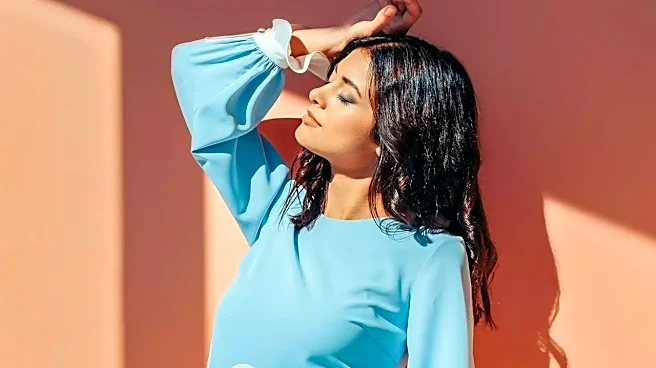
There's an undeniable romance to a sleeve that gently drapes over the hand. Flared bell sleeves, popular in the 1960s and 70s, channeled a bohemian, free-spirited vibe that referenced medieval and peasant styles. This look was softer and less about rigid status, suggesting a connection to artistry and a rejection of conformity. In modern streetwear, the trend has taken on a different kind of rebellious energy. Brands like Vetements popularized hoodies and shirts with sleeves that hang well past the fingertips, a look that can connote anything from teenage angst to a deliberate, anti-fashion sloppiness that has become its own form of luxury. The wearer is so confident they don't need to conform to traditional fits.
The Anti-Practicality of Modern Life
In an age where our hands are constantly busy—texting, typing, and scrolling—a garment that covers them feels like a quiet act of defiance. The elongated cuff makes these everyday actions more difficult, forcing a certain mindfulness or even a complete disengagement from them. This impracticality can be seen as a new form of luxury. It subtly communicates that the wearer is not beholden to the constant connectivity of modern life. They have the freedom to be 'hands-off.' It's a statement piece that values form over pure function, turning a simple sleeve into a commentary on our relationship with technology and work.