

The Runway Is Pure Theater
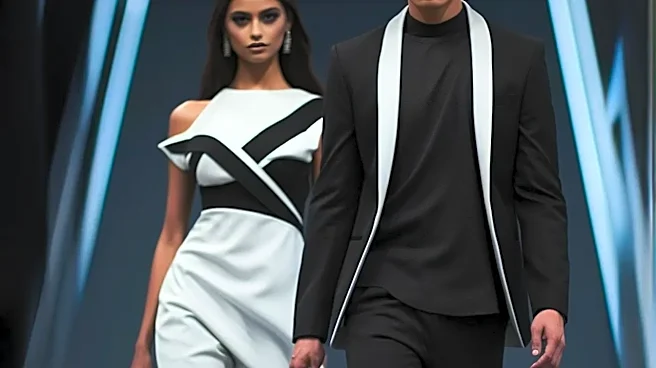
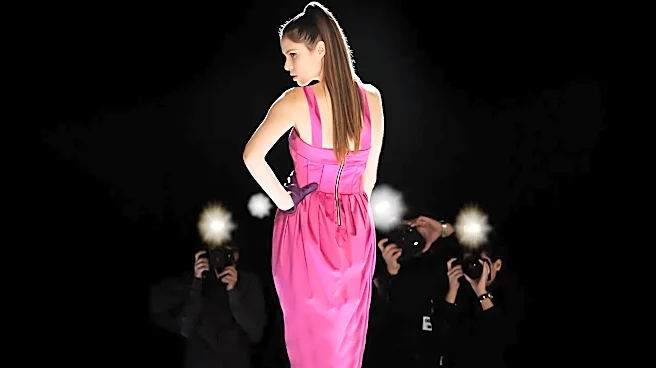
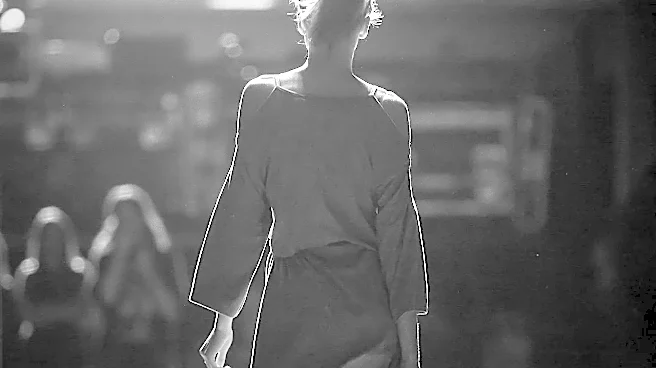
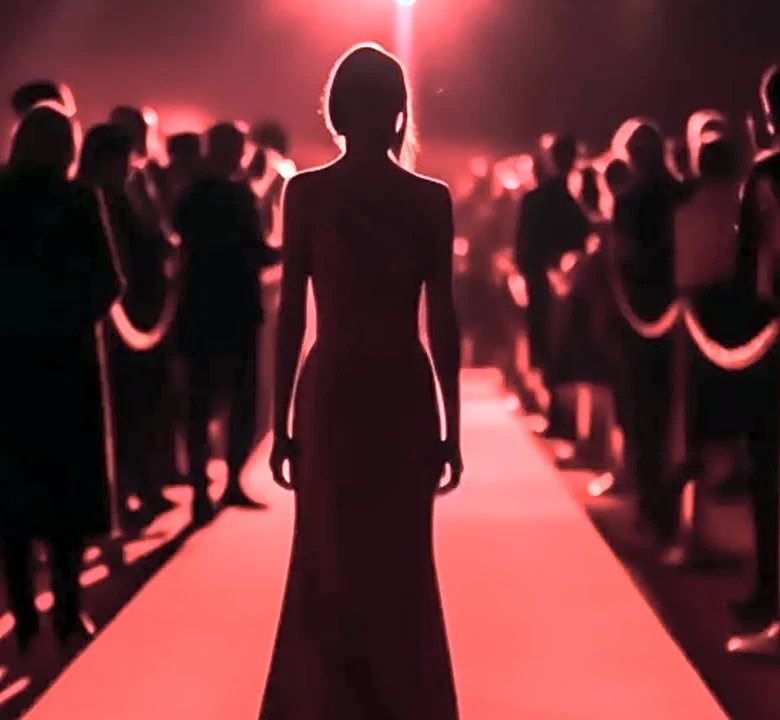
First and foremost, a fashion show is not a sales appointment; it's a performance. Designers use the runway to tell a story, create a mood, and communicate a powerful artistic vision. These shows are elaborate productions designed to generate buzz, secure
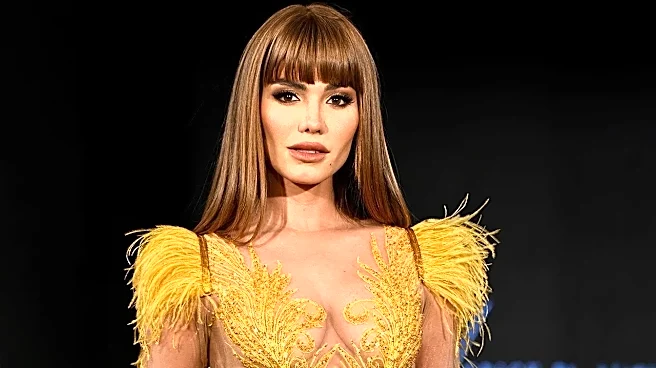
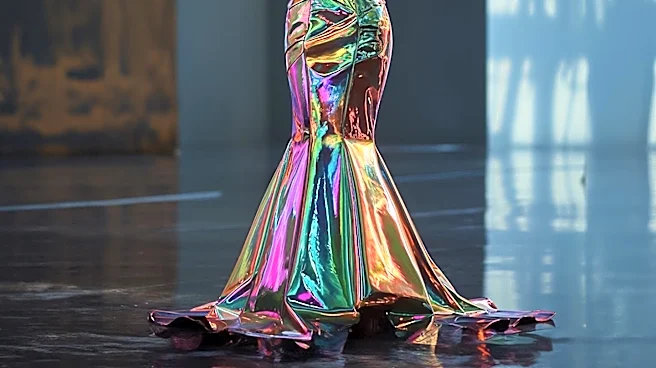
media attention, and define the brand's identity for the upcoming season. The clothes are the stars of this production, often exaggerated to their most extreme and imaginative forms to make a statement. Think of them as concept cars at an auto show—they showcase innovation and direction, but they aren't the exact model you'll drive off the lot. The goal is to wow editors, buyers, and the public, creating a halo effect that inspires desire for the more wearable pieces to come.
Built for a Moment, Not a Lifetime
A runway garment has one job: to look spectacular for the 90 seconds it’s on the catwalk. That’s it. As a result, many of these “sample” garments are constructed with speed and visual impact as the only priorities. They might be pinned, taped, or even hot-glued in the frantic final hours backstage. Seams might be left raw and unfinished because, from ten feet away under bright lights, nobody can tell. These pieces aren't designed for durability, comfort, or practicality. The focus is entirely on the silhouette, drape, and movement for that brief moment. In contrast, the version you buy in a store has been engineered to withstand daily life, including sitting, stretching, and, crucially, repeated washing.
The Sample Size Paradox
Runway shows are built around a standardized “sample size,” historically a US size 0, 2, or 4. This isn't about excluding people, but about pure practicality from a production standpoint. Creating one standard-sized collection is faster and more cost-effective for the show. It allows the designer to use a consistent set of models whose measurements are known, ensuring a uniform look and minimizing the need for last-minute, complex alterations. The retail version, however, must be “graded” into a full range of sizes (from XXS to XXL, for example). This complex process involves adjusting proportions for different body types, a step that is completely unnecessary for the singular focus of a runway show.
From Fantasy to Functional
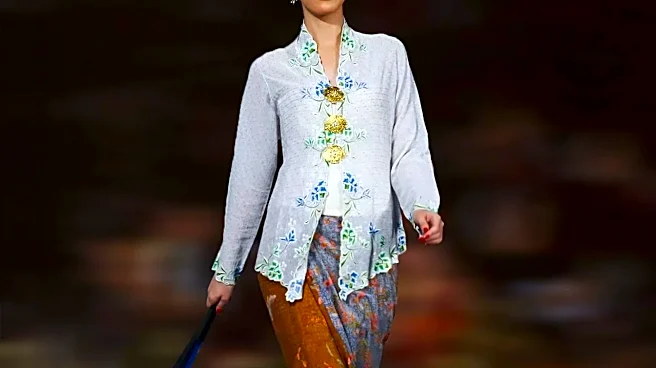
This is where the magic of product development happens. After the show, designers and buyers huddle to decide which looks will actually be produced and how they’ll be adapted for retail. That stunningly sheer, floor-length gown might get a lining and a shorter hem. A dramatic, oversized coat may be given a more tailored, practical cut. Fabric is a huge consideration. The delicate, hand-embroidered silk or exotic material used for the runway piece might be beautiful, but it's often too fragile or prohibitively expensive for a production garment. The retail version will use a more durable and cost-effective fabric that captures the spirit of the original without the five-figure price tag and dry-cleaning warnings. Small details, like impossibly high heels on shoes, are also toned down for real-world wearability.
The Demands of the Market
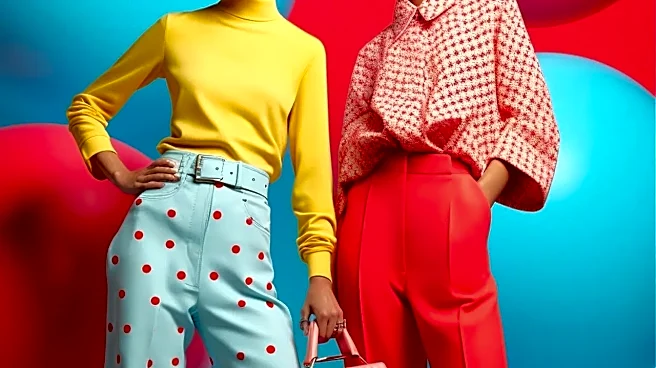
Ultimately, the clothes sold in stores need to sell. Buyers for major department stores and boutiques play a huge role in the final design. They have a deep understanding of their customers and might request changes to make a piece more commercially viable. This could mean raising a plunging neckline, offering a design in a more conservative color, or removing a particularly avant-garde embellishment. While the runway version is pure, unfiltered art, the retail version is a careful collaboration between that art and commerce. It’s designed not just to be admired, but to be worn and loved by a real person with a real life.