

1. Picking a Vague or Nonexistent Theme
The first rule of marathon club: have a focus. Simply grabbing any movie with “ghost” or “demon” in the synopsis is a recipe for tonal whiplash. The supernatural subgenre is vast, containing everything from quiet, atmospheric hauntings to chaotic demonic
possessions. A marathon that jumps from the slow-burn dread of "The Others" to the splattery chaos of "Evil Dead II" without a clear purpose can feel random and unsatisfying. Instead, get specific. Curate your list around a sub-theme. You could do a night of “Haunted Tech” with films like "Unfriended" and "Cam," or a “Religious Horror” theme with titans like "The Exorcist" and "The Conjuring." This cohesion makes the marathon feel like a curated experience rather than a random playlist.
2. Ignoring the All-Important Pacing
A marathon is a test of endurance, and pacing is everything. A common error is front-loading all the intense, jump-scare-heavy films or, conversely, starting with three slow-burn psychological thrillers in a row. Both approaches lead to burnout. Think of your marathon like a good mixtape. Start with something intriguing but not exhausting to draw everyone in—perhaps a modern classic like "It Follows." Hit them with the high-energy main event in the middle slot, a real crowd-pleaser full of tension. Then, as the night winds down, you can pivot to something more atmospheric or cerebral, like "Thelma," which provides a haunting conclusion without demanding high-energy reactions from a tired audience. The goal is to manage the room's energy, not deplete it.
3. Choosing Films for an Audience of One
You might have an iron will forged by years of watching extreme horror, but your guests might not. One of the quickest ways to ruin the vibe is to ignore the group's collective taste and tolerance. Don't subject your friend who hates body horror to the goriest film you can find. It’s also a mistake to assume everyone wants a non-stop scare-fest. Before you finalize the schedule, get a sense of what your friends enjoy. Do they prefer psychological dread over jump scares? Are they fine with subtitles? A simple poll in the group chat can save you from a night of people hiding behind pillows or, even worse, scrolling on their phones. The best marathon is one where everyone feels included in the fun.
4. Overloading the Schedule with Epics
Stanley Kubrick's "The Shining" is a masterpiece, but at nearly two and a half hours, it's a significant time investment. Programming a marathon with three or four films of that length is a surefire way to have your guests nodding off before the final credits roll. A successful marathon needs room to breathe. Mix in some leaner, meaner films to keep the momentum going. Look for movies that clock in around the 90-minute mark, like "The Autopsy of Jane Doe" or "Paranormal Activity." These shorter films are perfect for maintaining energy and allow for crucial snack and bathroom breaks between features. An anthology film can also be a fantastic way to break up the night, offering several mini-stories in one efficient package.
5. Sticking Exclusively to the Old Guard
While classics from the '70s and '80s are foundational, ignoring the incredible supernatural horror films of the last two decades is a huge missed opportunity. A marathon of only familiar favorites can feel more nostalgic than scary. To keep things fresh and genuinely suspenseful, blend the old with the new. Pair a foundational haunted house movie like "Poltergeist" with a modern, anxiety-inducing take on possession like "Hereditary." You could follow up a classic creature feature with something visually inventive and unique like "Tumbbad." This approach not only keeps the lineup exciting but also creates interesting conversations about how the genre has evolved over time.
6. Forgetting to Set the Scene
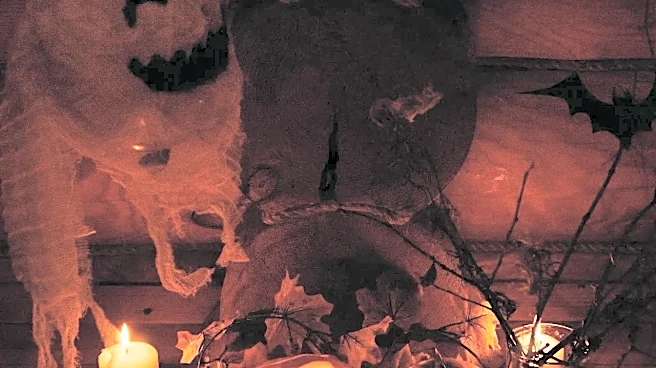
The movies are the main event, but the atmosphere is the critical supporting character. Simply putting on a film in a brightly lit room with the sound down low kills the tension before it even has a chance to build. Take 15 minutes to create an immersive environment. Dim the lights, maybe use some Halloween-themed string lights or candles to create some spooky shadows. Make sure your sound system is dialed in to make those creaking doors and whispers feel like they’re in the room with you. Curate your snacks and drinks to fit the theme. These small touches signal to your guests that this isn't just another movie night—it's an event. It primes everyone to be engaged and ready to be scared.