


Breaking the Red Carpet Rules
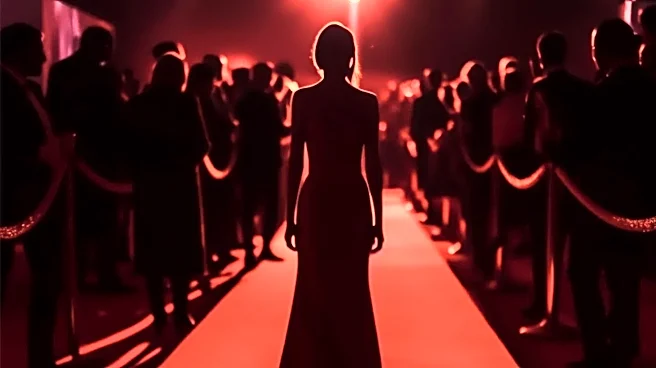
For decades, awards season has been a high-stakes game of fashion one-upmanship. The unspoken pressure on celebrities, especially women, has been to deliver a parade of brand-new, custom, or straight-off-the-runway looks for every event. To be photographed
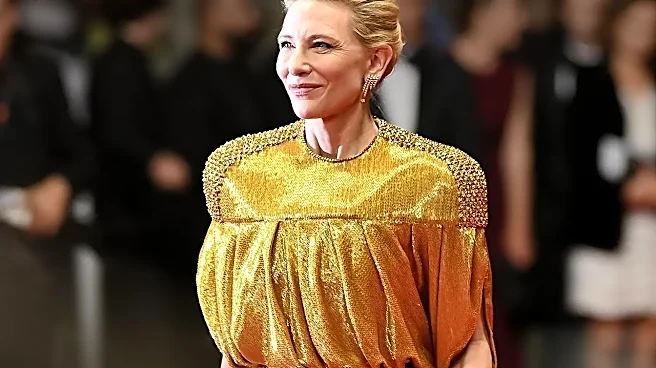
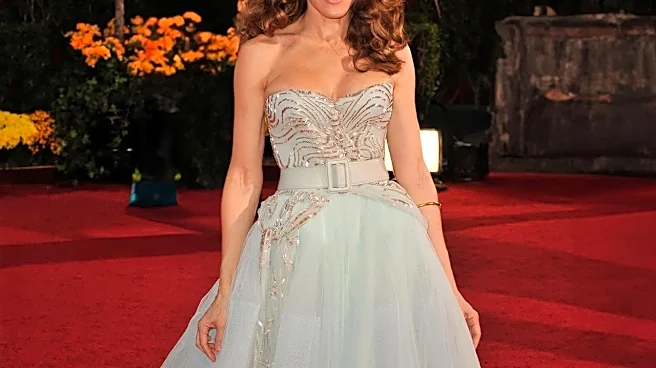
in an outfit more than once was often framed as a fashion faux pas, a sign of being out of touch or, worse, out of options. But that long-standing norm is beginning to crumble. At recent events, including the 78th Primetime Emmy Awards, the conversation has shifted. A growing number of stars are making a conscious choice to re-wear, borrow from archives, or champion vintage pieces, and what was once a tabloid 'gotcha' moment is now a celebrated, forward-thinking statement. This isn't just a fleeting trend; it’s a fundamental rethinking of what red carpet glamour means in 2026.
A Statement on Sustainability
The most powerful driver behind this shift is the growing conversation around sustainability in fashion. As audiences become more aware of the environmental impact of fast fashion and single-use clothing, celebrities are using their platforms to model more conscious consumption. Choosing a vintage gown or re-wearing a beloved suit is no longer just a style choice—it's a public endorsement of circularity and mindful ownership. This year has seen a noticeable increase in stars opting for eco-friendly materials, upcycled garments, and archival fashion. When a major star walks the Emmys red carpet in a dress they've worn before, they send a clear message: the most sustainable outfit is the one you already own. This act normalizes re-wearing for millions of viewers, challenging the industry's relentless cycle of newness and encouraging fans to find value and style in longevity.
The Rise of Personal and Archival Style
Beyond sustainability, the re-wearing trend speaks to a desire for more personal and story-driven fashion. Instead of being a passive mannequin for a new design, a star who re-wears an outfit is often making a deeply personal choice. Maybe the outfit is tied to a significant career milestone, a personal memory, or it's simply a piece they genuinely love and feel great in. This is mirrored in the explosion of vintage and archival dressing. Pulling a classic Jean Paul Gaultier or a Tom Ford-era Gucci look is a nod to fashion history and a way to showcase a unique point of view that a brand-new dress might lack. It separates a star from the pack, proving their style is more than just access to the latest collection. It’s about curation, personality, and an appreciation for craftsmanship that stands the test of time.
From 'Who Wore It Better?' to 'Why They Wore It'
The media and audience reception have been critical to this evolution. What used to be fodder for snarky 'Who Wore It Better?' columns or criticism for being uninspired is now praised as innovative and responsible. The narrative has shifted from scrutinizing the 'what' to exploring the 'why.' Is it a vintage piece with a unique history? A sustainable choice from an ethical designer? A loving homage to a past fashion moment? This change in perspective empowers both celebrities and audiences. For stars, it removes the immense pressure to constantly acquire new, expensive garments for every public appearance. For audiences, it provides a more relatable and achievable vision of formalwear. It suggests that style isn't about disposable trends, but about cultivating a personal collection of beautiful things that you can return to again and again.