

The Magic of Imperfection
Studio recordings are exercises in control and perfection. Every note can be tuned, every beat quantized, and every layer polished until it gleams. But that perfection often comes at a cost: humanity. Live music, by contrast, is gloriously imperfect.
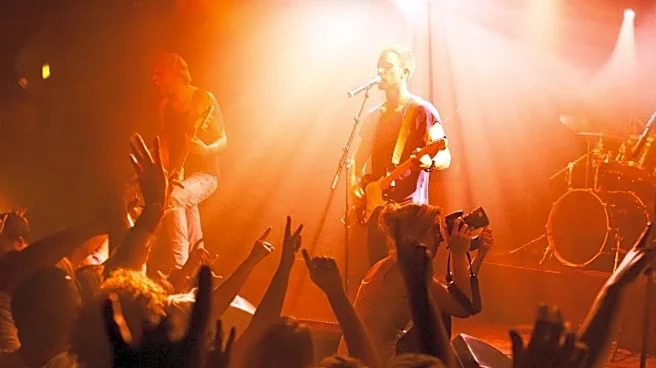
It’s a tightrope walk without a net. You hear the strain in a singer’s voice as they reach for a high note, the slight feedback from a guitar, or the spontaneous energy of a drum fill. These aren't flaws; they are proof of life. This rawness makes the music feel immediate and real in a way a pristine studio version often can't. Artists might change the tempo, extend a solo, or rearrange a song on the fly, reacting to the energy in the room. That three-minute pop song can become a seven-minute epic, and in that transformation, you find a new respect for the musicianship and the song itself.
The Power of the Crowd
Listening to a song on headphones is a private experience. Listening to it in a venue with thousands of other people is a communal one. This shared experience is a powerful psychological force. When you're surrounded by fans who love the music, their energy is contagious. Singing along to a chorus with a massive crowd creates a profound sense of belonging and unity. Studies have shown that these collective experiences can lead to significant increases in feelings of happiness and social connection. The song is no longer just a piece of audio; it becomes the soundtrack to a shared moment, a memory you create with strangers. Your brain activity even starts to synchronize with those around you, amplifying the emotional impact. This phenomenon, sometimes called "collective effervescence," turns a listening experience into a deeply felt event.
It’s a Full-Body Experience
At home, you hear music. At a concert, you feel it. The sheer physical force of live sound is something no home stereo can replicate. The bass doesn't just enter your ears; it vibrates in your chest. The kick drum hits you with a physical punch. This sensory overload is a huge part of the experience. Neuroscience research suggests that live music activates the emotional centers of our brains more strongly and consistently than recorded music. This isn't just about volume; it's about the complex acoustics of a real space and the dynamic interaction between the performer and the audience. A live performance engages more than just your hearing; it's a full-body, multi-sensory event that can make a familiar song feel entirely new.
The Artist Becomes Real
On a record, an artist is an abstract concept. Live, they are a person, sweating and working right in front of you. Seeing the charisma of a frontman like James Brown, the intense focus of a guitarist like Jack White, or the commanding stage presence of an icon like Beyoncé connects you to the music on a personal level. You witness their passion, their skill, and their personality. This human connection makes the music more meaningful. You’re not just consuming a product; you’re participating in an exchange of energy with the creator. This is why bands like the Grateful Dead or Iron Maiden built legendary careers on the back of their live shows—the performance was the definitive version of their work, creating a bond with fans that studio albums alone never could.