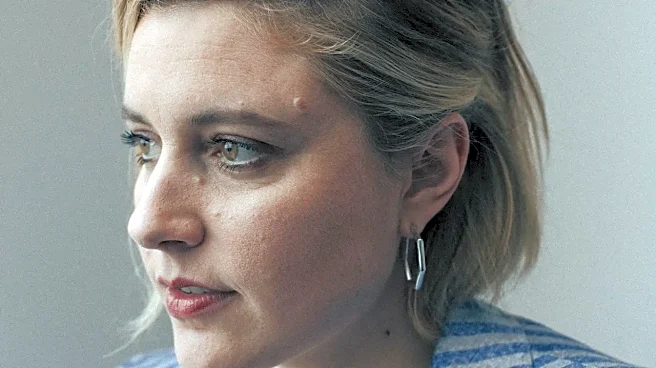


Forget the fur coats and the snowy lamppost. For her much-anticipated Narnia saga, Greta Gerwig is taking a bold detour, skipping the story we all know and starting at the very beginning—with the creation of Narnia itself.
The Wardrobe Not Taken
When you think of Narnia, you picture
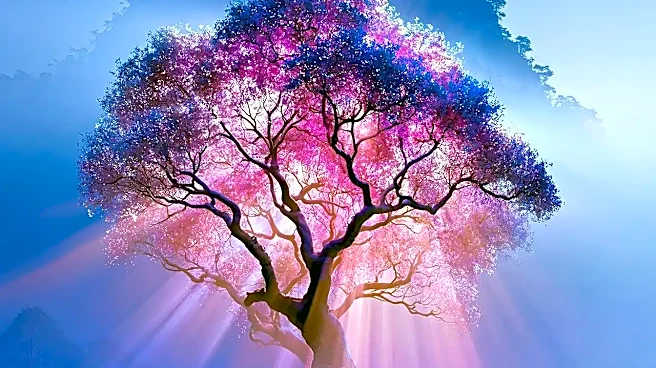
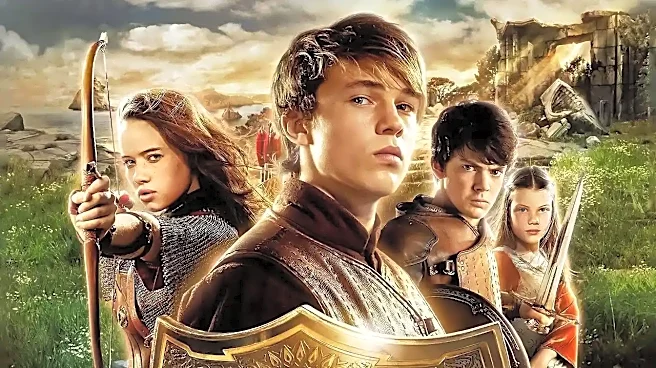
the Pevensie children stumbling through a wardrobe into a land of eternal winter. But Greta Gerwig’s upcoming film series for Netflix is deliberately sidestepping 'The Lion, the Witch and the Wardrobe'. Instead, her first film will be 'Narnia: The Magician’s Nephew'. While it was the sixth book C.S. Lewis published in the series, chronologically it’s the very first story. It’s a full-blown prequel that details the messy, magical birth of the world of Narnia, the origin of its greatest villain, Jadis (the future White Witch), and how a simple London wardrobe became a gateway to another dimension. It’s a move no previous major adaptation has attempted, immediately setting Gerwig's version apart by choosing to tell the story from page one of its history, not page one of its most famous book.
A Foundation, Not a Prequel
So, why start with what many consider a supplemental story? The decision transforms 'The Magician's Nephew' from a prequel into a foundation. By showing audiences the creation of Narnia—sung into existence by the great lion Aslan—Gerwig establishes the world’s deepest mythology from the outset. It’s a chance to build the rules, the stakes, and the spiritual tone of the entire universe before the main action even begins. This provides crucial backstory for key elements that are otherwise mysterious in 'The Lion, the Witch and the Wardrobe,' like the presence of the lamppost in the middle of a forest and the near-limitless evil of the White Witch. It’s a world-building strategy that prioritizes depth and context over the immediate gratification of the familiar children's adventure, signaling a more comprehensive and epic take on the seven-book saga.
A Very Gerwig Narnia
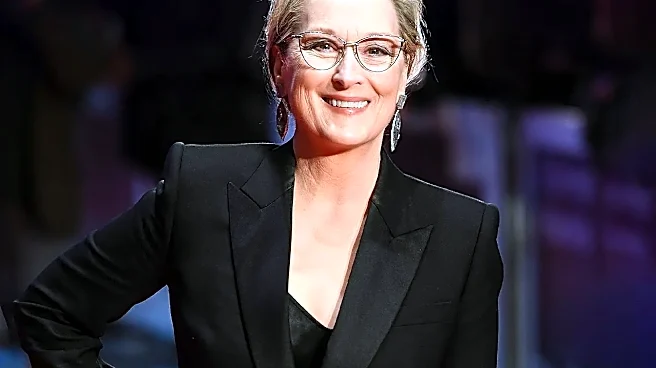
This choice is pure Greta Gerwig. The director, known for her sharp, character-rich reinterpretations of classics like 'Little Women' and her deconstruction of cultural icons like 'Barbie', isn't just adapting a story; she's building a new vision. The production is reportedly infusing the story with a 'glam-rock' aesthetic and shifting the book's 1900 setting to post-war 1950s Britain—the very era the book was published. This move grounds the fantasy in the rubble and rock 'n' roll yearning of post-WWII youth, drawing inspiration from the childhoods of figures like David Bowie. Even Aslan, voiced by Meryl Streep, is said to have a Bowie-inspired look. It suggests Gerwig is less interested in a straight, reverent adaptation and more focused on interrogating the source material to find a fresh, emotionally resonant angle for a new generation.
Netflix's Big Theatrical Gamble
This isn't just a creative swing; it's a major business play for Netflix. The company is backing 'Narnia: The Magician's Nephew' with its first-ever wide, traditional theatrical release, treating it as a global cinematic event. The film is slated for a worldwide debut in theaters, including IMAX, on February 12, 2027, before it lands on the streaming platform nearly two months later on April 2. This strategy signals Netflix’s immense confidence in Gerwig's vision and its ambition to launch a fantasy franchise on the scale of 'Harry Potter' or 'The Lord of the Rings'. By starting with an un-adapted book, they offer audiences something entirely new while rebooting a beloved property. It's a high-stakes bet that a definitive, chronological telling is the key to finally bringing all seven of Lewis’s books to the screen successfully.