




Voice That Adds, Not Repeats
One of Wilder’s signature moves was his mastery of the voice-over. In a lesser director's hands, narration can be a clumsy crutch, telling the audience what they can already see. Wilder, however, had a rule: voice-overs should add a new layer to the story,
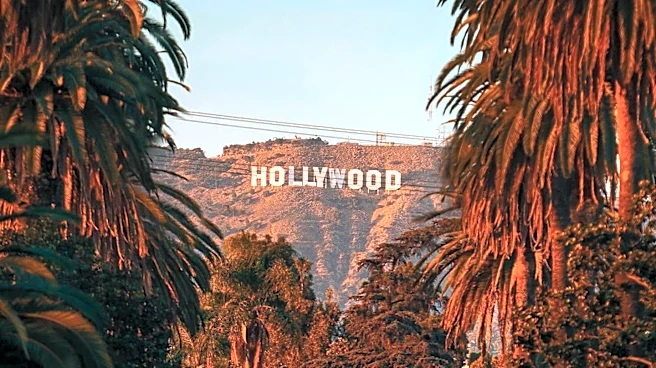
not merely describe the action. The most audacious example is Sunset Boulevard (1950), a film famously narrated by a dead man floating in a swimming pool. This isn't just a gimmick; it establishes the film’s cynical, doomed tone from the first frame. The narration from beyond the grave gives the story an inescapable sense of fate and irony, framing the entire flashback as a post-mortem on Hollywood's corrosive glamour. It’s a technique that subverts expectations and turns the narrator into a character in their own right.
Shadows With a Story to Tell
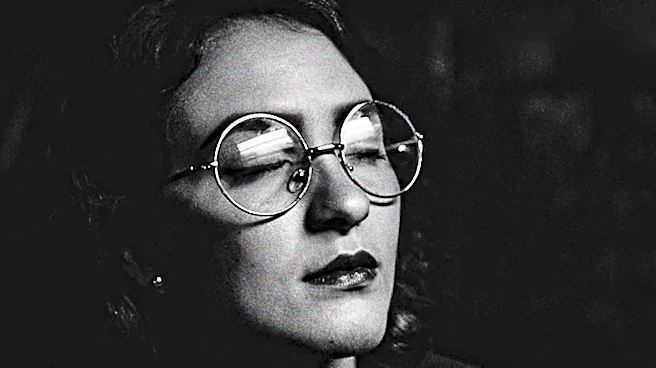
Coming of age as a writer and director in the era of German Expressionism, Wilder understood the power of light and shadow to convey psychology. He became a master of film noir, a genre defined by its moody, high-contrast visuals. In Double Indemnity (1944), the iconic scene where Phyllis Dietrichson is framed through Venetian blinds doesn't just look cool; the stripes of shadow across her face visualize her as a caged, predatory figure. The darkness isn’t just an absence of light; it’s an active presence in the room, symbolizing the moral decay and hidden motives of the characters. This use of chiaroscuro wasn't just for atmosphere; it was a narrative tool that revealed a character’s internal state without a word of dialogue.
Objects That Speak Louder Than Words
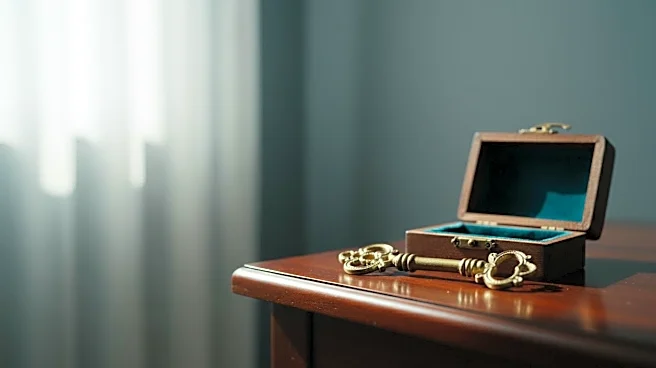
Wilder learned from his mentor, Ernst Lubitsch, how to let props and objects do the talking. He had an obsession with using physical items to advance the plot or reveal character, a technique sometimes called the "Lubitsch Touch." Consider The Apartment (1960). The protagonist, C.C. Baxter, has a key to his apartment that he lends out to his bosses for their extramarital affairs. That key isn't just a key; it’s a symbol of his ambition, his loneliness, and his moral compromise. Later, a cracked hand mirror becomes a powerful metaphor for his shattered self-respect and the broken state of the woman he loves. In Wilder's hands, a simple prop could hold the entire theme of a film.
The Legacy of Cynicism and Heart
Wilder's blend of sharp cynicism and surprising romanticism created a template for countless modern filmmakers. His characters are often deeply flawed—con artists, struggling writers, or morally flexible employees—who are forced to confront their own cowardice. This focus on deception and eventual, hard-won integrity can be seen in the work of directors like the Coen Brothers, whose films often feature darkly comedic plots and morally compromised protagonists navigating a corrupt world. Cameron Crowe, who interviewed Wilder extensively, has also channeled his hero's ability to mix wit with genuine emotion in films like Jerry Maguire. Wilder’s true genius was making films that were both critical and compassionate, a combination that never goes out of style.